

Blood tells a story that no symptom alone can fully reveal. It reflects our nutritional status, immune function, metabolic health, organ performance, and even early signs of cancer. Listening to that story through regular screening and timely medical consultation has the potential to save lives. As healthcare increasingly shifts from treating disease to preventing it, we must recognise that every blood cell matters. Investing in blood health means investing in healthier families, stronger communities, and a more resilient healthcare system.
Syed Yunis Bukhari
Blood is often described as the river of life, silently coursing through our bodies every second, delivering oxygen, nutrients, hormones, and immune cells essential for survival. Yet, despite its central role in maintaining health, blood is frequently taken for granted until something goes wrong. A routine blood test may appear ordinary, but behind every result lies a wealth of information capable of revealing hidden illnesses long before symptoms become apparent. In an era where preventive healthcare is gaining momentum, blood health deserves far greater public attention than it currently receives.
Clinical haematology, the branch of medicine dedicated to the study of blood and blood disorders, plays a crucial role in diagnosing, monitoring, and managing a wide spectrum of diseases. From common conditions such as iron deficiency anaemia to life-threatening illnesses, including leukaemia, lymphoma, haemophilia, and sickle cell disease, haematology forms the foundation of modern diagnostic medicine. Every red blood cell, white blood cell, and platelet has a specific purpose, and even subtle changes in their numbers or appearance can provide valuable clues about an individual’s health.
One of the most prevalent yet overlooked blood disorders worldwide is anaemia. According to the World Health Organization (WHO), anaemia affects nearly one in three people globally, with women, children, and older adults being particularly vulnerable. Often dismissed as simple fatigue, anaemia can significantly impair physical performance, cognitive development, pregnancy outcomes, and overall quality of life. In many cases, early diagnosis through a complete blood count (CBC) followed by appropriate nutritional intervention can prevent long-term complications.
Equally important are white blood cells, the body’s natural defence against infections. Their count and morphology can indicate bacterial or viral infections, autoimmune disorders, inflammatory diseases, and even blood cancers. Platelets, another vital component of blood, are responsible for clot formation and preventing excessive bleeding. Abnormal platelet counts may signal bleeding disorders, chronic infections, liver disease, bone marrow disorders, or an increased risk of thrombosis. These seemingly small cellular changes often serve as the earliest warning signs of underlying medical conditions.
Blood health extends far beyond blood disorders alone. Diabetes, kidney disease, thyroid dysfunction, liver diseases, nutritional deficiencies, chronic infections, and several cancers can all produce detectable changes in routine blood investigations. In many instances, laboratory findings precede clinical symptoms, allowing healthcare professionals to initiate timely interventions. This underscores an important message: routine blood tests are not merely diagnostic tools they are powerful instruments of preventive medicine.
The significance of blood health is becoming even greater as non-communicable diseases continue to rise worldwide. Sedentary lifestyles, unhealthy dietary habits, obesity, chronic stress, smoking, and environmental pollution contribute not only to cardiovascular disease and diabetes but also to abnormalities in blood composition and function. Nutritional deficiencies, particularly deficiencies of iron, vitamin B12, and folate, remain common despite advances in healthcare. Unfortunately, many individuals seek medical attention only after symptoms become severe, when earlier detection could have prevented disease progression.
Modern clinical hematology has undergone remarkable transformation over the past two decades. Automated hematologyanalyzers now generate highly accurate blood counts within minutes, while advanced technologies such as flow cytometry, molecular diagnostics, cytogenetics, and next-generation sequencing have revolutionized the diagnosis of complex blood disorders. More recently, artificial intelligence is beginning to reshape hematology by assisting in automated blood smear interpretation, identifying abnormal cells, improving diagnostic accuracy, and supporting clinical decision-making. These technological advancements are enabling earlier diagnosis, personalized treatment, and improved patient outcomes.
However, sophisticated technology alone cannot improve public health without awareness. Many people remain unaware of the importance of routine blood screening or the significance of abnormal laboratory findings. Preventive health check-ups are often neglected due to misconceptions, fear, financial constraints, or simply because individuals feel healthy. Yet diseases rarely announce themselves in their early stages. Regular health assessments, including complete blood counts and other essential laboratory investigations, can detect silent abnormalities before they evolve into serious medical conditions.
The role of medical laboratory professionals deserves equal recognition in this context. While physicians make clinical decisions, laboratory scientists and technologists generate the accurate diagnostic information upon which those decisions depend. Every blood sample undergoes meticulous collection, processing, quality control, analysis, and interpretation before reaching the treating clinician. Behind every reliable laboratory report is the dedication, expertise, and precision of highly trained professionals who often remain invisible to the public despite being indispensable members of the healthcare team.
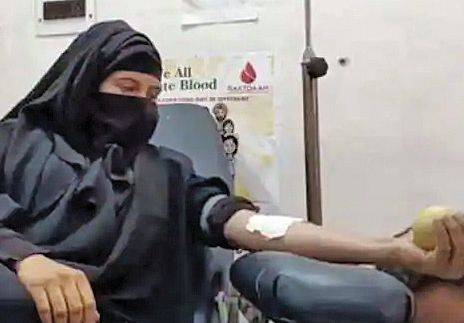
Promoting blood health also requires community participation. Voluntary blood donation remains one of the noblest acts of public service, saving countless lives every day. At the same time, awareness campaigns focusing on anemia prevention, nutrition, genetic counseling for inherited blood disorders such as thalassemia and sickle cell disease, and regular health screening can substantially reduce disease burden. Educational institutions, healthcare organizations, and public health agencies must work collaboratively to encourage healthier lifestyles and improve understanding of blood-related diseases.
Ultimately, blood tells a story that no symptom alone can fully reveal. It reflects our nutritional status, immune function, metabolic health, organ performance, and even early signs of cancer. Listening to that story through regular screening and timely medical consultation has the potential to save lives.
As healthcare increasingly shifts from treating disease to preventing it, we must recognize that every blood cell matters. Investing in blood health means investing in healthier families, stronger communities, and a more resilient healthcare system. Because when every cell counts, every life counts too.
The writer is an Assistant Professor in the Department of Medical Laboratory Science, University Institute of Allied Health Sciences (UIAHS), Chandigarh University. He writes on laboratory medicine, public health, and medical education.
yu**********@****il.in