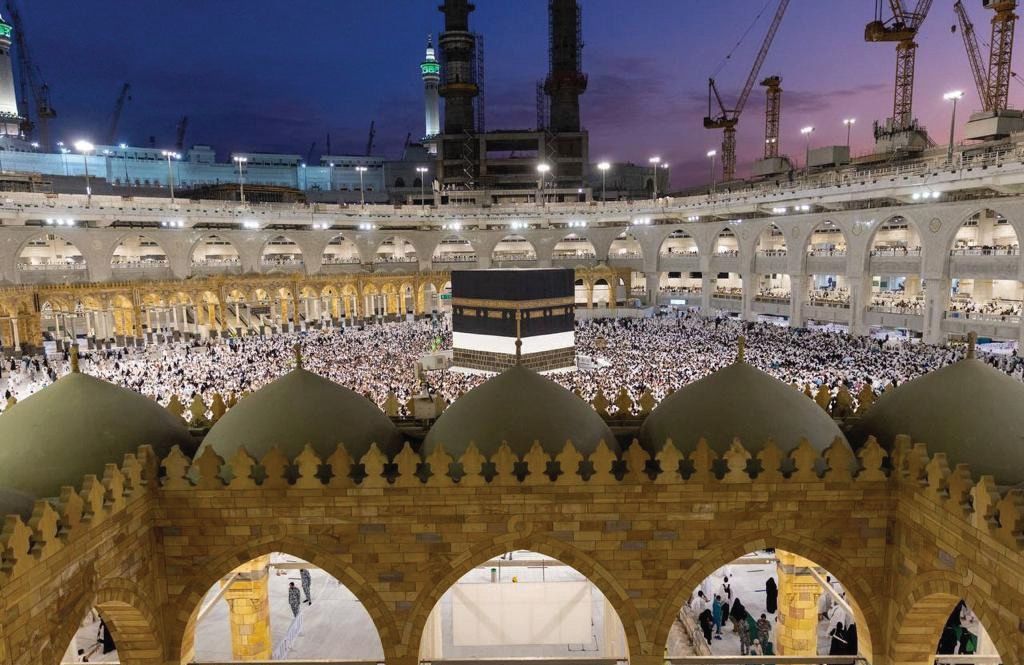


Cleanliness is half of faith but Islamic environmental ethics are being ignored during the festival. Respecting nature is respecting the blessings of Allah, and safeguarding public spaces is part of true Islamic character.
John Mohamad Mir
During Eid-ul-Adha, Muslims across the world perform the sacred act of Qurbani, commemorating the obedience and sacrifice of Prophet Ibrahim (AS). It is a festival deeply rooted in faith, compassion, sharing and gratitude towards Allah. The meat of the sacrificed animal is distributed among family, relatives and the poor, strengthening social bonds and ensuring that even the underprivileged can partake in the joy of Eid. However, alongside this noble religious practice, an unfortunate trend is often witnessed in many places, the careless disposal of animal waste, hides and remains into rivers, streams, lakes, wetlands and other water bodies.
Such actions not only pollute the environment but also contradict the very essence of Islamic teachings, which emphasise cleanliness, balance and responsibility towards all creations of Allah. Doing one good deed at the cost of another harm is not among the teachings of Islam. Qurbani is an act of devotion, but it should never become a cause of environmental degradation, public inconvenience or health hazards.
Islam places extraordinary importance on cleanliness and environmental ethics. The Holy Prophet Muhammad (SAW) repeatedly emphasised purity, hygiene and care for public spaces. He taught that cleanliness is half of faith and warned against contaminating roads, water sources and places used by people. Water, in Islamic teachings, is considered a blessing and a trust from Allah. Polluting water bodies with animal remains, blood or hides not only damages aquatic ecosystems but also creates foul smell, spreads diseases and disturbs the peace and well-being of communities.
In regions blessed with beautiful wetlands, lakes and streams, such irresponsible practices become even more alarming. Wetlands are not dumping sites; they are living ecosystems that support birds, fish, vegetation and countless forms of life. Throwing sacrificial waste into these water bodies reduces water quality, affects biodiversity and damages habitats that are already under ecological pressure. During the summer, decomposition of such waste further contaminates water and creates serious sanitation concerns.
The spirit of Eid-ul-Adha is sacrifice, discipline and obedience to Allah, not negligence towards society and nature. True devotion is reflected not only in performing rituals but also in maintaining civic responsibility and compassion for all living beings. Islam encourages moderation and discourages wastefulness and harm. The Quran repeatedly reminds humanity that corruption and destruction on earth are the result of irresponsible human actions. Therefore, protecting the environment is not separate from religion; rather, it is part of our moral and spiritual responsibility.
Communities, local administrations, religious leaders and citizens must work together to ensure eco-friendly and hygienic celebrations during Eid-ul-Adha. Proper disposal pits should be designated, municipal systems should be strengthened, and awareness campaigns should encourage people to handle sacrificial remains responsibly. Animal hides should be utilised or donated appropriately instead of being discarded into water channels. People must understand that preserving cleanliness in neighbourhoods, roads and water bodies is itself a noble act rewarded by Allah.
Religious scholars and community leaders can play an important role by spreading awareness through mosques and public gatherings. Sermons during Eid should remind people that harming public health or polluting natural resources goes against Islamic ethics. The message should be clear: worship and environmental responsibility must go hand in hand.
Eid-ul-Adha teaches us the values of sacrifice, humility and care for humanity. Let this sacred occasion also become a reminder to protect nature, preserve water bodies and maintain cleanliness around us. When faith is combined with responsibility, the beauty of Eid shines not only in rituals but also in our conduct towards society and the environment. Respecting nature is respecting the blessings of Allah, and safeguarding public spaces is part of true Islamic character.
jo*************@***il.com