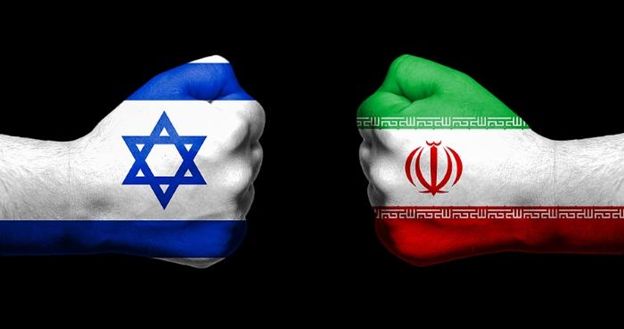


Trump pulls back on his threats as discussions over Strait of Hormuz control, Iran’s nuclear demands continue
Tehran: Iran, the United States and Israel reached a tentative, two-week ceasefire Wednesday in the war that tore across the Middle East and disrupted the global energy market, with US President Donald Trump pulling back from his threats to destroy Iranian “civilization.”
But questions emerged over what appeared to be dueling proposals to halt the fighting, with Iran insisting it would control and charge ships passing through the Strait of Hormuz as well as enrich uranium.
Trump initially said Iran proposed a “workable” 10-point plan that could help end the war he launched with Israel on Feb. 28. But he later called the plan fraudulent without elaborating. Trump has said ending Iran’s nuclear program entirely was a key point of the war.
Israel backed the US ceasefire with Iran but Prime Minister Benjamin Netanyahu said Wednesday it doesn’t cover fighting against Hezbollah in Lebanon, which continued through the morning. That contradicted comments from Pakistan, a key mediator that said talks over cementing a peace plan would begin as soon as Friday in Islamabad. Pakistan also said the ceasefire began immediately, while Iran launched attacks on Gulf Arab states and Israel soon after.
UN Secretary-General Antonio Guterres called on all parties “to abide by the terms of the ceasefire in order to pave the way towards a lasting and comprehensive peace in the region,” his spokesman said.
Iran and Oman to collect shipping fees in Strait of Hormuz
Iranian Foreign Minister Abbas Araghchi said passage through the strait would be allowed under Iranian military management. It wasn’t clear whether that meant Iran would completely loosen its chokehold on the waterway.
The plan allows for both Iran and Oman to charge fees on ships transiting through the strait, according to a regional official who spoke on condition of anonymity to discuss negotiations they were directly involved in. The official said Iran would use the money it raised for reconstruction.
Though Iran and Oman will oversee the narrow chokepoint, Trump said US forces will be “just hangin’ around’ in order to make sure that everything goes well.”
In addition to control of the strait, Iran’s demands for ending the war include withdrawal of US combat forces from the region, the lifting of sanctions and the release of its frozen assets.
Since the war began, Trump has repeatedly backed off deadlines just before they expire.
In doing so again Tuesday, Trump said in a social media post he had come to the decision “based on conversations” with Pakistan Prime Minister Shehbaz Sharif and Gen. Asim Munir, Pakistan’s powerful army chief. Sharif, in a post on X hours earlier, urged Trump to extend his deadline to allow diplomacy to advance and asked Iran to open the strait for two weeks.
There are concerns in Israel about the agreement, according to a person familiar with the situation who spoke on condition of anonymity because they were not allowed to speak to the media. The person said Israel would like to achieve more.
In the streets of Tehran, pro-government demonstrators screamed: “Death to America, death to Israel, death to compromisers!” after the ceasefire announcement and burned American and Israeli flags. It shows the ongoing anger from hard-liners, who had been preparing for what many assumed would be an apocalyptical battle with the United States.
AP