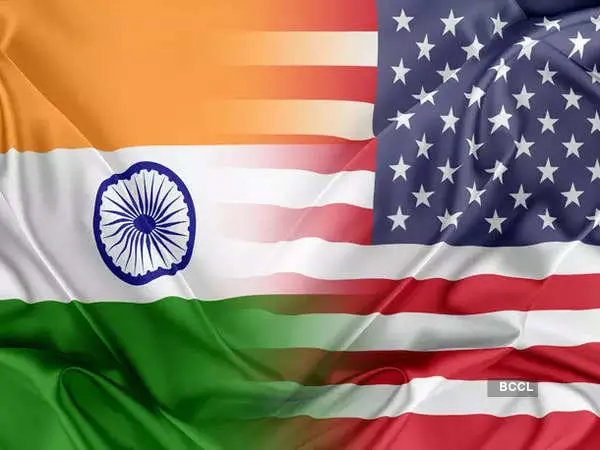


Simple facts about tariffs, how they impact prices and trade, and what recent tensions mean for economies and everyday people
In recent days, we heard a lot about “tariffs” and a growing trade dispute between India and the United States. Let’s break it down in simple terms.
What are tariffs?
A tariff is a tax that a government puts on goods coming in from another country.
Example: If a T-shirt made in India costs Rs 500 to produce, and the US puts a 25% tariff on it, American importers have to pay an extra Rs 125 as tax. This makes the T-shirt more expensive in the US, and people there might buy fewer Indian T-shirts.
How tariffs work
[Indian Exporter] → sells goods for Rs 500
↓ (25% tariff in the US)
[US Importer] → pays Rs 625 total ↓
[American Consumer] → faces higher prices
In this way, tariffs make foreign goods costlier and can reduce sales.
Why do countries use tariffs?
Protect local industries – to help domestic producers compete.
Collect revenue – to earn money for the government.
Apply political pressure – to push another country to change its policies.
What has happened between India and America?
Until recently, India and the US enjoyed fairly smooth trade relations. But in August 2025, the US imposed heavy new tariffs:
August 1: 25% tariff on many Indian goods.
August 6: An additional 25% “penalty” tariff, making it 50% in total on several key products.
This affects Indian exports like textiles, footwear, shrimp, gems and jewellery—all of which are now far more expensive in the US market. Many exporters are reporting cancelled orders and reduced production.
Why is America doing this?
The US government says these tariffs are a punishment for India’s continued purchase of Russian oil despite Western sanctions linked to the Ukraine conflict. They argue it’s a “national security” matter.
However, many trade experts believe the real motive is economic pressure—to push India into making trade concessions that benefit American industries.
India’s response – PM Modi’s firm stand
Prime Minister Narendra Modi has responded with determination. He has made it clear that India will not bow to American hegemony and that he will “never compromise” on the interests of Indian farmers, fishermen, and small producers—even if it means taking political risks.
India is now working to find new export markets in Asia, Africa, and the Middle East, so that our economy is not overly dependent on the US
What does this mean for ordinary people?
For exporters: Loss of US orders could hit profits and production.
For workers: Reduced production might threaten jobs, especially in textile and seafood hubs.
For consumers: If India retaliates with its own tariffs, some US goods in India could become costlier.
Final word
Tariff wars are like a tug-of-war—both countries pull hard, but both can end up hurting. While governments may stand firm to protect their national interests, it is often the ordinary worker, trader, and farmer who feels the real impact.
The coming weeks will show whether this standoff becomes a prolonged trade war or gives way to a negotiated settlement.
The writer, an alumnus of the Department of Economics, Kashmir University, works at the School Education Department
Malik Yaseen
ma**********@***il.com