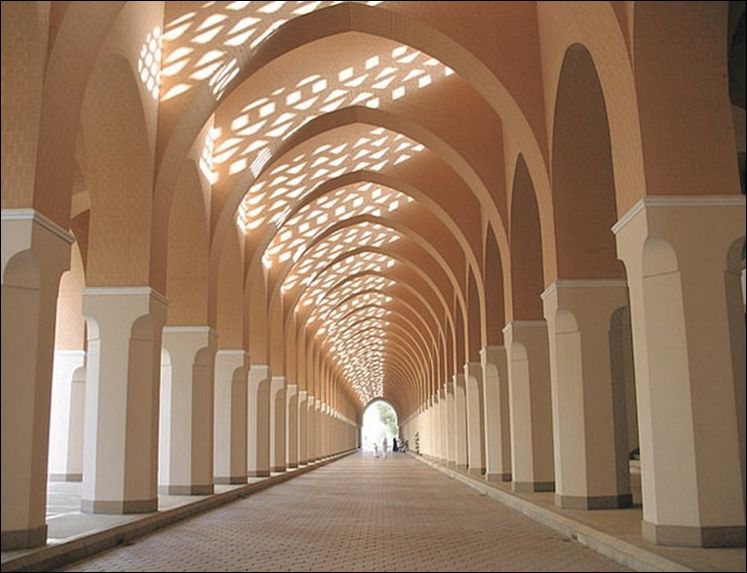


Rooted in Allah’s boundless mercy, forgiveness in Islam encourages believers to emulate divine compassion and cultivate spiritual growth through sincere repentance and forgiving others
Forgiveness holds profound significance in Islam, encompassing both the divine attribute of Allah’s boundless mercy and the human responsibility to extend forgiveness to others. It is a cornerstone of Islamic ethics, promoting inner peace, spiritual growth, and harmonious relationships.
Forgiveness is a central attribute of Allah (God) in Islam. He is often referred to as “Al-Ghaffar” (The All-Forgiving) and “Al-Ghafur” (The Oft-Forgiving), signifying His continuous readiness to forgive sins. He is also “At-Tawwab” (The Acceptor of Repentance). The Quran emphasises that Allah’s mercy is far greater than human sins. No sin is too great for Allah to forgive, as long as one repents sincerely. This offers immense hope and encourages believers not to despair, regardless of the magnitude of their wrongdoings.
Quran (39:53): “Say, ‘O My servants who have transgressed against themselves [by sinning], do not despair of the mercy of Allah. Indeed, Allah forgives all sins. Indeed, it is He who is the Forgiving, the Merciful.'” Allah loves to forgive and accepts the repentance of His servants. This encourages a continuous process of self-reflection, seeking forgiveness, and striving to rectify mistakes.
Muslims are encouraged to emulate Allah’s attributes of mercy and forgiveness in their interactions with others. Just as Allah forgives, believers should strive to forgive those who have wronged them. Holding grudges and seeking revenge leads to emotional distress, bitterness, and spiritual stagnation. Forgiving others frees the heart from these burdens, promoting inner peace, emotional well-being, and a “sound heart” (Qalbun Saleem).
A key principle in Islam is that Allah forgives those who forgive others. The act of pardoning someone else’s wrong becomes a means of earning divine forgiveness for one’s own sins.
Quran (24:22): “And let them pardon and overlook. Would you not like that Allah should forgive you? And Allah is Forgiving and Merciful.” The Prophet Muhammad (peace be upon him) said, “Be merciful to others and you will receive mercy. Forgive others and Allah will forgive you.” (Musnad Ahmad)
Forgiveness is crucial for building and maintaining healthy relationships within families, communities, and society at large. It fosters reconciliation, empathy, and mutual understanding, preventing conflicts from escalating and promoting cohesion.
The Prophet Muhammad (peace be upon Him) was a living embodiment of forgiveness. His life is filled with numerous examples of him forgiving even those who severely harmed him, demonstrating immense patience and kindness. His actions serve as a powerful model for Muslims.
Forgiveness is considered a high moral virtue in Islam. It requires self-control, patience, and a noble character. The Quran describes believers as “those who avoid major sins and acts of indecency and when they are angry they forgive.” (Quran 42:37)
While Islam upholds justice, it also elevates forgiveness as a superior act in many circumstances. The Quran states: “The retribution for an evil act is an evil one like it, but whoever pardons and makes reconciliation – his reward is [due] from Allah.” (Quran 42:40)
Forgiving others and seeking Allah’s forgiveness are believed to bring immense rewards in the afterlife, including elevated status and entry into Paradise (Jannah). Forgiveness purifies the heart and soul from negative emotions like resentment, bitterness, and anger, which are considered spiritual ailments that can hinder one’s journey towards Allah.
In essence, forgiveness in Islam is a reciprocal relationship: Muslims seek Allah’s forgiveness for their shortcomings, and in turn, they are encouraged to extend that same mercy and forgiveness to others. It is a transformative power that not only mends broken relationships but also purifies the individual, fosters spiritual growth, and ultimately brings one closer to the divine.
The writer is a teacher at the Higher Secondary School, Pattan
Kousar Ahmed Rather
ko************@***il.com