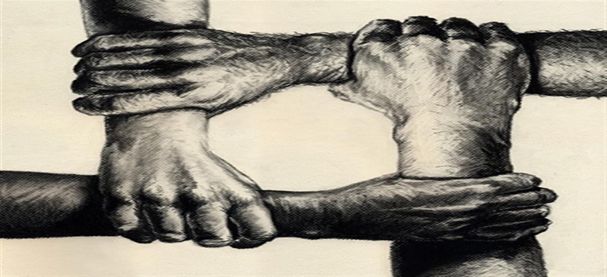


Unity and knowledge once made us great. Their absence keeps us weak.
All around us, we are witnessing an undeniable and painful reality — the Muslim world, despite its proud legacy and claims of being a great nation (Ummah), is today suffering on a large scale. Whether we look at the tragic desolation of Palestine, where innocent children are slaughtered without mercy, or at other Muslim-majority regions plagued by war, poverty, and instability, a sense of helplessness and grief overwhelms us. The situation is not limited to the present moment; for centuries, Muslims have found themselves at the receiving end of oppression, division, and defeat.
This decline did not happen without reason. There are many factors, but two stand out as primary causes for our continued downfall and humiliation in the global arena: our lack of unity and our indifference toward science and technology.
Firstly, our internal divisions have widened dangerously over time. Instead of finding strength in our diversity, we have allowed sectarianism, nationalism, and political differences to tear us apart. The Quran describes the believers as brothers to one another, and history teaches us that unity has always been our greatest strength. Yet today, we often act more like rivals than members of one global family. Petty disputes, jealousy, and mistrust continue to sabotage any sense of collective identity. Until we learn to rise above these conflicts and stand together as one Ummah, we will remain vulnerable to external domination and internal collapse.
Secondly, and perhaps even more dangerously, we have developed a collective apathy towards science, education, and technological advancement. At a time when the rest of the world races ahead with innovation, research, and scientific exploration, large sections of the Muslim world remain stagnant, dependent, and intellectually backwards. Our ancestors were once the torchbearers of knowledge — from algebra and astronomy to medicine and architecture — but we have failed to carry that legacy forward.
We must understand a fundamental truth: we cannot achieve global respect, prosperity, or influence unless we excel in modern knowledge and innovation. Hollow slogans, emotional speeches, and nostalgia for a golden past will not bring us success. We have to work for it, earn it, and most importantly, deserve it.
If Muslims across the globe truly believe in being one united Ummah, then our actions must reflect that belief. Unity is not just about words or occasional gatherings; it is about mutual respect, cooperation, and shared progress. Similarly, if we genuinely want change, we must make serious investments in education, science, and technology. The world today respects knowledge and power, not rhetoric.
Great thinkers, scholars, and reformers have repeatedly called upon us to awaken and embrace science and unity. Sadly, we have not lived up to their expectations. If we continue to dream of revival while ignoring these two pillars, then we must accept that our dream will never come true.
The time has come to reflect, reform, and rise, together.
Hilal Bukhari
bu*****************@***il.com