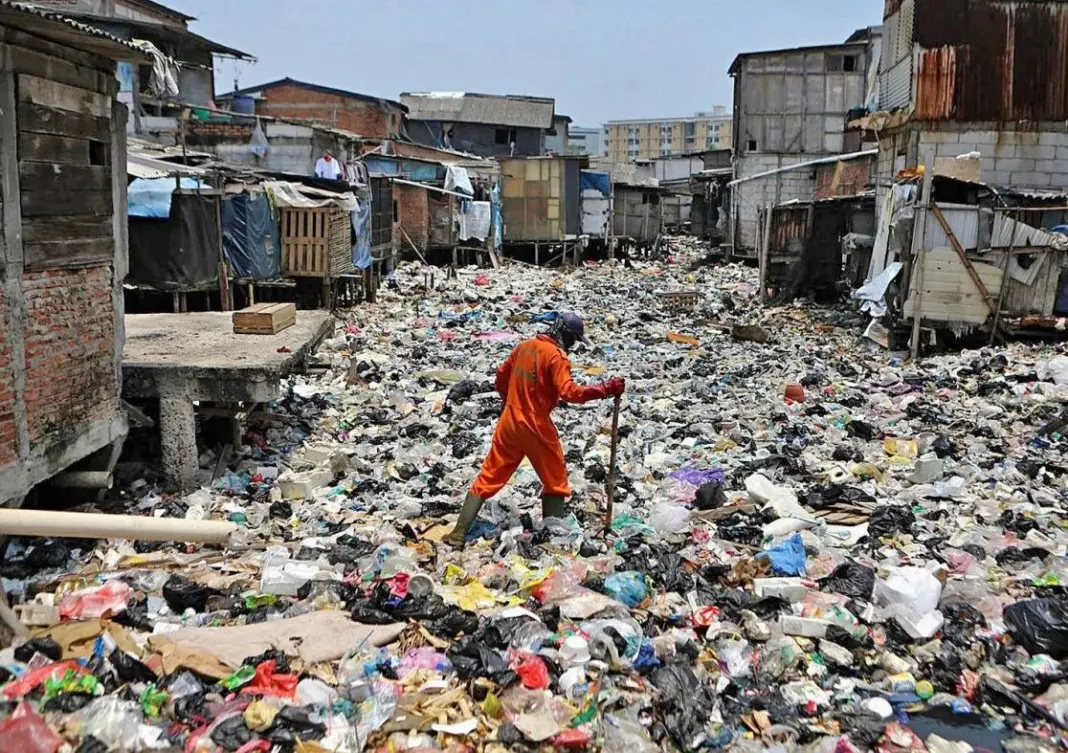


Annual production could fill 23 million trucks bumper-to-bumper circling Earth 1.5 times – with just 9% recycled
Plastic pollution is a pressing global environmental crisis with significant impacts on ecosystems, human health, and economies. Both globally and in India, the scale of the problem is immense, driven by high production, inadequate waste management, and low recycling rates.
Global Status of Plastic Pollution:
Massive Production and Consumption: Over 460 million metric tons of plastic are produced every year, with a significant portion (around 40%) dedicated to single-use products. This figure is projected to reach 460 million tonnes annually by 2025 if current trends continue.
Low Recycling Rates: Globally, only about 9% of plastic waste is successfully recycled. The vast majority (91%) end up in landfills, are incinerated, or leak into the environment.
Environmental Contamination: An estimated 20 million metric tons of plastic litter enter the environment annually, affecting all land, freshwater, and marine ecosystems. This contributes significantly to biodiversity loss and ecosystem degradation.
Oceanic Impact: Between 75 and 199 million tons of plastic waste are estimated to be in our oceans, with an additional 33 billion pounds entering the marine environment every year. This poses a severe threat to marine life, with over 1 million marine animals reportedly dying annually due to plastic pollution.
Microplastic Concern: Beyond visible plastic debris (macroplastics), microplastics (synthetic polymers smaller than 5 mm) from sources like industrial pellets, synthetic textiles, and tire wear are a serious concern, found in human blood, placentas, food, and water.
Health Implications: Chemicals used in plastic production can be carcinogenic and cause developmental, reproductive, neurological, and immune disorders.
Greenhouse Gas Emissions: Plastics account for 3.4% of global greenhouse gas emissions, and this is projected to grow substantially.
Transboundary Issue: Plastic pollution is a transboundary problem, often with plastic waste from developed countries being shipped to developing nations, which often lack the infrastructure to manage it properly.
Role of Waste Pickers: Informal waste pickers play a crucial role, collecting almost 60% of all plastic waste globally, particularly in developing countries.
Status of Plastic Pollution in India: India is a major contributor to the global plastic pollution crisis, facing unique challenges due to its large population and waste management infrastructure.
High Plastic Waste Generation: India generates approximately 9.3 million tonnes of plastic waste annually. Some studies indicate India is the world’s leading plastic polluter, contributing nearly 20% of the global total, especially in terms of macroplastic waste emissions.
Dominance of Macroplastic Emissions: A significant portion of India’s plastic waste emissions comes from macroplastics, with uncollected waste accounting for 68% of all plastic waste emissions in the Global South.
Open Burning as a Major Source: A substantial amount of plastic waste in India (around 5.8 million tonnes annually) is incinerated, often through open burning, which releases harmful toxins and greenhouse gases.
Uncollected Waste: A significant portion of plastic waste in India remains uncollected and is released into the environment as debris (estimated at 3.5 million tonnes annually). This is particularly prevalent in rural areas and informal settlements not covered by official waste collection statistics.
Impact on Water Bodies: Major rivers like the Ganga and Yamuna are severely affected by rising plastic pollution, impacting aquatic ecosystems and marine life.
Challenges in Waste Management: India faces considerable challenges in managing plastic waste efficiently due to:
Inadequate Infrastructure: Many municipalities lack the necessary infrastructure for comprehensive waste collection, segregation, and processing.
Informal Recycling Sector: While a significant portion (around 60%) of plastic waste is recycled in India, it largely operates through an informal chain of rag pickers and dealers, which can be inefficient and unsafe.
Lack of Source Segregation: Proper segregation of waste at the source remains a challenge.
Poor Enforcement: Despite regulations, enforcement of plastic bans and waste management rules can be weak.
Policy and Initiatives:
India has implemented various measures to address plastic pollution, including:
Plastic Waste Management Rules (2016, with amendments in 2018, 2021, 2022, and 2024): These rules aim to regulate plastic waste, emphasising segregation, recycling, and minimising plastic use.
Extended Producer Responsibility (EPR): EPR guidelines hold producers, importers, and brand owners accountable for the end-of-life management of their plastic products.
Ban on Single-Use Plastics: India has progressively banned certain single-use plastic items to reduce their consumption.
Swachh Bharat Mission-Urban: This mission promotes innovative solutions for plastic waste management, focusing on recycling, reuse, and recovery, and encouraging citizen engagement.
Plastic pollution is a critical issue that requires urgent and concerted efforts globally and in India. While there’s growing awareness and policy development, significant challenges remain in reducing plastic production, improving waste management infrastructure, enhancing recycling rates, and fostering behavioural change towards a more circular economy for plastics.
The writer is a teacher at the Higher Secondary School, Nehalpora, Pattan