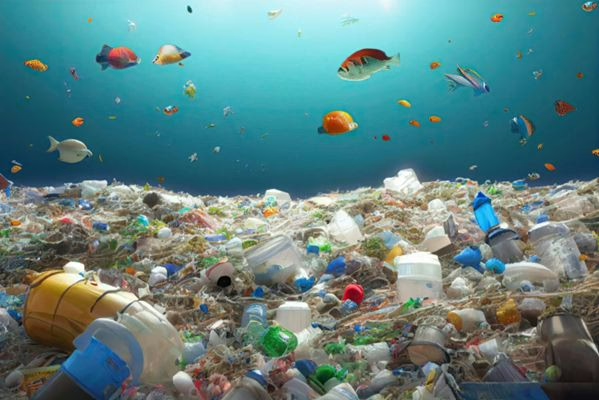


How 14 million tonnes of annual plastic waste enters our food chain through fish, salt, and even air
Each year on June 5, World Environment Day reminds humanity of its critical responsibility to protect and restore the planet. In 2025, the message rings louder than ever, as one of the most pressing environmental challenges—plastic pollution—continues to suffocate ecosystems across continents and oceans.
From bustling metropolises to remote island shores, plastic has infiltrated every corner of the Earth. It has made its way up to the secluded Pyrenees mountain range and down to the bottom of the Mariana Trench.
The Great Pacific Garbage Patch (GPGP) is one of the most well-known and alarming examples of plastic pollution in the world’s oceans. Combating this menace requires global cooperation through stricter regulations, the promotion of sustainable alternatives, responsible consumption, and improved waste‑management systems.
Single-use plastics are a growing menace to the environment, as these plastics are often used for just a few minutes before being discarded. These conveniences are so ubiquitous and so quickly thrown out that they hardly register in our minds. But these single-use plastics come with a steep environmental price that we’ll be paying off for millennia.
Items like grocery bags, food‑packaging materials, bottled‑water containers, straws, coffee stirrers, disposable cups, and cutlery all fall under single-use plastics. The use of these single-use plastics should be banned globally, as they are traditionally hard to recycle. They fall into the crevices of recycling machinery and are often not accepted by recycling centres.
Over 400 million tonnes of plastic are produced globally each year, with more than one‑third being single‑use plastics. Of this, at least 14 million tonnes end up in the oceans annually, posing a fatal threat to marine life and eventually entering the food chain in the form of microplastics. These microscopic plastic fragments—no more than 5 millimetres long—are hard to detect and are found almost everywhere.
In the ocean, these tiny plastic particles are often mistaken for food by marine animals like fish, seabirds, whales, and plankton. Ingesting microplastics can lead to internal injuries, starvation, and even death, disrupting the marine food chain and threatening biodiversity.
Plastics contain several harmful chemicals that pose significant risks to human health. One of the most well-known is Bisphenol A (BPA), commonly found in food containers and water bottles, which can disrupt hormonal balance and has been linked to reproductive and developmental issues. Styrene, present in disposable containers and foam packaging, is a possible carcinogen and can affect the nervous system.
One of the most objectionable types of litter detrimental to the environment is polythene bags. Whether used by roadside vendors selling fruits or vegetables, or by shopkeepers, polythene continues to litter streets, parking lots—everywhere! Most of us carry metals—lead through black polythene bags, chromium through red ones, copper via blue bags, and barium salts via green ones—with our ready‑to‑eat food items.
It’s high time to confront the plastic crisis head-on and embrace sustainable alternatives. A proper ban should be imposed on the use of polythene bags. Instead, cloth‑based bags—like jute and cotton, which are biodegradable and reusable—should be strongly emphasised. These eco‑bags not only provide a safe, environmentally friendly alternative, but they also eliminate the need for plastic bags that harm the environment.
Eliminating plastic pollution is an important component of the United Nations Decade on Ecosystem Restoration 2020–2030. It’s not too late yet: there are still many changes we can incorporate into our lifestyles to reduce our plastic footprint.
Many companies worldwide are taking initiative through Corporate Social Responsibility (CSR):
PepsiCo aims to reduce virgin‑plastic content across its beverage brands by 50 % by 2030.
McDonald’s swapped its plastic straws for paper at its UK and Ireland restaurants.
Disney is eliminating single‑use plastic straws and stirrers at all its theme parks, resorts, and properties.
Starbucks, which uses an estimated one billion plastic straws per year, is phasing them out in favour of paper alternatives.
Apple removed plastic wrap from iPhone boxes and has reduced plastic usage in packaging by 75 % since 2015.
H&M switched to paper packaging for online orders.
Patagonia uses 100 % recycled polyester and redesigned packaging to reduce plastic use.
Coca-Cola pledged to collect and recycle a bottle or can for each one sold by 2030 through its “World Without Waste” initiative.
Procter & Gamble (P&G) launched shampoo bars with paper‑based packaging to replace plastic bottles.
Unilever committed to making all plastic packaging reusable, recyclable, or compostable by 2025.
These actions are a response to calls for change and shifting consumer habits.
Recycling more plastic, more frequently, reduces its footprint. Polyethylene terephthalate (PET)—one of the most commonly recycled plastics and the material that makes up most water and soda bottles—can be turned into everything from polyester fabric to automotive parts.
Strengthening waste management infrastructure, implementing effective segregation systems, and establishing recycling centres will greatly help to address the growing menace of plastic waste. Besides this, our personal preferences can make a significant change. Plastic cutlery remains a primary source of waste at wedding ceremonies. We should encourage the use of tumblers, plates, and utensils made of glass and eco-friendly metals. Use cloth or jute bags instead of plastic ones while shopping. Carry a stainless‑steel or glass bottle instead of buying bottled water. Choose metal, bamboo, or compostable alternatives for straws, forks, and spoons. Store food in glass, metal, or BPA‑free reusable containers instead of plastic wrap or disposable boxes. Share your plastic‑free habits with family and friends to encourage collective change.
One small change can mean a world of difference for the safety and health of the planet.
The writer holds a Master’s in Environmental Science from Kashmir University. She teaches at Kashmir Harvard Higher Secondary Institute, Habak Naseem Bagh, Srinagar.
Mehru Nissa
me**********@***il.com