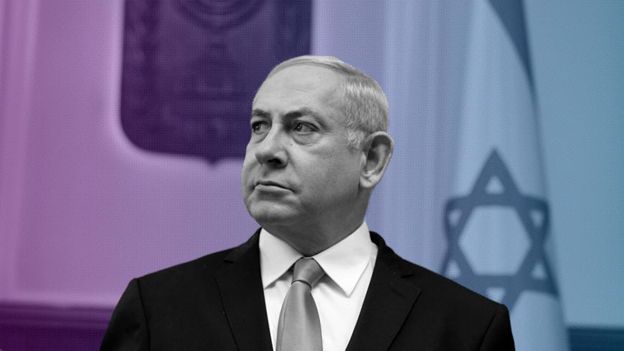


JERUSALEM: Israel is increasingly torn between two pressing priorities: securing the release of hostages in Gaza or continuing its military campaign, often described by critics as Prime Minister Benjamin Netanyahu’s “forever war.” The government’s focus on achieving a total victory against Hamas in Gaza suggests it is leaning toward prolonged conflict, a stance that has drawn sharp criticism both domestically and internationally.
Since October 2023, Netanyahu’s leadership has come under scrutiny for multiple reasons. Critics faulted his government for failing to prevent the October 7 attack and for not ending the 19-month-long war or presenting a clear plan for what the post-conflict period in Gaza might look like. A significant turning point was Netanyahu’s unilateral decision in March to end a ceasefire that could have facilitated the release of remaining captives. This move deepened divisions within Israeli society, as opposition figures recognized that the chances of safely returning hostages from Gaza were diminishing.
Recent weeks have seen an outpouring of dissent from within Israel’s military ranks. Open letters from current and former service members, especially from elite units like the air force, navy, and Mossad, have criticized the government’s priorities. Many argue that Netanyahu’s actions serve his personal and political interests rather than national security. For instance, a letter from air force personnel claimed the war benefits Netanyahu’s political ambitions more than Israel’s security.
The discontent extends to the public. Thousands of Israelis gathered outside the Ministry of Defence in Tel Aviv to protest Netanyahu’s decision to call up an additional 60,000 reservists amid ongoing military operations in Gaza, where more than 52,000 Palestinians, including women and children, have been killed. The protests reflect growing frustration over the prolonged conflict and its mounting human toll.
The military’s internal dissent is also evident in the refusal of many reservists to report for duty. Official figures are elusive, but reports suggest that a significant portion of reservists—potentially up to 40-50%—are refusing service. Many of these “grey refusers” are not ideologically opposed to the war but are exhausted after repeated deployments, supporting a conflict with no clear end in sight. This reluctance threatens Israel’s military capacity and highlights a society strained by ongoing conflict.
Adding to the internal tensions is the issue of the ultra-Orthodox Haredi community, which has historically been exempt from compulsory military service. Despite a Supreme Court ruling in June last year declaring the exemption illegal, the community’s compliance remains inconsistent. Netanyahu, who relies heavily on Haredi support to maintain his coalition government, has been questioned by the court about why the ruling has not been enforced fully.
Within the political landscape, divisions are sharp. Netanyahu’s escalation of the war, often opposed by families of hostages and their advocates, has been supported by far-right allies who claim a biblical right to Palestinian land and homes. The government’s focus on “total victory,” which increasingly appears to include the ethnic cleansing of Gaza, has further deepened societal rifts. Netanyahu’s hardline stance has led to conflicts with his own former Defence Minister Yoav Gallant, who supported the war but prioritized securing the release of hostages, creating friction within the leadership.
Public discourse has become highly polarized. Netanyahu has generally avoided engaging directly with families of captives, and far-right politicians have often clashed with them in parliament. Experts like Yossi Mekelberg from Chatham House note that wars tend to intensify existing societal divisions. Israel now faces a complex web of internal conflicts—ranging from military service refusals to ideological clashes—exacerbated by the prolonged and controversial Gaza campaign.
Mekelberg highlights the toxicity permeating Israeli society: criticism of the war, opposition to Netanyahu, and divisions along religious and secular lines all contribute to a fractured nation. Many Israelis see the current situation as deeply damaging to the country’s social fabric and democratic principles.
Israel’s ongoing Gaza conflict is not only a military struggle but also a profound internal crisis. The government’s emphasis on total victory and territorial occupation risks prolonging the war indefinitely, potentially turning it into a “forever war” that further divides Israeli society. Meanwhile, public discontent, military refusals, and political disagreements threaten to undermine national unity at a time when collective cohesion is crucial.
Agencies