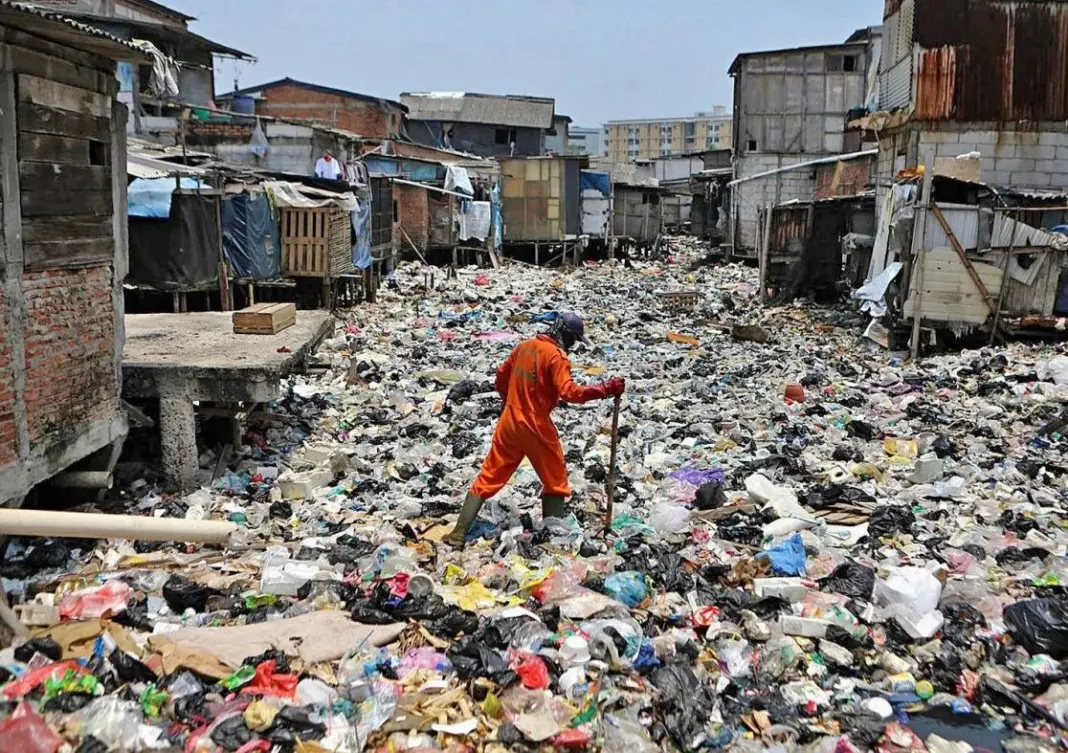


With 85% of 4M tonnes of annual SUP waste mismanaged, the real change begins when consumers choose beeswax over cling film and bulk shopping over packaged goods
Single-use plastics, also known as disposable plastics, are items designed to be used only once before being thrown away or recycled. These include a wide array of products like plastic bags, water and soda bottles, straws, coffee stirrers, food containers, and packaging.
While convenient, single-use plastics pose a significant environmental threat due to several factors:
Persistence: Most single-use plastics are not biodegradable and can persist in the environment for hundreds to thousands of years.
Pollution: They contribute significantly to pollution in landfills, oceans, and other ecosystems. An estimated 19-23 million tonnes of plastic waste leak into aquatic ecosystems annually.
Harm to Wildlife: Animals, particularly marine life, can ingest or become entangled in plastic debris, leading to injury, starvation, and death. It’s estimated that over 100,000 marine mammals and turtles and 1 million seabirds are killed by plastic pollution each year.
Microplastic Contamination: Over time, plastics break down into smaller pieces called microplastics (less than 5mm) and nanoplastics (less than 100 nanometers). These tiny particles have been found in the environment, food, drinking water, and even in human organs and blood. The long-term health impacts of microplastics on humans are still being studied.
Climate Change: The production of plastics relies heavily on fossil fuels, contributing to greenhouse gas emissions. Their incineration also releases carbon emissions. Furthermore, in landfills, plastics slowly decompose and release methane, another potent greenhouse gas.
Resource Depletion: The continuous production of single-use plastics consumes valuable natural resources and energy.
Low Recycling Rates: Despite recycling efforts, only a small percentage of single-use plastics are actually recycled globally (estimated at around 9%). Their small size and contamination often make them difficult to recycle.
India generates a significant amount of plastic waste annually. Estimates vary, but recent figures from 2023 indicate approximately 9.46 million tonnes of total plastic waste. A substantial portion of this is single-use plastic. In 2023, it’s estimated that nearly 43% of India’s total plastic waste was single-use plastic. This translates to roughly 4.07 million tonnes of single-use plastic waste generated in India in 2023.
India is considered a major contributor to single-use plastic waste, ranking around third globally in terms of total volume. The per capita single-use plastic waste generation in India is relatively lower compared to some developed nations, estimated at around 4 kg per person per year, placing it at 94th position globally in per capita waste production.
A significant concern in India is the mismanagement of plastic waste. Estimates suggest that a large percentage, around 85%, of plastic waste is mismanaged, leading to environmental pollution.
The world produces over 460 million metric tons of plastic every year. A significant portion, estimated at around 50%, of all plastic produced is designed for single-use purposes.
Global plastic waste generation more than doubled between 2000 and 2019, reaching approximately 353 million tonnes per year. More recent estimates suggest this figure is closer to 400 million tonnes annually. A staggering 19 to 23 million tonnes of plastic waste are estimated to leak into aquatic ecosystems annually. Without significant interventions, global plastic waste is projected to nearly triple by 2060.
Recognising the detrimental impacts, many countries and regions are taking steps to reduce the production and use of single-use plastics through bans, taxes, and promoting alternatives.
Alternatives to single-use plastics include:
Reusable bags: For shopping and groceries.
Reusable water bottles and coffee cups: Instead of disposable ones.
Reusable food containers and cutlery: For takeaways and packed lunches.
Cloth wraps and beeswax wraps: For food storage instead of cling film.
Reusable straws: Made from metal, bamboo, or silicone.
Products with minimal packaging: Choosing items with less or recyclable packaging.
Bulk shopping: To reduce the need for individual packaging.
Bar soaps and shampoos: Instead of liquid products in plastic bottles.
Reusable produce bags: For fruits and vegetables.
Compostable or biodegradable alternatives: Such as paper cups, plates, and cutlery (though their environmental benefits depend on proper composting infrastructure).
Innovative packaging: Like mushroom-based or seaweed-based packaging.
India has taken significant steps to address the issue of single-use plastics. As of July 1, 2022, India banned the manufacture, import, stocking, distribution, sale, and use of 19 identified single-use plastic items that have “low utility and high littering potential.” These items include ear buds with plastic sticks, plastic sticks for balloons, plastic flags, candy sticks, ice-cream sticks, polystyrene (thermocol) for decoration, plastic plates, cups, glasses, cutlery (forks, spoons, knives), straws, trays, stirring sticks, and packaging films around sweet boxes, invitation cards, and cigarette packets, plastic or PVC banners less than 100 microns, and stirrers.
The thickness of plastic carry bags has been progressively increased from 50 microns in 2021 to 75 microns and then to 120 microns to promote their reuse.
The Central Pollution Control Board (CPCB) launched a mobile app to enable citizens to report the manufacture or use of banned SUP items. However, the usage and redressal rate of this app have reportedly been low.
The government has also introduced Extended Producer Responsibility (EPR) guidelines for plastic packaging to promote a circular economy and hold producers responsible for the end-of-life management of their products.
Despite the ban, reports indicate that the enforcement has been poor, and banned items, particularly carry bags below 120 microns, are still widely circulated. Small vendors have faced disproportionate challenges in implementation due to the higher cost of alternatives and lack of support.
Reducing our reliance on single-use plastics is crucial for protecting the environment, conserving resources, and mitigating the impacts of plastic pollution on ecosystems and potentially human health.
The writer is a teacher at Higher Secondary School, Nehalpora, Pattan
Kousar Ahmed Rather
ko************@***il.com