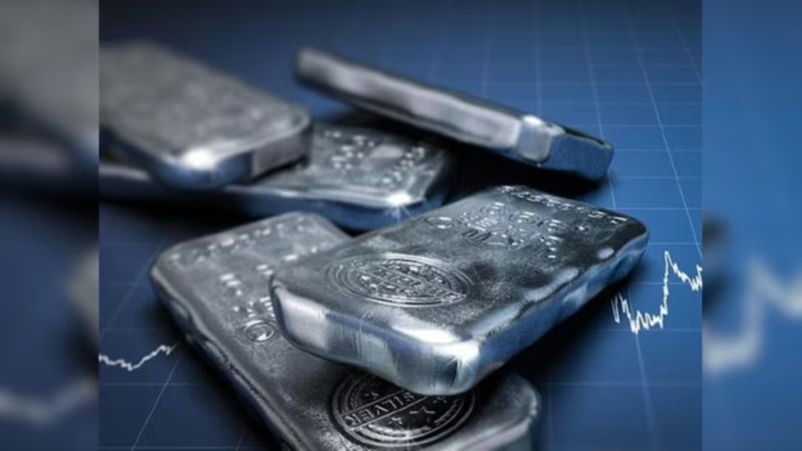


The mere mention of silver often conjures images of gleaming jewellery and precious ornaments. But silver’s appeal goes far beyond its physical lustre. As one of the most versatile metals, it plays a pivotal role both as an industrial commodity and a financial asset.
If you thought gold was the only shiny saviour in uncertain times, silver has steadily emerged as a key portfolio diversifier for Indian investors.
Considering market volatility, it comes out to be a viable hedge. However, the physical form requires maintenance and security. Therefore, investing in the metal digitally is a much safer and more convenient option. Thanks to financial innovations, investing in silver isn’t about buying physical bullion—it’s about putting your money into ETF investment.
What Are Silver ETFs?
ETFs, or Exchange-Traded Funds, are investment tools that pool money from investors and use it to track the performance of an underlying asset—be it stocks, commodities, or indices. A Silver ETF focuses specifically on tracking silver’s price movements.
When you invest in a Silver ETF, you’re essentially purchasing units of an ETF that reflect the value of silver without actually holding physical silver. These units are listed on stock exchanges like NSE and BSE, where they can be bought or sold like shares.
How Do Silver ETFs Work?
When an investor buys into a Silver ETF, the fund manager uses that money to purchase physical silver (or silver-backed derivative contracts). Each unit of the ETF represents a portion of this holding. The ETF’s performance directly aligns with the market price of silver, giving investors transparent exposure to the precious metal.
For instance, if silver prices rise globally, the value of your Silver ETF will increase in tandem. Similarly, a silver price dip will reflect the ETF’s value. The simplicity, transparency, and accessibility of Silver ETFs make them an attractive investment option for beginners and seasoned players alike.
Why Silver ETFs Are Gaining Popularity in India
Hedge Against Inflation
Silver, like gold, performs well as a hedge against inflation. Silver’s tangible intrinsic value becomes a strong safeguard when cash value erodes due to rising prices. Silver holds its value better in times of economic distress than in volatile equity markets.
Growing Industrial Demand
Unlike gold, silver has an industrial component that keeps its demand steady. From electronics to medicine to sustainable industries like solar energy, silver’s applications continue to grow. This boosts its investment demand, making Silver ETFs a smart play for the future.
Convenient Alternative to Physical Silver
Investing in physical silver has its own set of challenges—higher transaction costs, storage worries, and purity concerns. Silver ETFs bypass these issues, offering pure exposure minus the drawbacks.
Accessibility and Liquidity
Because Silver ETFs are bought and sold on stock exchanges, investors enjoy high liquidity and the ability to quickly move in and out of the investment. Contrast this with physical silver, which is cumbersome to liquidate soon.
Benefits of Investing in Silver ETFs
Transparent Pricing
The price of each unit of a Silver ETF is directly linked to the market price of the underlying silver, which is determined in real time by global and domestic benchmarks. Unlike physical silver, there are no hidden premiums or making charges.
Portfolio Diversification
Whether heavily invested in equities, mutual funds, or IPO investments, adding a Silver ETF to your portfolio effectively spreads risk. Silver, as an alternative asset class, negatively correlates with equities, which means it can buffer losses during stock market crashes.
Low Costs Compared to Physical Silver
When you purchase silver jewellery or coins, you pay for the metal and making charges, storage, and potentially inflated rates. Silver ETFs, on the other hand, eliminate these overheads.
No Storage or Security Issues
With physical silver comes the headache of safekeeping. Lockers and safes eat into your returns in terms of recurring costs. Silver ETFs store all holdings digitally, offering peace of mind.
How to Invest in Silver ETFs?
Step 1: Open a Demat Account
Like any other choice, investing in a Silver ETF requires a trading and demat account. These accounts can be opened with any SEBI-registered broker. For example, Axis Direct, Zerodha, Upstox, etc.
Step 2: Choose the Right ETF
Several fund houses have launched their Silver ETF offerings, so you’ll need to compare based on factors like expense ratio, past performance (if available), and liquidity.
Step 3: Make the Purchase via Stock Exchange
Once you’ve selected the ETF, simply place a buy order through your broker. You’ll receive units in your Demat account, which will begin reflecting changes in silver prices.
Conclusion
Silver may not receive as much attention as its golden counterpart, but with options like silver ETFs gaining traction, it’s time Indian investors gave it a second look. Whether you’re looking to hedge against inflation, diversify your portfolio, or explore new markets, this option offers a compelling investment avenue—minus the headaches of physical storage.