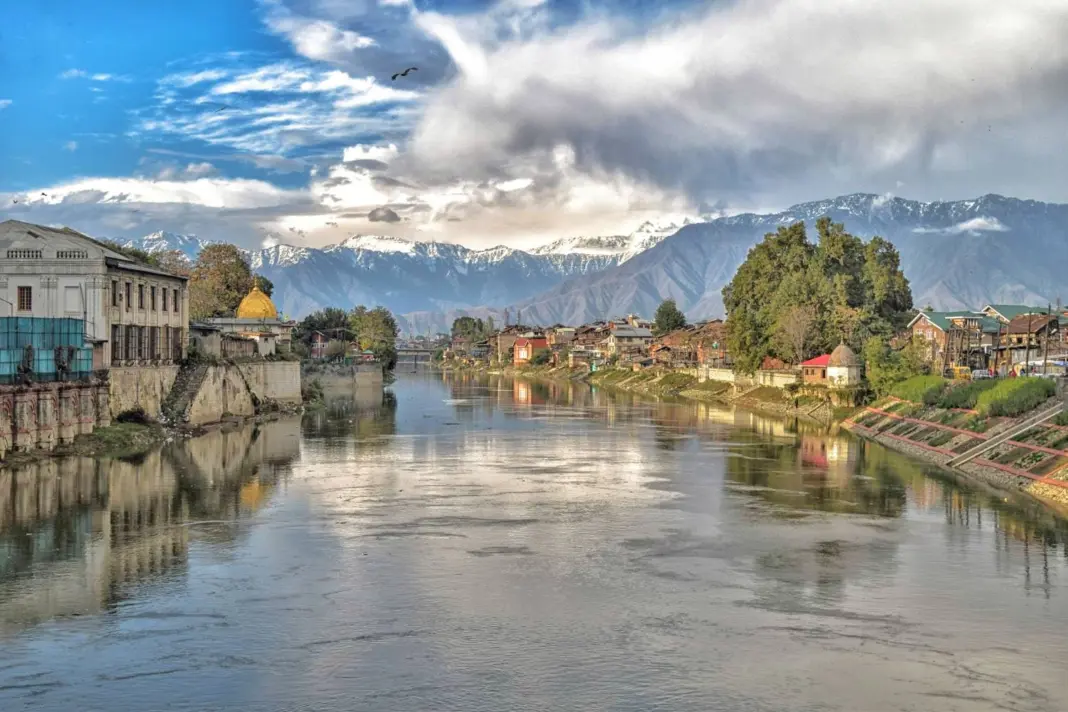


There is an urgent need to safeguard Kashmir’s unique cultural, natural and archaeological heritage amidst growing challenges and threats
As World Heritage Week is observed globally from November 19-25, it serves as a timely reminder of the importance of preserving the rich and diverse heritage of Kashmir. With its unique blend of tangible, intangible, natural, cultural, and archaeological treasures, Kashmir stands as a testament to centuries of history, tradition, and human ingenuity. However, the region’s unparalleled legacy faces numerous challenges that demand immediate attention and proactive measures.
A Multifaceted Heritage
We are also celebrating World Heritage Week from November 19-25, to focus on the precious heritage of Kashmir—encompassing its tangible, intangible, natural, cultural, and archaeological facets—taking on added significance. This week serves not only as a reminder of the value of heritage preservation but also as an opportunity to reflect on the conditions and challenges faced by the rich cultural tapestry of this stunning region .Kashmir’s heritage encompasses a vast array of elements including:
Tangible Heritage: Kashmir is renowned for its breathtaking landscapes, intricate craftsmanship, and profound cultural traditions. The tangible heritage, embodied in historical monuments such as the Mughal Gardens, shrines, and ancient temples, stands as a testament to the region’s historical significance. However, many of these sites are facing threats from urbanization, neglect, and the impacts of climate change. Furthermore, the intangible heritage, including traditional music, handicrafts, and folk narratives, is at risk of erosion as globalization influences local customs and practices. The iconic Mughal gardens, shrines like Hazratbal, temples such as Shankaracharya, and the magnificent wooden mosques of Srinagar are just a few examples of architectural brilliance.
Intangible Heritage: Kashmir has a rich intangible cultural heritage that includes its language, music, dance, festivals, and other cultural expressions. Traditional crafts like Pashmina weaving, the centuries-old Sufi music, and festivals such as Urs reflect the soul of Kashmiri culture.
Natural Heritage: represented by the stunning Himalayas and pristine lakes, rivers and forests etc. Are similarly endangered due to environmental degradation and ongoing conflict. These elements collectively contribute to a rich heritage that needs urgent attention and protection, highlighted during this World Heritage Week. The breathtaking valleys of Pahalgam, Dal Lake, and lush saffron fields are irreplaceable natural assets.
Archaeological Heritage: Hundreds of Archaeological Sites like Burzahom, Gufkral, Kanispur, Harwan etc. reveal the region’s ancient history.
Cultural Heritage: Practices like Wazwan cuisine and the art of storytelling, etc. embody the spirit of Kashmir’s cultural vibrancy.
Condition and Problems
Despite its richness, Kashmir’s heritage is under threat due to:
Neglect and Decay
Many archaeological and historical sites, like lack proper maintenance and are succumbing to the effects of time.
Encroachment and Urbanization
The expansion of villages, towns, and cities, as well as infrastructure development, has encroached on many heritage sites, diminishing their historical value.
Lack of Awareness
The younger generation often remains unaware of their cultural and historical legacy.
Environmental Challenges
Climate change and pollution adversely affect the region’s natural and architectural heritage.
Loss of Traditional Knowledge
The ageing population of artisans and storytellers risks losing invaluable knowledge and skills crucial for maintaining Kashmir’s cultural fabric.
Conflict and Political Instability
Decades of unrest have hindered conservation efforts and led to the loss of precious artefacts.
The Need for Preservation
The importance of preserving Kashmir’s heritage cannot be overstated. Heritage is vital for cultural identity, community pride, and social cohesion. It serves as a bridge between the past and present, enriching the lives of both residents and visitors. Moreover, a well-preserved heritage can be a powerful tool for economic development through sustainable tourism, providing jobs and fostering respect for cultural diversity. Preserving heritage is not merely about saving buildings or traditions; it is about maintaining the identity and continuity of a community. For Kashmir, safeguarding its heritage means: sustaining tourism, a vital economic contributor; ensuring cultural pride and fostering unity among its diverse populace; and passing down knowledge and traditions to future generations.
Prospects and Way Forward
Despite the challenges, there is hope. The prospects for heritage preservation in Kashmir rest on a multi-faceted approach that combines local community involvement, education, and sustainable tourism initiatives.
Community Engagement
Engaging local communities in heritage preservation efforts can foster a sense of ownership and responsibility. Grassroots movements can lead to greater awareness and protection of heritage sites.
Education and Awareness
Incorporating local heritage into school curriculums can help the younger generations appreciate and value their cultural background. Workshops, storytelling sessions, and field trips can be effective tools in this regard.
Sustainable Tourism
Promoting responsible tourism can provide a means of economic benefit while simultaneously encouraging the preservation of cultural sites. Community-based tourism that includes guided tours by local residents can spread awareness of the historic and cultural significance of various locations.
Policy Support
Advocacy for stronger policies and governance focused on heritage protection is vital. Collaborating with governmental and non-governmental organizations to establish conservation efforts can act as a strong foundation.
Conservation and Restoration Projects
Increased government and private investment in restoring monuments and natural landmarks is crucial.
Technological Integration
Using digital tools like virtual reality, 3D mapping, and mobile apps can promote Kashmir’s heritage globally and aid in conservation.
Awakening Future Generations
To awaken future generations to the significance of heritage in Kashmir, it is essential to create interactive and engaging platforms for learning. Utilizing technology through apps or online resources that showcase Kashmir’s heritage, organizing cultural festivals, and supporting youth-led heritage conservation projects can create a renewed interest in local traditions and artefacts. Schools and colleges must integrate heritage education into their programs. Social media campaigns and documentaries can reach a global audience. Youth clubs and NGOs can organize heritage events, promoting volunteerism and cultural pride. Establishing heritage museums and cultural centres across the region can provide an immersive learning experience.
Therefore, World Heritage Week is an opportunity to reflect on the treasures that Kashmir holds and the responsibility we share in preserving them. By addressing current challenges and fostering a culture of appreciation and awareness, we can ensure that the legacy of Kashmir’s rich heritage endures for generations to come. Heritage is not just about the past; it is the foundation upon which the future stands. It is our duty to protect and celebrate it.
The writer is a contractual lecturer of History
By Dr Abdul Adil Paray
aa**********@***il.com