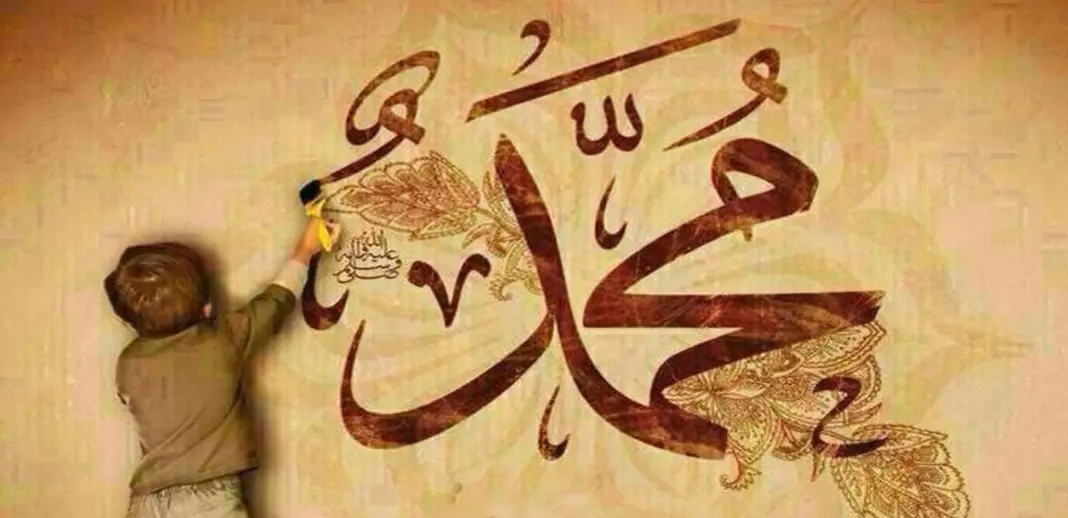


Once I passed through the bustling market of Anantnag, amidst the chatter of vendors and customers, a profound conversation unfolded between two vendors, echoing the teachings of Islam. “A dozen for a hundred,” exclaimed one vendor, prompting a reminder from the other about the sanctity of speaking softly in the presence of one’s father, invoking Islamic principles.
The essence of this exchange is rooted in a verse from the Quran that instructs believers not to raise their voices above that of Prophet Muhammad (SAW). This command goes beyond mere etiquette; it carries profound implications, as scholars have expounded on its diverse meanings.
According to Islamic scholars, the elevated status of Prophet Muhammad (SAW) is emphasized in this directive. The Prophet holds the highest rank in the universe in the sight of Allah, and therefore, his voice is considered the ultimate voice. This concept extends beyond the literal to the philosophical, suggesting that the thoughts emanating from the Prophet transcend the wisdom of all thinkers throughout time.
The Quranic verse underscores the divine authority vested in Prophet Muhammad (SAW). It is a reminder to believers that his teachings are not merely the product of human intellect but are divinely inspired. As such, the voice of the Prophet is elevated to the highest echelons of wisdom, and believers are admonished to listen attentively and respectfully. This respect for Prophet Muhammad (SAW) is not limited to the volume of one’s speech and thought; it extends to all aspects of a believer’s life, whether it is philosophy of life, religion, universe, creation, or creator. Whether the worldly life or the life hereafter. The Quranic verses emphasize the importance of treating the Prophet with the utmost reverence, a sentiment echoed in revered Islamic books such as Bukhari and Muslim, etc.
Hazrat Umar (RA) once presented a portion of the Torah in Arabic to Prophet Mohammad (SAW). As Umar began reading, the Prophet’s expression changed. An Ansari man noticed and informed Hazrat Umer (RA), Prophet Mohammad (SAW) cautioned against seeking guidance from the People of the Book (Tawrah), stating that they may lead to astray. The Prophet emphasized that adherence to his teachings is essential, expressing that even if Moses were alive, he would follow the Prophet’s guidance. Although the book was a revelation, still Prophet Mohammad (SAW) prohibited from seeking guidance from it, as Prophet Mohammad (SAW) possessed the ultimate knowledge and reality of everything. The teaching of every person of all times should concordant with the teachings of prophet Muhammad (SAW) whether it is any higher-ranked Muslim scholar or saint, his/her teachings would be checked out over the teaching of prophet Muhammad (SAW).
Now the question arises who can check and what would be the parameters and principles. The answer is simple: the chain of authenticity; the guided people who have a chain of narration up to Prophet Muhammad (SAW) and the final revelation; the Quran. The teachings of Islam guide believers to reflect on the profound implications of their words and actions. By admonishing against raising one’s voice (here thoughts) above that of Prophet Muhammad (SAW), Islam encourages a culture of humility and respect. It prompts believers to recognize the divine wisdom encapsulated in the Prophet’s teachings and to approach them with the reverence they deserve.
In essence, the command to lower one’s voice in the presence of Prophet Muhammad (SAW) is a symbolic gesture of acknowledging the divine authority and wisdom inherent in his teachings. It serves as a reminder to cultivate a deep sense of respect and humility, recognizing that the Prophet’s voice transcends the worldly cacophony, resonating with the ultimate divinity.
The writer can be reached at ni*******@***il.com