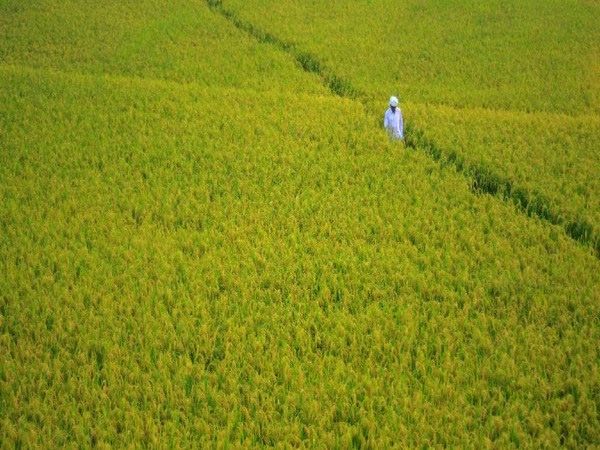


It is a primary question for the whole of Kashmir – the trend of converting agricultural land into apple orchards everywhere in Kashmir has influenced every person who has even a few “Marlas” of land. It is a good thing to see that people are trying to do something economically beneficial for Kashmir after centuries. However, on the other hand, we are potentially harming ourselves by shifting agricultural land to horticultural land solely for the purpose of earning money. This trend, visible in those who have profited from apple cultivation, raises questions about its long-term impact.
Now, I have a few questions for every person living in Kashmir. What do Kashmiri people eat? How many Kashmiris consider apples as a staple food? Is the rice cultivated in Kashmir sufficient, and how much is exported to other states in our country? Lastly, how much surplus rice do we have every year that necessitates converting agricultural land to horticultural for apple cultivation?
The answers to these questions become apparent when rice from other states arrives at our nearby “Ration Ghat,” and long lines form in every corner of Kashmir, regardless of whether it’s a village or a city, and regardless of the season. Another peculiar observation is that when Kashmiris go on pilgrimage (i.e., Hajj), they do not take apples; instead, they carry rice. For the world, “An apple a day keeps the doctor away,” but for a Kashmiri, “Without Batte a day feels like a battle for a day.” In simple words, “Batte” is rice.
The race to earn money from apple orchards, led by every Kashmiri, poses a significant threat to agricultural land. While not an agricultural/horticultural expert, as a Kashmiri, I believe we are on the wrong track, which could have critical implications in the near future. We might reach a point where no one can cultivate a single grain of rice in Kashmir, primarily due to the substantial quantity of pesticides sprayed on apples throughout the year. These pesticides are harmful to nearby fields producing “Batte” (rice), resulting in harmful rice and potential generational impacts.
Comparing the agricultural land with other apple-producing states of the country:
• Agricultural land of Himachal Pradesh: 5,38,412 acres
• Agricultural land of Arunachal Pradesh: 8374 acres
• Agricultural land of Kashmir in 2015: 467,700 acres
• Agricultural land of Kashmir in 2019: 337,000 acres
These figures clearly show a decline in agricultural land in Kashmir. In the ending years of 2023, the agricultural land is much less than in 2019, and in the coming years, there may be barren land for those who cannot afford apple orchards due to a lack of resources like water, roads, or unreachable land.
Why does it seem to be a threat to Kashmir? One of the most significant concerns when converting agricultural land into horticultural land is the potential environmental impact. Agricultural lands are often adapted to support specific crops, and transitioning to horticulture may disrupt local ecosystems and wildlife habitats. The use of different pesticides, fertilizers, and cultivation practices can have unintended consequences, including soil erosion, water pollution, and the decline of native flora and fauna. If we talk about soil health, agricultural lands are typically managed with specific soil health practices in mind. Converting to horticultural crops may demand a different set of soil conditions and nutrients, potentially degrading the quality of the soil over time. This can lead to reduced crop yields and increased reliance on synthetic inputs, which can further harm the environment.
Water resources are a great concern. Horticultural crops often have different water requirements compared to traditional crops. While rice is often grown in flooded paddy fields, horticultural crops may need more precise irrigation systems. Converting to horticulture without proper water management plans can lead to overuse or misuse of water resources, exacerbating water scarcity issues.
If we talk about market risks, the market for horticultural produce can be volatile and competitive. In some cases, farmers might struggle to find consistent buyers or face challenges related to pricing and distribution. This risk can be heightened in regions where horticulture is less established or where specific crops face oversaturation in the market.
Horticultural crops are typically more labour-intensive than some agricultural crops. The transition can lead to a greater demand for manual labour, which may be difficult to meet, particularly in areas with labour shortages. The need for skilled labour and increased management can place a burden on farmers.
Land tenure and legal considerations: In some regions, land conversion might involve complex legal and tenure issues. There could be restrictions on land use, zoning regulations, or the need for permits that farmers must navigate. Failure to do so can lead to legal disputes and complications.
Conclusion: The decision to convert agricultural land into horticultural land is not to be taken lightly. While horticulture can offer higher profit margins and diversification, the potential pitfalls and adverse consequences must be carefully considered. Environmental impact, soil health, water resources, market risks, labour demands, and legal considerations all contribute to the complexity of such conversions. Responsible land management, sustainable farming practices, and thorough planning are essential to mitigate these potential disasters. Ultimately, it is crucial to weigh the potential benefits of horticultural conversion against the environmental and economic risks and consider alternative approaches that can balance the needs of the community and the land.
This issue must be taken into consideration by experts so that there can be a proper solution, preventing any disaster in our paradise, Kashmir.
The writer is an engineering graduate and can be reached at ad*******@***il.com