

‘No idea is above scrutiny and no people are beneath dignity’
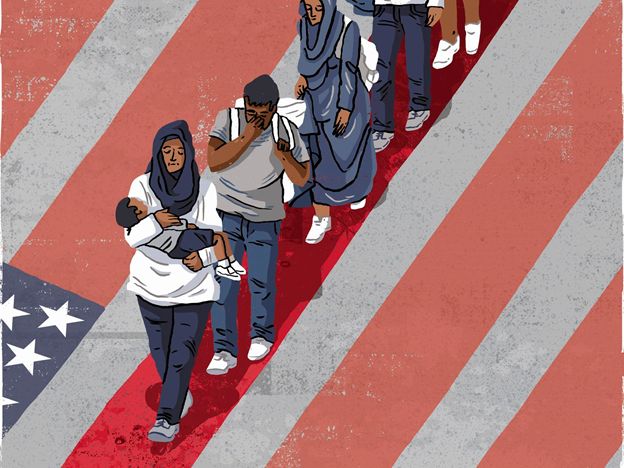
Identity crisis can be a complex issue for anyone, including Muslims. It is not uncommon for Muslims to experience an identity crisis, especially those living in Western countries where they may feel torn between their cultural background and the new culture they are exposed to.
Some common factors that may contribute to an identity crisis among Muslims include:
Cultural differences: Muslims who live in a different cultural context than the one they grew up in may struggle to reconcile their cultural traditions and values with those of their new environment. This can lead to feelings of confusion and uncertainty about their identity.
Religious identity: Some Muslims may struggle with their religious identity, particularly if they are not practicing their faith regularly or have different interpretations of Islamic teachings. This can lead to feelings of guilt, confusion, and isolation.
Societal pressures: Muslims may face discrimination or negative stereotypes in their new environment, which can lead to feelings of inferiority or self-doubt.
Family expectations: Family expectations and traditions can also contribute to an identity crisis for Muslims, particularly if there is a disconnect between their own values and those of their family.
To overcome an identity crisis, it is important for Muslims to engage in self-reflection and explore their values, beliefs, and identity. Seeking support from peers or professionals can also be helpful in navigating this process. Additionally, finding a community that shares similar experiences and values can help provide a sense of belonging and validation.
Unfortunately, yes, Muslims have faced discrimination and negative stereotypes in many parts of the world. This is often due to misunderstandings and misinformation about Islam and Muslims, as well as negative media portrayals that focus on acts of violence committed by a small minority of extremists who claim to act in the name of Islam.
This discrimination can take many forms, including verbal harassment, physical attacks, discrimination in employment and education, and negative stereotypes that portray Muslims as violent, backward, and intolerant. Some Muslims also face discrimination based on their race or ethnicity, such as those who are of Middle Eastern or South Asian descent. It is important to note that not all people hold these negative views of Muslims, and many individuals and organizations are working to promote understanding and respect for Islam and its followers. However, discrimination and negative stereotypes remain a significant problem in many parts of the world, and it is important to continue efforts to combat them.
Peace is the only way to make a solution
Peace has the potential to bring the people of India and Pakistan closer together. The relationship between India and Pakistan has been strained for many years due to a variety of historical, political, and social factors, including territorial disputes, religious differences, and geopolitical tensions. However, despite these challenges, there have been efforts to promote peace and understanding between India and Pakistan. For example, there have been cultural exchanges, academic collaborations, and people-to-people initiatives aimed at fostering greater understanding and dialogue between the two countries. There have also been diplomatic efforts to promote peace, including high-level talks and negotiations between the two governments. While progress has been slow, these efforts have the potential to create a foundation for greater cooperation and understanding between India and Pakistan.
Ultimately, peace will require both governments to work together and make compromises in order to address the underlying issues that have contributed to the tensions between the two countries. However, if both sides are committed to the goal of peace, and are willing to engage in honest and constructive dialogue, then there is hope for a more peaceful and cooperative relationship between India and Pakistan in the future.
Transfer your negative thoughts to positive ones
Negative thoughts and emotions can be a significant barrier to building good ties between India and Pakistan. These negative thoughts and emotions can arise from a variety of factors, including historical grievances, political tensions, and media coverage that portrays the other side in a negative light.
To kick negative thoughts and build better ties between India and Pakistan, it is important to focus on positive actions and attitudes that can help bridge the divide. Here are a few suggestions:
1. Promote people-to-people interactions: Encourage cultural exchanges, academic collaborations, and other initiatives that bring people from both countries together. These interactions can help break down stereotypes and build understanding and empathy between individuals.
2. Foster economic cooperation: Encourage greater trade and economic cooperation between the two countries. This can help create opportunities for businesses and individuals on both sides of the border and can help build greater interdependence between the two countries.
3. Promote dialogue: Encourage honest and constructive dialogue between leaders and officials from both countries. This can help address the underlying issues that have contributed to the tensions between the two countries and can help create a foundation for greater cooperation and understanding.
4. Focus on common interests: Identify areas where the two countries have shared interests, such as fighting terrorism or promoting regional stability, and work together to address these issues. This can help create a sense of common purpose and can help build trust and cooperation between the two countries.
By taking these steps, individuals, organizations, and governments can help kick negative thoughts and build better ties between India and Pakistan. While progress may be slow and incremental, every positive action can help create a more peaceful and cooperative relationship between these two important countries.
The author is a PhD scholar, writer, blogger and columnist, and can be reached at da*******@***il.com