

Stresses creation of comprehensive digital health records for every citizen
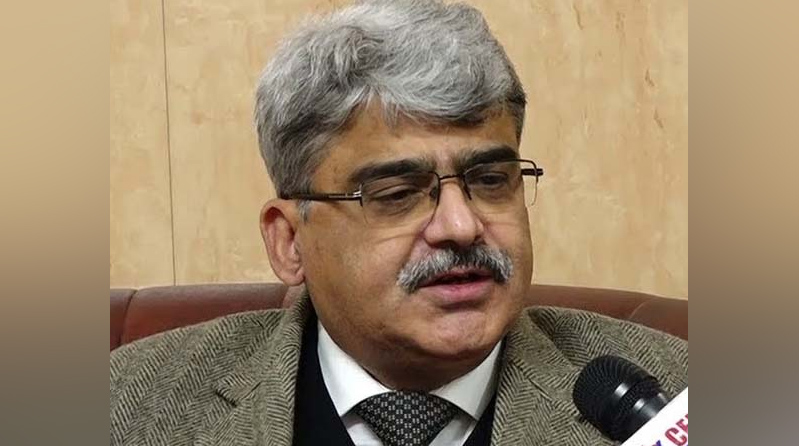
SRINAGAR: Chief Secretary Atal Dulloo on Monday chaired a meeting in Srinagar to review the progress of the Ayushman Bharat Digital Mission (ABDM) in Jammu and Kashmir. The focus was on key components such as digital health solutions, their adoption, and impact on grassroots healthcare delivery. Senior officials from the Health & Medical Education Department, the National Health Mission, and ABDM attended.
Dulloo emphasized that the core goal of ABDM is creating comprehensive digital health records for every individual. While progress has been made in generating ABHA IDs and establishing digital health infrastructure, the ultimate success lies in ensuring complete, secure, and interoperable health records for all citizens. He directed the Mission to develop a clear implementation strategy with milestones to enhance the linkage of electronic health records across the Union Territory.
The Chief Secretary urged the expedited implementation of the Hospital Management Information System (HMIS) in all healthcare facilities, especially public health institutions. He stressed that the number of ABHA IDs should match the number of Ayushman Bharat Golden Cards issued, with targets closely monitored. He also highlighted the importance of maximizing citizen-centric services via the JK Sehat App, including home healthcare, online doctor appointments, tele-consultations, and doorstep medicine delivery, which can significantly improve healthcare accessibility and quality.
Recognizing the JK Sehat App as a comprehensive platform, Dulloo suggested enriching it with additional academic resources, digital libraries, and medical courses to transform it into a robust learning and knowledge-sharing tool alongside healthcare services. He instructed an assessment of operational bottlenecks affecting digital health initiatives and urged stakeholders to resolve them promptly.
The Commissioner Secretary, M. Rajure, praised Jammu and Kashmir’s achievements, including receiving a national award for the highest health record linking per lakh population and recognition for best healthcare facilities under the Mission. The MD of ABDM, Ananth Dwivedi, reported that over 1.12 crore ABHA IDs have been created, covering about 83% of the population. More than 1.34 crore Scan & Share tokens have been generated, indicating increased citizen engagement with digital health services. All public healthcare facilities, doctors, and nurses are registered on the Health Facility and Professional Registries, completing onboarding of the healthcare ecosystem.
District-wise, the Chief Secretary directed authorities to intensify campaigns to ensure universal ABHA coverage, facilitating ID creation at healthcare points and raising awareness. He reviewed progress on the Hospital Management Information System, stating that the JK e-Sahaj platform is operational in over 100 facilities, with 85 hospitals onboarded to the Next Generation HMIS, expected to be fully implemented soon.
The meeting also covered the increasing use of the JK Sehat App, which provides services like digital registration, health record viewing, tele-consultations, ambulance, and pharmacy services. The app has registered over 15.5 lakh users, with many utilizing various healthcare services. The latest version includes features like Health Locker and enhanced functionalities for user convenience.
Dulloo directed the department to aim for 100% ABHA saturation, strengthen health record linkage, maximize Scan & Share use, and expand ABDM-enabled HMIS across all healthcare institutions in Jammu and Kashmir.