

When too much tourism starts chipping away at Kashmir’s soul
Abuzaid kichloo
“Paradise on Earth”. That is what people have called Kashmir for ages. Snowy peaks rise above clear rivers, wide green fields roll into view, while famous lakes shimmer under open skies – each feature whispering stories to poets and wanderers alike. Visitors now arrive by the million each season, drawn like moths to a flame, fueling an industry vital to daily life here. But as footprints multiply across fragile trails, whispers grow louder: when does too much attention start chipping away at the soul of such a place?
Travelling through various corners of Kashmir showed me what comes with rising tourism – both good things, yet tough ones too. Numbers climbing, money flowing – that alone does not capture how tourism shapes this place. Instead, think crowded trails, roads stretched thin, nature taking hits bit by bit. Growth tugs hard at tradition while locals try holding on to quiet ways. Each new hotel stands beside an older truth fading slowly.
No one can ignore how tourism has changed daily life for countless people in Kashmir. Where jobs are hard to find, visitor spending supports thousands of households. When travellers come, those running hotels, driving cabs, managing houseboats, selling goods, taking photos, crafting items, leading ponies, or guiding tours see more work. Whole towns rely on strong seasons filled with guests. People arriving from elsewhere have carried stories of Kashmiri food, art, customs, and handmade treasures far beyond the valleys.
Still, gains from travel bring effects now impossible to ignore.
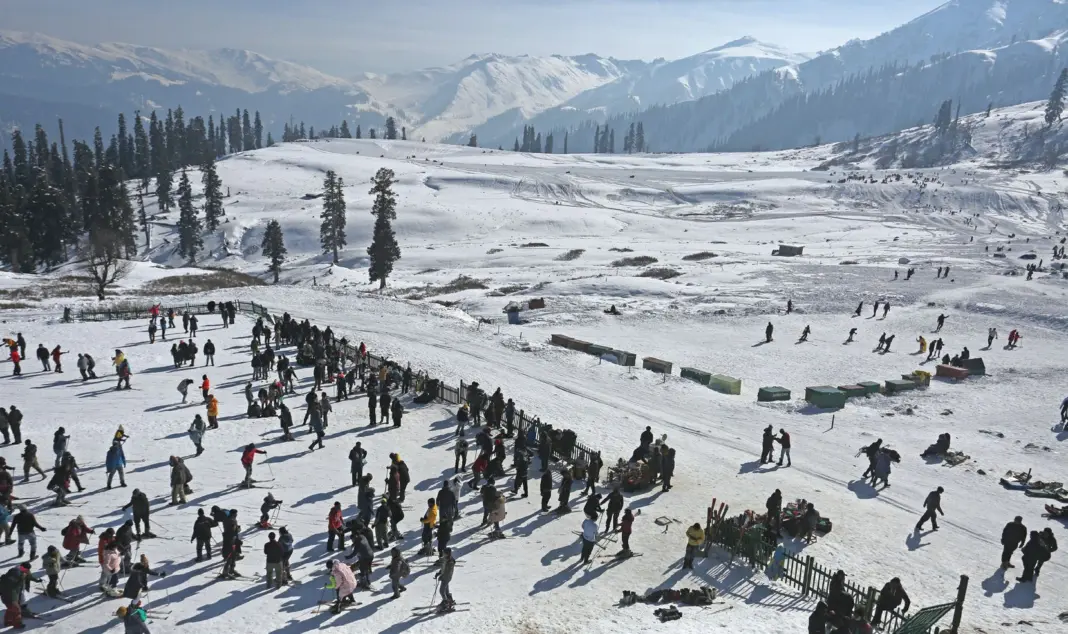
Most people notice the crowds right away when tourism hits its high point. Places once quiet now face more travellers than they can handle. Traffic jams stretch along highways, sometimes lasting most of the day. Lots of cars mean parking fills up fast. Lines build at almost every spot. Visitors might find it annoying. Locals living there deal with this again and again.
Out here, the damage to nature feels heavier every time. Moving through different spots, trash kept showing up where it shouldn’t – crowding paths, resting near streams. Bottles made of plastic, wrappers from meals, random bits of garbage – they stick out like stains on postcards. What hits hard is this: folks come searching for untouched scenery, drawn by images of clear skies and clean rivers. Instead of protecting what’s there, too many actions chip away at it slowly.
Most streams and lakes feel the squeeze now more than ever. Tourist spots like hotels and eateries pull heavy volumes of water, especially when visitors flood in. When thirst for water grows fast, nearby towns can struggle to keep up, even outside summer months. Roads packed with cars often muddy the sky’s clarity, while quiet alpine zones start losing their natural rhythm.
It’s common to measure a destination’s win by how many people show up. Yet more guests might mean bigger profits now, but later on, things could go downhill. Without pause, expansion wears down both nature and community life. Places have limits – how much traffic they handle before harm kicks in – but that detail gets lost when everyone chases new highs in tourist counts.
What hurts isn’t visitors arriving. Kashmir depends on travel income; many households rely on it daily. Yet unchecked rise brings strain. Growth needs balance over time. Roads, shelters, and facilities should keep pace with visitor numbers. Alongside, handling trash and runoff requires stronger methods. It matters how strictly the rules about nature are applied. Just as much, people passing through need to see their part in caring for those spaces.
Start tidily. Toss trash where it belongs. Honour how people live there. Skip habits that hurt nature. Back shops run by residents instead. One choice seems tiny – yet billions doing likewise shifts outcomes sharply.
Nowhere feels more pivotal than Kashmir right now. As crowds swell in the Valley, fresh chances emerge for income, yet pressure mounts on its one-of-a-kind character. Without thoughtful direction, rising travel interest might slowly erode the landscapes people come to see. Still, when building choices follow ecological care, visitor growth could lift residents while preserving heritage down the road.
What keeps a place like a paradise alive? Attention, steady effort, careful choices. Kashmir opens its doors wider every season. The real task isn’t just filling those paths with visitors – it’s making sure what they came for still stands when they are gone. Only thoughtful steps can do that.
ki************@***il.com