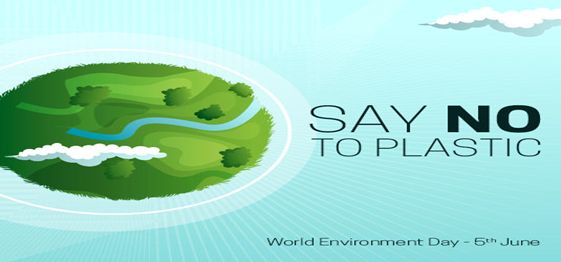


If plastic pollution continues unchecked, the environmental and economic consequences could become irreversible. The need of the hour is collective action, responsibility, and a commitment to preserve this land for future generations.
Aadil Jahangir and Idrees Majied
Jammu and Kashmir, often called “Paradise on Earth”, is visited by lakhs of tourists every year to witness its unmatched natural beauty. However, behind this breathtaking scenery lies a growing environmental crisis that threatens the fragile ecosystem of the region due to plastic pollution. From Dal Lake to mountain tourist resorts, plastic waste has become a serious challenge for Jammu and Kashmir.
Plastic has become an unavoidable part of modern life. Plastic bags, bottles, wrappers, disposable plates, and packaging materials are used daily because they are cheap and convenient. Unfortunately, most of this waste is thrown carelessly on roads, rivers, forests, and tourist spots. Unlike biodegradable waste, plastic remains in the environment for hundreds of years, damaging nature and polluting water and soil.
One of the worst-affected places is Dal Lake, the iconic lake that represents the identity and beauty of Srinagar. Large quantities of plastic bottles, food wrappers, and polythene bags are dumped into the lake every day. Tourists, local vendors, and poor waste management systems have worsened the problem. The pollution of Dal Lake is not only harming aquatic life but also affecting the livelihood of fishermen, houseboat owners, and people associated with tourism.
Recent studies and official data reveal the alarming scale of the crisis. According to government figures, Jammu and Kashmir generated more than 2.25 lakh tonnes of plastic waste in the last five years. The Union Territory produces nearly 1,470 tonnes of municipal solid waste daily, but less than 20 per cent of it is scientifically treated. This means a huge amount of waste ends up in open dumping sites, water bodies, and forests, creating serious environmental hazards.
Tourist destinations such as Gulmarg, Pahalgam, Sonamarg and Yousmarg are also witnessing increasing levels of plastic litter. During peak tourist seasons, piles of plastic bottles, chip packets, disposable cups, and food wrappers can be seen scattered around these scenic locations. While tourism plays a vital role in the economy of Jammu and Kashmir, irresponsible disposal of waste by visitors is damaging the environment and reducing the natural charm of these places.
Plastic pollution is also threatening wildlife and biodiversity. Animals often consume plastic waste, mistaking it for food, which can lead to serious illness and death. Stray cattle feeding on garbage dumps filled with polythene bags have become a common sight in many areas. Scientific studies conducted in Jammu have also detected dangerous levels of microplastics in rivers and streams, raising concerns about contamination of water resources and aquatic life.
Another serious issue is the burning of plastic waste. In many urban and rural areas, people burn accumulated plastic garbage to dispose of it quickly. This releases toxic chemicals and harmful gases into the atmosphere, contributing to air pollution and respiratory diseases. The smoke produced from burning plastic contains poisonous substances that are dangerous for both humans and the environment.
Recognising the severity of the problem, the government has taken several initiatives to control plastic pollution. Since the ban on polythene and single-use plastics in 2019, authorities have seized more than 1,773 tonnes of banned polythene and 232 tonnes of single-use plastic across Jammu and Kashmir. Between April 2025 and January 2026 alone, enforcement teams recovered over 487 tonnes of banned polythene from different districts.
The administration has also established more than 52 Plastic Waste Management Units under the Swachh Bharat Mission to improve recycling and waste collection systems. Recently, a plastic recycling facility was inaugurated in Samba, where rural households are encouraged to deposit clean plastic waste in exchange for money. Such initiatives are important steps toward promoting recycling and reducing environmental damage.
However, government action alone cannot solve the problem. Public participation and environmental awareness are equally important. Citizens must reduce the use of single-use plastics and adopt eco-friendly alternatives such as cloth bags, reusable bottles, and paper packaging. Proper waste segregation at homes, schools, offices, and markets can significantly reduce the burden on the environment.
Educational institutions can play a vital role in spreading awareness among students about environmental conservation. Schools and colleges should organise cleanliness drives, awareness campaigns, debates, and seminars on sustainable living. Media organisations and local newspapers can also contribute by highlighting environmental issues and encouraging people to act responsibly.
Tourists visiting Jammu and Kashmir must understand that protecting nature is everyone’s responsibility. Throwing waste in lakes, rivers, and tourist spots not only pollutes the environment but also destroys the beauty of the region. Responsible tourism practices and strict enforcement of environmental laws are essential to preserve Kashmir’s fragile ecosystem.
Jammu and Kashmir’s natural beauty is its greatest treasure and an important source of livelihood for thousands of people. If plastic pollution continues unchecked, the environmental and economic consequences could become irreversible. The fight against plastic pollution is not just about cleanliness; it is about protecting the future of the coming generations.
By adopting sustainable habits, strengthening waste management systems, and promoting environmental awareness, the people of Jammu and Kashmir can save their paradise from turning into mountains of waste. The need of the hour is collective action, responsibility, and a commitment to preserve the beauty of this land for future generations.
Aadil Jahangir is a library professional, serving in the J&K Higher Education Department. Idrees Majied holds an MSc in Environmental Science.
aa**********@***il.com