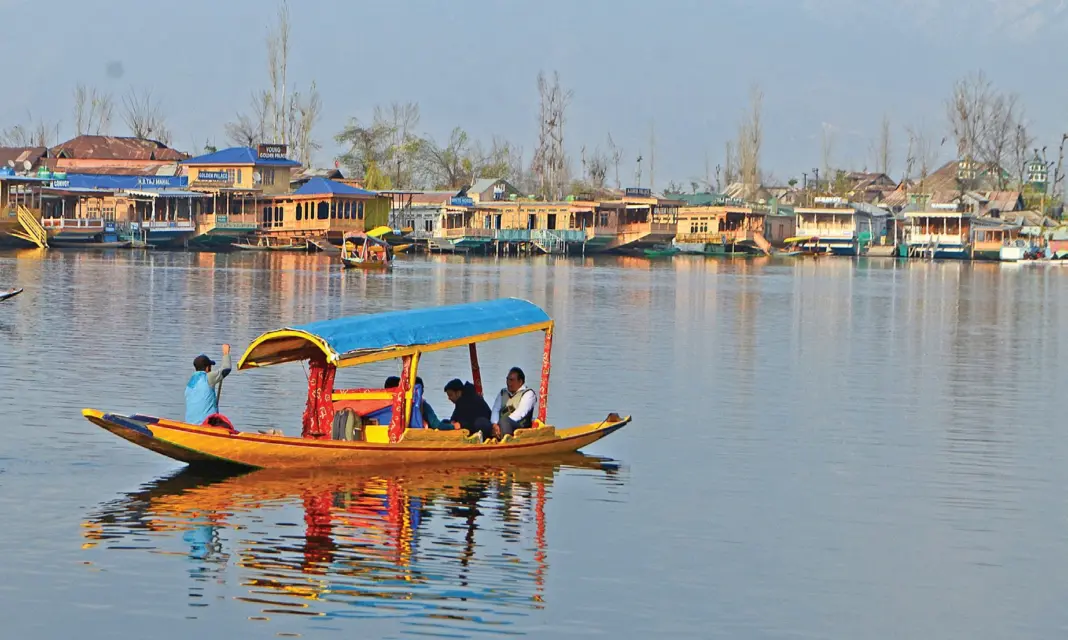


Sustainable tourism means tourism that benefits the economy without damaging the environment, culture, or daily life of local people. Only then can Srinagar continue to remain beautiful not only for tourists but also for the people who call it home.
Shafiya Wani
Srinagar has always been known for its beauty. Surrounded by mountains, lakes, gardens, and rivers, the city has often been called “Paradise on Earth”. For centuries, people from different parts of the world have visited Srinagar to experience its calm atmosphere, beautiful landscapes, and rich culture. Tourism is not just an industry in Srinagar; it is closely connected to the lives of ordinary people. From shikara riders and houseboat owners to handicraft sellers and taxi drivers, thousands of families depend upon tourism for their livelihood.
In recent years, tourism in Srinagar has seen a major revival. More tourists are visiting the city, hotels are crowded during holidays, and social media is once again filled with pictures of Dal Lake and the Mughal gardens. However, along with this growth come many problems. The increasing number of tourists has created pressure on the city’s environment, roads, and public spaces. Therefore, while tourism revival is important for Srinagar’s economy, sustainable urban tourism has become equally necessary.
For many years, tourism in Kashmir suffered because of political conflict and instability. People outside Kashmir often connected the region only with violence and uncertainty. As a result, the number of tourists decreased, and many local people lost their source of income. In recent years, however, tourism has slowly started growing again. Better road connectivity, increased flight services, government tourism campaigns, and the influence of social media have encouraged people to visit Srinagar once more. Films, travel vlogs, and online photographs have also played an important role in changing people’s perception of Kashmir. Tourists now come to enjoy the beauty of Dal Lake, the peaceful Mughal gardens, the snow-covered mountains, and the traditional Kashmiri culture.
This revival of tourism has helped many local people. Hotels, restaurants, cafés, transport services, and local markets benefit greatly during the tourist season. Handicrafts like pashmina shawls, carpets, papier-mâché items, and walnut wood carvings are sold in large numbers when tourists visit the city. Tourism also creates jobs for young people who work as guides, photographers, drivers, or in the hospitality sector. In a place where unemployment remains a serious issue, tourism provides financial support and hope to many families.
At the same time, the revival of tourism has also created many challenges. Srinagar is a fragile city, both environmentally and geographically. It cannot handle unlimited tourism without facing serious consequences. One of the biggest problems is the condition of Dal Lake. Dal Lake is not only a tourist attraction but also an important part of Kashmir’s identity and culture. However, pollution, waste, illegal construction, and overcrowding have badly affected the lake over the years. The growing number of tourists has increased the pressure on the lake even more. Plastic waste, sewage problems, and commercial activity around the lake continue to damage its ecosystem. If this continues, the natural beauty of Dal Lake may slowly disappear.
Another major issue is urban overcrowding. During peak tourist seasons, roads in Srinagar become heavily congested. Traffic jams have become a common problem, especially around tourist areas such as Boulevard Road, Lal Chowk, and the Mughal gardens. The city’s infrastructure often struggles to handle such a large number of visitors. Parking problems, noise pollution, and overcrowded public spaces affect both tourists and local residents. Sometimes, local people feel that tourism development focuses more on visitors while ignoring the difficulties faced by residents.
The Smart City projects introduced in Srinagar aim to improve urban infrastructure and make the city more attractive. Roads, parks, riverfronts, and public spaces are being renovated under these projects. While some changes have improved the appearance of the city, many people also fear that too much modernisation may damage Srinagar’s traditional character. The beauty of Srinagar does not lie only in modern buildings or cafés but also in its old wooden houses, narrow lanes, traditional markets, and cultural atmosphere. If development happens without proper planning, the city may slowly lose its unique identity.
Sustainable tourism becomes very important in such a situation. Sustainable tourism means tourism that benefits the economy without damaging the environment, culture, or daily life of local people. It is about creating balance. Tourism should help the city grow, but it should not destroy the natural beauty and culture that attract tourists in the first place.
One important step towards sustainable tourism is environmental protection. Authorities must work seriously to clean Dal Lake and protect nearby water bodies. Waste management systems should be improved, and strict action should be taken against pollution and illegal construction. Tourists should also be encouraged to behave responsibly by avoiding littering and respecting nature. Hotels and restaurants can reduce plastic use and adopt eco-friendly practices.
Another important step is promoting eco-tourism and cultural tourism instead of mass tourism. Eco-tourism focuses on protecting nature while allowing tourists to experience local environments responsibly. In Srinagar, this could include nature walks, heritage tours, and activities connected to local traditions rather than only commercial tourism. Cultural tourism can help preserve Kashmiri art, music, food, language, and crafts. Instead of turning culture into a product for tourists, tourism should support local artists and craftsmen in meaningful ways.
The revival of traditional water transport in Srinagar can also help reduce traffic congestion and preserve the city’s cultural heritage. For centuries, people in Srinagar travelled through waterways using shikaras and boats. Reviving these water routes can reduce pressure on roads while also giving tourists a more authentic experience of the city. Such steps combine tourism with environmental awareness and cultural preservation.
It is also important to involve local communities in tourism planning. Sustainable tourism cannot succeed if local people are ignored. Residents understand the city’s problems better than anyone else. Their opinions should be included in decisions related to tourism development, urban planning, and environmental protection. Tourism should improve the lives of local people, not make them feel disconnected from their own city.
Another challenge for tourism in Srinagar is its dependence on political and security conditions. Even a small incident can affect tourism badly because tourists quickly cancel their plans during times of uncertainty. This shows how fragile the tourism industry can be in Kashmir. Therefore, the economy should not depend only on tourism. Other sectors, such as handicrafts, agriculture, and small businesses, should also be strengthened so that people do not suffer heavily during the tourism decline.
Srinagar today stands at an important point. The city has the opportunity to grow as a major tourist destination again, but this growth must happen carefully. If tourism increases without planning, it may destroy the environment and culture that make Srinagar special. Development should not only focus on attracting more tourists but also on protecting lakes, preserving heritage, improving public services, and respecting local communities.
In conclusion, the revival of tourism in Srinagar has brought new energy and economic opportunities to the city. Tourists once again visit Kashmir to experience its beauty, culture, and hospitality. However, the increasing pressure on Dal Lake, roads, and urban spaces shows that tourism growth alone is not enough. Sustainable urban tourism is necessary for protecting Srinagar’s future. The city needs development that respects nature, culture, and the lives of ordinary people. Only then can Srinagar continue to remain beautiful not only for tourists but also for the people who call it home.
sh***********@***il.com