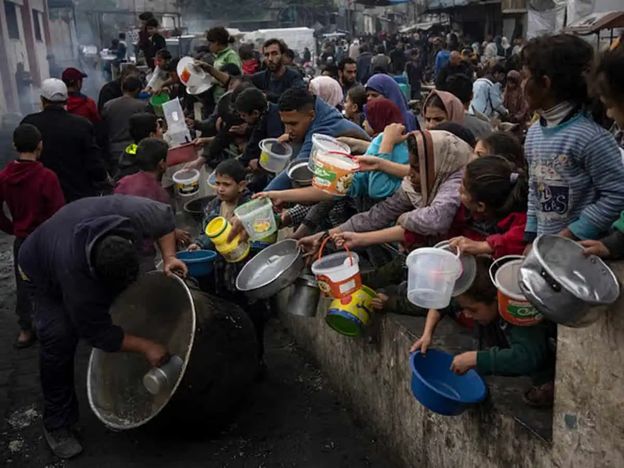


PTSD, cholera, toxic contamination, cancer – war’s scars last long after the fighting stops
Dr Kaneez Fatima
Armed conflicts create profound humanitarian, environmental and public-health consequences. In regions experiencing persistent instability, such as the current tensions between Iran and Israel in the Middle East, civilian populations are often exposed to severe psychological and socio-economic stress. Continuous exposure to violence, displacement and uncertainty contributes significantly to increased levels of stress, anxiety, depression and Post Traumatic Stress Disorder (PTSD) among affected communities. Children living in conflict zones may experience developmental delays, sleep disturbances and long-term emotional trauma due to constant fear and instability.
War also generates serious environmental hazards. The use of modern weaponry releases toxic chemicals, heavy metals, and sometimes radioactive materials into the environment. These substances contaminate soil, air and water, posing long-term ecological and health risks. Agricultural lands and food systems are frequently disrupted as farms, irrigation systems, and crops are destroyed, leading to food insecurity and malnutrition. In addition, explosions, burning fuel and military equipment emissions significantly increase air pollution. This polluted air contains particulate matter and toxic gases that may trigger respiratory diseases such as Asthma, Chronic Obstructive Pulmonary Disease (COPD) and increase the long-term risk of Lung Cancer.
Public health infrastructure is particularly vulnerable during armed conflict. Targeted or collateral damage to hospitals, clinics, and laboratories severely compromises healthcare delivery. When healthcare facilities are destroyed or overwhelmed, the treatment of both acute injuries and chronic illnesses becomes extremely difficult. Poor sanitation, overcrowded shelters, and a lack of clean drinking water create ideal conditions for the spread of infectious diseases. Contaminated water supplies can lead to outbreaks of illnesses such as Cholera, Typhoid Fever, Dysentery and Gastroenteritis. These diseases often cause severe dehydration, persistent diarrhoea, vomiting and can become fatal without proper medical treatment.
Water contamination is another critical issue. Chemical residues, fuel leaks and oil spills from military operations can pollute rivers, lakes and groundwater. Drinking such contaminated water may cause poisoning, liver damage and kidney disorders. Long-term exposure to toxic chemicals may also increase the risk of cancers and neurological disorders. Oil spills specifically damage aquatic ecosystems, killing fish and other marine organisms while also contaminating seafood consumed by local populations.
Radiation exposure during certain military operations can also pose serious health threats. Radioactive particles released into the environment may lead to long-term diseases such as leukaemia, thyroid cancer, and genetic mutations. Radiation damages body cells and DNA, increasing the risk of cancers years after exposure. Additionally, toxic smoke and burning materials released during explosions may cause immediate health problems such as eye irritation, skin burns, headaches, dizziness and breathing difficulties.
Overall, war not only causes immediate destruction but also generates long-lasting environmental degradation, severe public-health crises and deep psychological trauma. Infectious diseases, toxic exposures and radiation-related illnesses can continue affecting populations long after the conflict ends. These long-term health consequences may persist for generations, highlighting the urgent need for global efforts to prevent conflict and protect both human health and the environment.
dr***********@***il.com