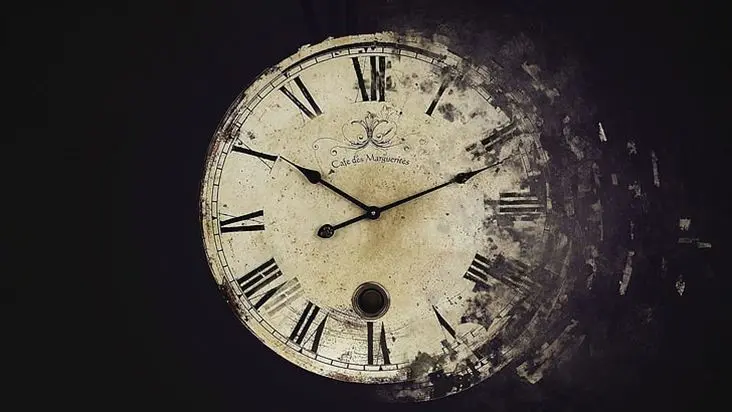


It has been one hundred and fifty days, fifteen hours, twenty-two seconds
Abu Zaid Kichloo
This is not a number—it is the time I have actually lived. This time is filled with moments when I stopped, thought, made choices, and quietly reflected on my life again. The hours and minutes seem exact, even a bit harsh, but between each tick, waiting has become harder. My hope has faded away without me noticing. Things have changed quietly.
Time changes people—that is for sure. But what does not change easily is how we remember them. In our memory, people stay the same. They do not get disappointed; they do not get older. They do not change who they are. The picture we have of someone in our mind does not change, even when their life has moved forward. They continue with their lives while our memory of them remains frozen. So there is a tension between what is really happening and what we remember.
This is what it means to be human. Our bodies keep moving in time; we take on new roles, we acquire new responsibilities, and we change who we are. Yet our minds keep going back to what has already happened. We measure our lives by using calendars and clocks, but we truly understand them by remembering things, feeling emotions, and thinking about conversations that never ended. We cannot calculate the difference between who we used to be and who we are now. We can only feel it. Every time we make a compromise, every time we give up on a plan, every time we take a different path, that difference grows larger. We do not change all at once; it happens slowly, and often we do not even notice that we are becoming someone we never thought we would be.
“Time is the distance between two places.”
But this distance is not about places—it is inside us. It is the distance between what we expected to happen and what really happened, between when we were innocent and when we became aware of things. Time does not stop when we are sad. It does not wait when we are happy. It just keeps moving quietly, reminding us that we are not always in control and that nothing lasts forever.
Life is not just about the big moments—the beginnings and the endings. It is about the moments in between: the silence after a conversation, the breath we take before making a decision, the pause between arriving and leaving. These moments do not always get our attention, yet they change us more than the grand events we celebrate. The importance of a moment is not about how long it lasts but about how deep it is.
One minute of sadness can feel like forever. One hour of happiness can be gone before we know it. The clock only measures duration, not significance. Two experiences can happen at the same time yet be profoundly different in how they make us feel. Time is exact. It does not care about what is important. It does not understand what we long for.
We live in a world where time is treated like money—something we can save, spend, and use wisely. If we are productive, we are worthy. If we are fast, we are successful. In our rush to keep up, we forget the importance of simply being. We think that taking time to reflect is a waste of time. We think that silence is not productive. Yet often, it is in the quiet moments that we remember things and find meaning.
To live between the ticks of the clock means to notice what time cannot measure. The clock marks the beginning and the end, but the importance lies in the quiet moments in between. Time does not just pass—it changes us, it wears us down, it reshapes us. Somewhere between one tick and the next, without anyone noticing, we are no longer the same person we were when we started counting.
The writer is an undergraduate student at Aligarh Muslim University (AMU). His academic interests include political economy, public policy, governance, and contemporary social issues.
ki************@***il.com