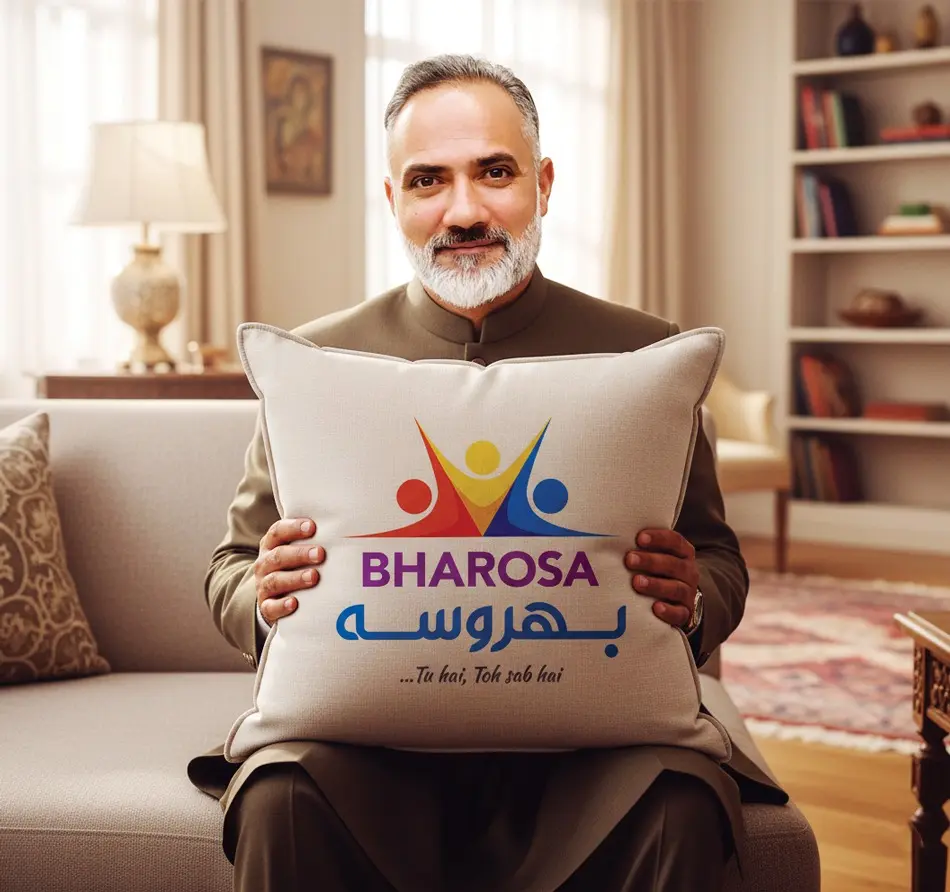


Listening hearts, guiding families toward peace
Sajad Ahmad Mir is a distinguished lawyer based in Kashmir and the founder of Sajad Mir & Associates, has launched a transformative initiative “Bharosa” Family Guidance and CounsellingCentre. Rooted in empathy and community care, “Bharosa” aims to address the often-unspoken emotional and relational challenges faced by families in the Valley. In this exclusive interview, Advocate Mir opens up about the inspiration behind “Bharosa”, the services it will offer, and the deeper purpose driving this much-needed venture.
Why did you choose the name “Bharosa,” and what does it represent for this venture?
“Bharosa” means trust. In our culture, trust is the invisible thread that holds families together. The tagline “Tu hai, Toh sab hai” (If you’re here, everything is complete) isn’t just poetic, it’s a promise. We want people to feel that once they walk through our doors, they’re no longer alone in their struggle.
What personal experiences or observations moved you to establish “Bharosa”? Was there a defining moment that made you realize Kashmir needed a space like this?
Over the years, in my legal practice, I’ve witnessed countless families torn apart–not just by legal disputes, but by silence, shame, and the absence of safe spaces to talk. I’ve seen young people struggling with identity, parents overwhelmed by generational gaps, and couples drifting apart without ever understanding why. We need a place where people can speak without fear, be heard without judgment, and begin to heal. “Bharosa” was born from that need.
Could you walk us through the core services “Bharosa” will provide? How do these offerings cater to the unique emotional and familial dynamics of our region?
“Bharosa” offers culturally sensitive counselling for individuals, couples, and families. Our services include marital counselling, parent-child mediation, trauma support, and youth guidance. We also provide legal awareness sessions, especially for women navigating family law. What sets us apart is our rootedness in Kashmiri values–we understand the weight of izzat (honor), the role of extended families, and the quiet suffering that often goes unspoken. Our counsellors are trained not just in psychology, but in empathy, in listening with cultural humility.
Who is “Bharosa” primarily designed for? How do you plan to ensure that its services are accessible to people across different socio-economic and rural-urban divides?
“Bharosa” is for anyone who feels emotionally isolated, unheard, or overwhelmed–regardless of where they come from. We focus on reaching those who often lack safe spaces to share their struggles, especially youth, elders and individuals whether in crowded cities or remote villages. Through community outreach and culturally sensitive engagement, we aim to make support accessible across all divides.
In your view, what are some of the most pressing emotional or relational challenges families in Kashmir are facing today—and how does “Bharosa” aim to address them?
Kashmir has endured decades of conflict, uncertainty, and social fragmentation. This has left deep emotional scars–grief, anxiety, mistrust, and a breakdown in communication within families. Add to that the pressures of modern life, unemployment and the digital divide between generations, and you have a silent crisis.
In my experience, when disputes arise–be it between spouses, between a father and son over property, or even among friends–the first instinct is often to involve relatives or the local mohalla committee. While the intention may be to resolve matters amicably, in most cases it backfires. Private grievances become public spectacle, gestures are misinterpreted, and instead of healing, the process deepens mistrust. What should have been a step toward reconciliation often ends in broken relationships and lasting resentment.
“Bharosa” aims to be a bridge–between generations, between tradition and change, between pain and healing. We offer a confidential, professional and culturally sensitive space where people can speak freely and be guided toward resolution with dignity. We don’t offer quick fixes; we offer presence, patience and pathways to understanding.
What makes “Bharosa” different from other legal or counselling centers?
Three things make “Bharosa” stand out:
One roof, many needs: Legal clarity and emotional care, side by side.
Rooted in culture: We speak the soul of our people, not just their language.
Built to heal: We don’t escalate, we mend. Restoration is our compass.
Looking ahead, what kind of long-term impact do you envision “Bharosa” having on the social fabric of Kashmir? What change would you most like to see five years from now?
I envision “Bharosa” becoming a household name–not as an institution, but as a symbol of trust and healing. In five years, I hope to see more families choosing dialogue over division, more youth feeling safe to express themselves and a community that sees emotional well-being as essential, not optional. If we can normalize seeking help, if we can reduce stigma around counselling, we will have alreadysucceeded.
If you could speak directly to a family in distress reading this interview, perhaps one hesitant to seek help, what would you want them to know about “Bharosa”?
I would say this: You are not alone. Whatever you’re carrying–anger, confusion, grief, silence–it deserves to be heard. “Bharosa” is not a place of judgment; it’s a space of listening, of understanding. Seeking help is not weakness, it’s courage. And sometimes, the first step toward healing is simply saying, “I need someone to talk to.” We are here. We are listening. And we will walk with you.
Any final thoughts you’d like to share with our readers?
Family is not just blood–it’s bond. And bonds need tending. “Bharosa” is here to help you do that with dignity, wisdom and heart.