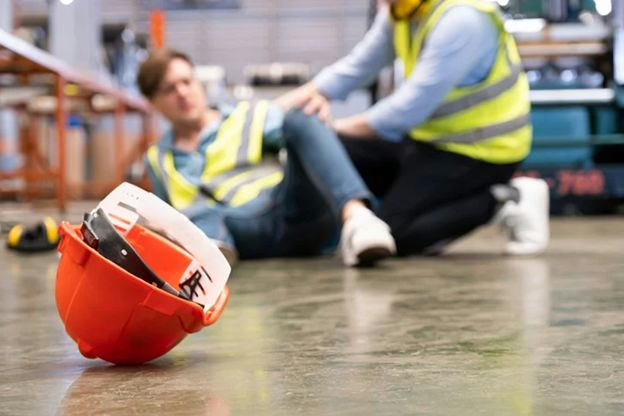


Workplace safety deserves consistent attention, especially in India, where millions of workers are engaged in the construction, manufacturing, logistics, and mining sectors.
While modern safety protocols and equipment have reduced incidents in some areas, many injuries still occur yearly due to lapses in procedures, inadequate training, or unpredictable environments.
According to Industri ALL Global Union, over 8,000 workplace-related injuries were reported between 2014 and 2017, with many going unreported in unorganised sectors. The consequences of such injuries aren’t limited to physical harm; they extend to emotional trauma, loss of livelihood, legal complications, and increased costs for employers.
As a result, Workmen Compensation Insurance has become an important component in supporting employees and employers when accidents occur.
Common Workplace Injuries
Understanding the types of injuries that commonly occur at workplaces can help you implement proactive safety measures. Here are the most frequent incidents observed in Indian workplaces:
- Slips, Trips, and Falls: These are some of the most frequently reported injuries. Wet floors, uneven surfaces, cluttered pathways, and inadequate lighting are common culprits. In industrial units, such incidents can lead to fractures, head trauma, or long-term mobility issues.
- Repetitive Strain Injuries (RSIs) Often overlooked, RSIs occur due to repetitive motions, especially among workers in manufacturing lines, data entry roles, or garment production. This can lead to chronic neck, shoulder, wrist, or back pain, reducing productivity over time.
- Cuts and Lacerations: Numerous devices in the work environment, from machinery to hand tools and even paper cutters, can cause cuts. If not treated properly, such injuries can lead to infections and more serious complications.
- Burns and Chemical Exposure Employees in sectors like chemical manufacturing, food processing, or welding face the risk of burns, thermal or chemical. Accidental exposure without appropriate PPE (Personal Protective Equipment) can result in severe skin damage or respiratory complications.
- Back and Muscle Injuries Improper lifting techniques or handling of heavy equipment can often lead to strained muscles or spinal injuries. This is common among warehouse workers, construction labourers, and factory staff.
- Machinery-Related Accidents Operating heavy machinery without adequate training or in poor conditions increases the risk of crush injuries, amputations, and entanglements. Despite strict safety norms, machinery-related accidents remain a significant cause of workplace fatalities.
- Eye Injuries Flying debris, chemical splashes, or even prolonged screen exposure can lead to serious eye conditions. Lack of safety goggles in industrial settings or screen breaks in office spaces contributes to these incidents.
- Hearing Loss In environments with continuous loud noise, like textile factories or construction sites, workers can suffer from gradual hearing loss. Without protective earwear, this damage can become irreversible over time.
Consequences of Workplace Injuries
Workplace injuries don’t just impact the individual affected; they can ripple across the organisation. Here’s how these injuries can affect an individual:
- Physical and Emotional Trauma: An injury at work can lead to long recovery periods, chronic pain, and psychological stress. In some cases, employees might be unable to return to work.
- Medical Expenses: Healthcare costs in India are rising, and treatment for workplace injuries, ranging from surgeries to physical therapy, can be financially draining, especially for daily-wage workers.
- Lost Wages and Productivity: Time taken off work means employee income loss and reduced output for the employer. Replacing or retraining staff adds to the operational burden.
- Legal Liabilities for Employers: Injured workers (or their families) can file legal claims if employers fail to provide safe working conditions. Compensation settlements can run into lakhs of rupees and cause reputational harm.
How Does Workmen Compensation Insurance Help?
Workers Compensation Insurance is not just a legal safeguard but a responsible and practical tool for businesses and their workforce.
- Covers Medical Treatment Costs: The policy pays for hospitalisation, surgeries, rehabilitation, and other necessary treatments for injured workers. This ensures timely care without financial strain.
- Offers Wage Replacement During Recovery: If a worker cannot resume duties due to an injury, the insurance offers a wage replacement component, helping the family stay afloat during recovery.
- Compensation for Permanent Disability or Death: In case of permanent disability or accidental death, the insurer provides compensation based on the extent of disability or the worker’s salary. This acts as a financial security for the worker and their dependents.
- Reduces Employer’s Legal and Financial Burden: Businesses can rely on insurance coverage to manage claims and compensation instead of bearing all costs out of pocket. This makes risk management more structured and less unpredictable.
- Encourages a Safer Workplace Culture: When companies are aware of the financial and legal risks of injuries, they are more likely to implement safety training, invest in equipment, and build a culture of care and responsibility.
Legal Mandate and Employer Responsibility
Understanding the legal mandate isn’t just about avoiding penalties; it’s about creating a safe, accountable work environment that aligns with regulatory expectations.
- Regulatory Requirement Under Workmen Compensation Act: The Workmen Compensation Act, 1923 mandates that employers compensate workers for injuries sustained at the workplace. Non-compliance can attract hefty penalties, legal action, and even imprisonment.
- Importance of Compliance and Documentation: Proper documentation, including incident reports, safety training logs, and insurance records, is vital for smooth claims processing and legal protection. It also helps with audits and reinforces credibility with workers and authorities alike.
Conclusion
Even with the best safety practices, workplace injuries are a reality, whether a fall on a construction site or a repetitive injury in an office. The consequences can be serious for employees and employers. Workmen Compensation Insurance helps ease that burden. It provides essential financial support for injured workers and protects businesses from unexpected costs. This cover isn’t just a box to tick for companies with field staff, factory teams, or manual labour roles; it’s a practical safeguard. Working with a dependable insurer ensures you meet legal requirements while caring for the people who help you run your business.