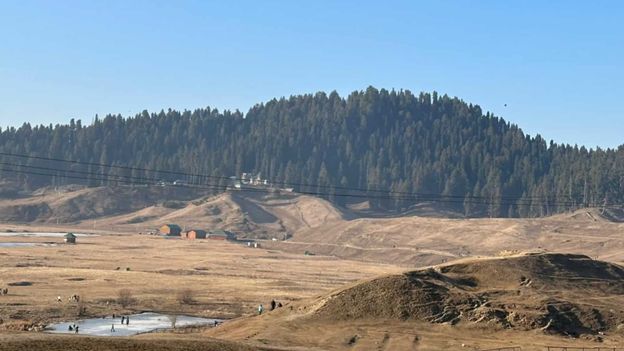


This article delves into the multifaceted crisis of Kashmir’s vanishing springs, examining its causes, profound impacts and exploring sustainable solutions to restore this crucial resource for future generations
The Indian Himalayan region (IHR), including Jammu and Kashmir, is home to an intricate network of approximately three million natural springs, which have historically provided vital services such as drinking water, irrigation for agriculture, and sustaining biodiversity by offering habitats for various species. However, alarming reports, including a 2018 NITI Aayog report, indicate that nearly half of these springs are either dry or running dry. The report attributes this significant decline to erratic rainfall and snowfall patterns, land use and land cover changes, and seismic events, among other factors.
Research studies, such as those conducted by the International Centre for Integrated Mountain Development (ICIMOD) in 2021, further corroborate these findings, underscoring the widespread depletion of Himalayan springs. The drying of springs in Jammu and Kashmir and other parts of the IHR poses a serious challenge to water security, agriculture, and biodiversity in the region. Despite growing awareness among affected communities, recognition of the issue is insufficient. What is urgently needed is targeted intervention to identify the underlying causes of spring depletion, assess the socio-economic and ecological impacts, and implement sustainable recharge strategies. If immediate action is not taken, these crucial water sources could be lost forever.
The Current Condition of Himalayan Springs
Springs in the Indian Himalayan region have traditionally been regarded as reliable, perennial water sources. For decades, they served as dependable lifelines, providing much-needed water to both rural and urban populations. However, over the past few decades, the reliability of these springs has drastically declined, with many springs either showing diminished flow or completely drying up. This disconcerting trend has been observed across several states, including Jammu and Kashmir, Himachal Pradesh, Uttarakhand, and Arunachal Pradesh.
Regarding Kashmir Valley, research indicates a significant reduction in the discharge levels of several prominent springs in Jammu and Kashmir. A study focusing on seven key springs in the Anantnag district—Martand, Achabal, Malakhnag, Sherbagh, Verinag, Lukhbawan, and Kokernag—revealed varying discharge rates, with Verinag being the most productive at 4.55 m³/s and Lukhbawan the least at 0.17 m³/s. This variation underscores the uneven impact on water availability for domestic and agricultural purposes. The findings of this study, published on ResearchGate.net, highlight the varying rates at which springs are losing their discharge capacities, which directly impacts the livelihoods of local communities and the sustainability of agricultural practices. With some springs, like Verinag, still maintaining relatively high discharge levels, while others such as Lukhbawan show alarming reductions, it is evident that targeted and region-specific interventions are necessary to protect and manage these critical water resources effectively.
A prominent example of this crisis is the Achabal Spring in Anantnag’s famous Mughal Garden, whose source is said to be the river Brangiwhichis almost dried up leading to severe water shortages for surrounding villages and negatively impacting nearly about 15 water supply schemes in the area. This case highlights a broader issue that is pervasive throughout the region: erratic rainfall patterns, increased surface runoff, and the loss of natural groundwater recharge zones have compounded the situation. In many areas, villagers who once had easy access to spring water now must travel greater distances to obtain it, a situation that significantly increases their hardships. The economic consequences of this crisis are particularly profound, affecting key sectors such as agriculture and tourism—both of which rely heavily on a steady supply of water from springs.
The drying of springs, such as Achabal and Kokernag represents not only a loss of water resources but also a major ecological catastrophe. The resulting water shortages have deeply affected daily life, agriculture, and the region’s biodiversity. Ironically, while the ecological disaster is widely acknowledged, many individuals and communities have reduced the issue to mere content for social media reels, sharing images of desolation without engaging in any meaningful dialogue about sustainable solutions. The need for active intervention is urgent. A shift in focus from passive documentation to active engagement is imperative—one that emphasizes community-driven conservation efforts, afforestation, and the adoption of scientific recharge strategies to restore these critical water sources.
Reasons for Drying Springs
The depletion of springs in the Indian Himalayan region can be attributed to a combination of natural and anthropogenic factors. Understanding these causes is crucial in developing effective strategies for mitigating this crisis.
- Climate Change
Climate change has disrupted the natural hydrological cycle in the region, leading to erratic rainfall patterns, rising temperatures, and higher rates of evapotranspiration. The reduction in snowfall and the accelerated melting of glaciers have drastically altered the groundwater recharge processes, directly impacting the flow of springs (India Water Portal, 2023). These climatic shifts have caused prolonged dry spells, resulting in a reduced volume of water available for percolation into aquifers, further exacerbating the depletion of spring water.
- Deforestation and Land Use Changes
Unregulated deforestation in the catchment areas of springs has had dire consequences on the hydrological balance of the region. Trees play a crucial role in maintaining soil integrity and promoting the infiltration of rainwater into the ground. When forests are cleared for agriculture or infrastructure projects, the land becomes prone to soil erosion, which reduces its capacity to retain water. Consequently, groundwater recharge is hindered, and the sustainability of springs becomes increasingly jeopardized. Additionally, urbanization and the expansion of agricultural lands have further disrupted the natural recharge areas, amplifying the depletion of groundwater resources.
- Unregulated Groundwater Extraction
The excessive and unregulated extraction of groundwater for agricultural, industrial, and urban use has contributed significantly to the drying up of springs in the region. Many of the springs in the Himalayas are fed by aquifers, and over-extraction of groundwater through borewells and deep tube wells has led to a decline in the natural flow of these springs. The growing reliance on underground water reserves for irrigation, domestic use, and industrial purposes has placed an immense strain on the aquifers that sustain these springs, causing the water table to recede and further reducing spring discharge.
- Infrastructure Development
The construction of roads, buildings, and other infrastructure projects in ecologically sensitive areas has disrupted the natural recharge mechanisms of groundwater. Excavation, soil compaction, and alterations in the natural drainage patterns have compounded the depletion of spring water. Hydropower projects, in particular, have been identified as significant contributors to the declining water table in the region. The construction of dams and reservoirs for power generation disrupts the flow of natural springs by altering their recharge zones and contributing to groundwater depletion. The illegal excavation of sand from the Brangi River has been increasing for some years this could be one of the potential reasons that Achabal, Kothier springs get dried.
- Pollution and Encroachments
What I have witnessed is that the people of the valley are most ignorant about the environment with lack environmental awareness. Therefore another significant factor contributing to the drying of springs is pollution. The dumping of waste, construction debris, and untreated sewage in and around recharge zones has led to contamination of groundwater, making it unsuitable for drinking and further diminishing the volume of usable spring water. In many cases, encroachments around spring sources have obstructed natural water channels, preventing water from flowing freely and disrupting the functioning of these springs. Furthermore, many springs have been diverted for commercial purposes or have been contaminated beyond repair, rendering them unfit for consumption.
Impact on Local Communities and Ecosystems
The drying of springs in the Himalayan region has had far-reaching consequences for both human communities and the ecosystems that depend on them. These impacts are particularly severe given the reliance of local populations on spring water for their daily needs.
- Drinking Water Shortages
In many villages throughout the Himalayan region, spring water serves as the primary source of drinking water. As these springs dry up, people are forced to fetch water from increasingly distant sources, which not only increases their daily burdens but also leads to a decline in the quality of life. The resultant water shortages have made life considerably harder for those dependent on spring-fed water supplies.
- Agricultural Crisis
Farmers who rely on spring water for irrigation are facing significant challenges due to reduced water availability. This scarcity has led to decreased agricultural productivity, financial losses, and food insecurity. Traditional farming practices that once thrived due to reliable spring water flows are no longer viable, forcing farmers to either abandon agriculture altogether or shift to less water-intensive crops. The agricultural crisis triggered by spring depletion has profound consequences for the livelihoods of rural communities and the region’s food security.
- Loss of Biodiversity
Springs serve as crucial water sources for both terrestrial and aquatic species. The drying up of these springs has led to the disappearance of various species that once thrived in these ecosystems. Aquatic biodiversity is particularly vulnerable, as many species are adapted to the cool, stable conditions provided by spring-fed water sources. Additionally, the loss of springs has negatively impacted the vegetation that relied on these water sources, further destabilizing the fragile Himalayan ecosystem.
- Economic and Tourism Losses
The tourism sector in the Himalayas, which thrives on the natural beauty and cultural significance of spring-fed sites, has also suffered due to the drying up of springs. Places such as Achabal and Kokernag, once popular for their scenic beauty and the therapeutic properties of their spring waters, have witnessed a decline in tourist footfall. This reduction in tourism has negatively impacted local businesses, including hospitality, handicrafts, and other cottage industries, leading to significant economic losses.
Strategies for Recharging Springs
Addressing the crisis of drying springs in the Himalayan region requires an integrated approach that blends traditional wisdom, modern scientific research, and active community participation. Several strategies can be implemented to recharge and restore these vital water sources:
- Watershed Management
Effective watershed management practices are essential for enhancing groundwater recharge and preventing excessive runoff. Reforestation, soil conservation, and the construction of check dams can help improve the infiltration of rainwater and restore groundwater reserves. Protecting natural recharge zones is crucial to the long-term sustainability of springs.
- Afforestation and Vegetation Regeneration
Planting native trees and grasses in the catchment areas of springs is a simple but effective measure to improve soil water retention and promote groundwater recharge. Forest restoration programs must be prioritized to help restore the ecological balance in these critical areas.
- Construction of Recharge Structures
Constructing recharge wells, percolation tanks, and contour trenches can capture rainwater and direct it into the ground, replenishing the groundwater reserves that feed the springs. Such infrastructure projects can play a vital role in rejuvenating spring flow and ensuring a reliable water supply.
- Regulating Groundwater Use
Strict regulations must be enforced to prevent the excessive extraction of groundwater. Encouraging sustainable water management practices, especially among farmers and urban planners, is essential to safeguard the future of spring-fed water sources.
- Rainwater Harvesting
Implementing rainwater harvesting systems at both household and community levels can provide supplementary water supplies, reducing dependence on springs. Rooftop rainwater collection systems are particularly effective in supplementing the water needs of rural communities.
- Community Participation and Awareness Programs
Empowering local communities through awareness campaigns and involving them in water conservation efforts is key to ensuring the long-term sustainability of springs. Reviving traditional water management techniques, such as those practised by indigenous communities, can be integrated with modern conservation methods to create more effective and culturally appropriate solutions.
Jammu and Kashmir should implement a strict ban on the excavation of sand from the Brangi River and other rivers as well.
Conclusion
The drying of springs in the Indian Himalayan region is not merely an environmental concern but a socio-economic crisis that jeopardizes the livelihoods of millions disrupts local ecosystems and threatens the cultural fabric of these communities. The case of the Achabal Spring in Jammu and Kashmir stands as a stark reminder of the vulnerability of these vital water sources. The depletion of these springs is driven by a complex interplay of natural factors, such as climate change, and human-induced activities, including deforestation, unregulated groundwater extraction, and infrastructural development. While the gravity of this issue has sparked concern, the solutions lie in a concerted, multidisciplinary approach that integrates scientific research, sustainable policies, and grassroots community involvement.
For long-term sustainability, a combination of watershed management, afforestation, recharge structures, and effective groundwater regulations is essential. The integration of traditional knowledge with modern conservation techniques holds promise, particularly when it comes to community-driven conservation models. Public awareness campaigns and local participation can help in reviving and protecting these springs. Furthermore, policies must prioritize the restoration of ecosystems that are vital for groundwater recharge and regulate the extraction of water resources to ensure that springs continue to serve as reliable sources for future generations.
Without immediate and well-coordinated action, the loss of Himalayan springs will not only deepen the water crisis but also exacerbate issues of food security, biodiversity loss, and economic distress, especially in remote, rural areas that are heavily dependent on these water sources. Preserving these springs is not just an environmental necessity but a socio-economic imperative that can shape the future well-being of the entire region. Only through collective effort—embracing both scientific innovation and traditional wisdom—can we hope to restore these life-giving springs, ensuring the resilience of both the Himalayan ecosystems and the communities that have lived in harmony with them for centuries.
The conservation of springs in the valley requires a multifaceted approach that combines watershed management, sustainable water use, and community participation. Protecting the catchment areas through afforestation, reducing deforestation, and implementing water recharge methods such as check dams and rainwater harvesting will help maintain groundwater levels and ensure the springs’ long-term viability. Sustainable water management practices must regulate extraction and modern irrigation techniques should be encouraged to reduce pressure on these sources. Involving local communities in conservation efforts and reviving traditional water management systems will foster a sense of responsibility, while scientific research and monitoring will guide effective interventions. Finally, government policies that protect these springs and provide legal frameworks for their conservation are crucial. By integrating these strategies, we can restore and preserve the springs of the valley, ensuring that these vital water sources continue to benefit the region’s ecological and human communities for generations to come.
Farooq Ahmad Bakloo
fa************@***il.com