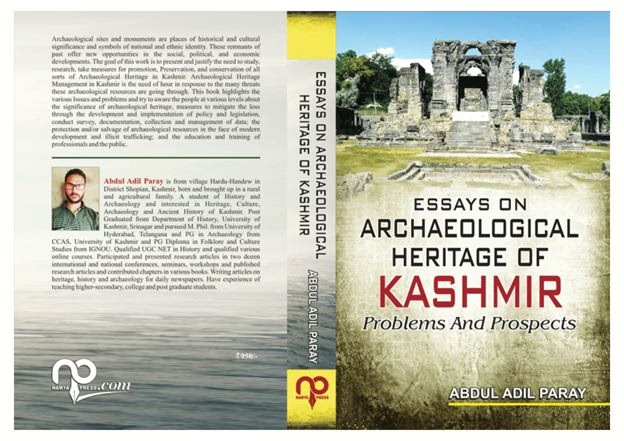


Abdul Adil Paray’s essays illuminate the urgent need for preserving Kashmir’s rich heritage, offering practical insights to cultivate pride and identity in a digital age
In an era dominated by digital gadgets, the significance of reading books, particularly those that delve into one’s history, heritage, and culture, cannot be overstated. Books serve as gateways to understanding the past, offering young minds a profound connection to their roots and identity. Reading about history and cultural heritage enriches the younger generation’s perspective, fostering a sense of pride and belonging. It also helps preserve traditions and values that are at risk of being overshadowed by the digital age. Engaging with books cultivates critical thinking, empathy, and a deeper appreciation for the diversity of human experience, ensuring that the rich tapestry of our collective past continues to inform and inspire future generations.
Abdul Adil Paray’s Essays on the Archaeological Heritage of Kashmir Valley: Problems and Prospects is a compelling exploration of the rich archaeological heritage of the Kashmir Valley. Through a series of well-researched essays, Paray delves deep into the significance, challenges, and potential solutions related to preserving and promoting Kashmir’s heritage. The book is divided into several sections, each addressing different facets of the valley’s archaeological wealth.
Importance of Archaeological Heritage
The opening section of the book emphasizes the importance of Kashmir’s archaeological heritage. Paray effectively argues that the valley’s heritage is not just a remnant of the past but a living testament to the region’s historical and cultural identity. He provides a detailed account of various archaeological sites, artefacts, and monuments that collectively narrate the story of Kashmir’s rich history, from ancient civilizations to more recent historical events.
Significance and Methods of Awareness to Preserve Cultural Heritage
In this section, Paray highlights the urgent need to raise awareness about Kashmir’s archaeological heritage. He discusses various methods to achieve this, such as educational programs, community involvement, and the use of digital media. The author underscores the role of local communities and educational institutions in fostering a sense of pride and responsibility towards preserving their heritage. This section is particularly insightful as it presents practical solutions to bridge the gap between academic research and public awareness.
Heritage as Recognition and Identity of Kashmiri Culture
Paray investigates the concept of heritage as a crucial element of cultural identity. He articulates how the archaeological heritage of Kashmir serves as a source of recognition and pride for its people. This section explores the intricate relationship between heritage and identity, emphasizing how the preservation of cultural landmarks can strengthen communal ties and foster a deeper understanding of one’s roots.
Various Types of Heritage in Kashmir Valley
The book provides a comprehensive analysis of the different types of heritage found in Kashmir, categorizing them into tangible, intangible, natural, cultural, and social heritage. Paray meticulously describes each type, offering examples and case studies that illustrate their significance. From ancient monuments and archaeological sites to traditional crafts and folklore, the author paints a vivid picture of the diverse heritage of the region.
Tangible Heritage: Paray examines the physical artefacts and monuments that serve as tangible links to the past. He discusses the challenges of preserving these structures in the face of environmental and human threats.
Intangible Heritage: This section focuses on the non-physical aspects of heritage, such as language, music, rituals, and oral traditions. Paray emphasizes the importance of safeguarding these intangible elements to ensure the continuity of cultural practices.
Natural Heritage: The author explores the natural landscapes and biodiversity of the Kashmir Valley, highlighting their intrinsic value and the need for sustainable conservation efforts.
Cultural and Social Heritage: Paray sheds light on the cultural practices, festivals, and social customs that form the backbone of Kashmir’s unique cultural identity.
Problems and Prospects
The final section of the book addresses the challenges and prospects associated with the preservation of Kashmir’s archaeological heritage. Paray identifies several issues, including lack of funding, inadequate infrastructure, and the impact of political instability. However, he remains optimistic about the future, proposing a series of recommendations to overcome these hurdles. His suggestions include the implementation of comprehensive heritage management plans, increased government support, and greater involvement of international organizations.
Essays on the Archaeological Heritage of Kashmir Valley: Problems and Prospects by Abdul Adil Paray is an invaluable resource for scholars, students, and anyone interested in the rich cultural heritage of Kashmir. Through his meticulous research and insightful analysis, Paray not only highlights the importance of preserving Kashmir’s archaeological heritage but also offers practical solutions to the challenges faced in this endeavour. This book is a must-read for those passionate about cultural preservation and the rich history of the Kashmir Valley.
The writer/book reviewer is a heritage enthusiast and lecturer in History in the Education Department J&K
Dr Zahoor Ahmad Rather