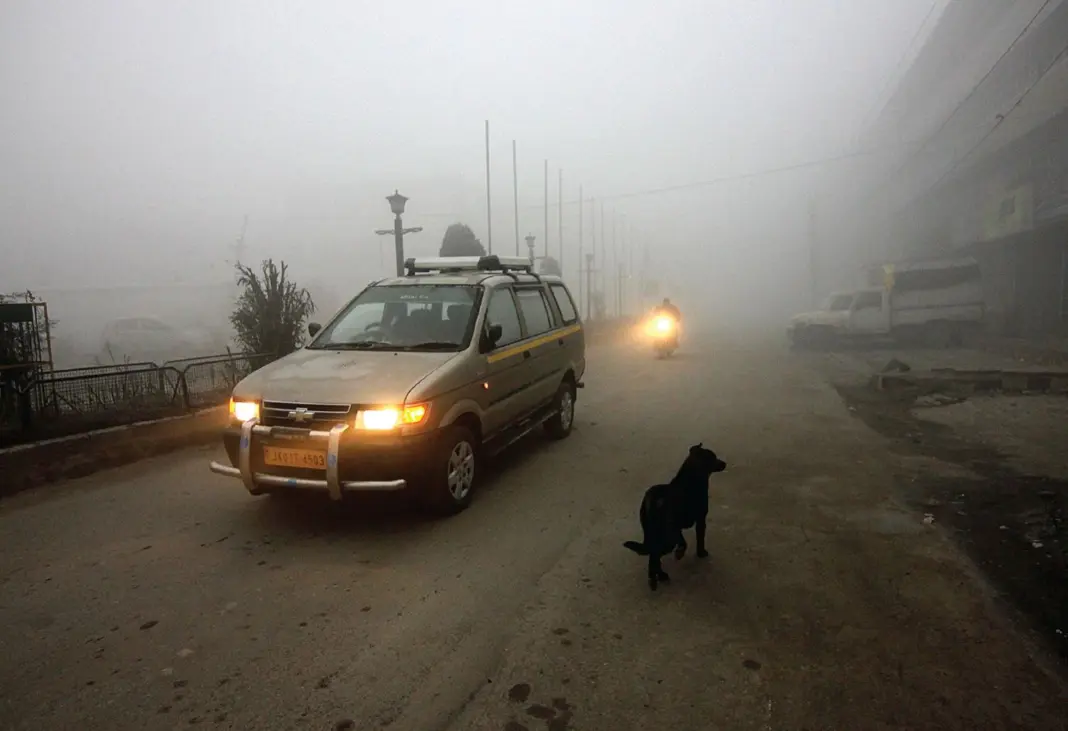


As everyone in and around Kashmir for last fortnight, is proclaiming that the La Niña is about to bring harsh winter to Kashmir, let us get acquainted with the concept and the related phenomenon vis a vis Vale of Kashmir.
What is La Niña and Why will it occur this winter?
La Niña is a complex weather pattern that occurs when ocean surface temperatures in the central equatorial Pacific cool significantly. This cooling of the ocean waters disrupts atmospheric circulation patterns, leading to extreme weather conditions worldwide. La Niña events tend to occur every 2-7 years and can have significant impacts on global climate patterns. La Niña is actually connected with another phenomenon called El Niño. They are basically two phases of a natural climate pattern called the El Niño-Southern Oscillation (ENSO), which affects the Pacific Ocean and involves fluctuations in the ocean’s surface temperature and atmospheric pressure.
Role of La Nina in Western Disturbances
Western Disturbances, low-pressure systems that originate in the Mediterranean region, play a significant role in bringing winter precipitation to the Himalayan region. These systems bring moisture-laden winds that collide with the Himalayan mountains, resulting in heavy snowfall and rainfall.
Changing Patterns of Western Disturbances
Various Research Studies suggest that the patterns of Western Disturbances are changing due to climate change. These changes have affected the frequency, intensity, and duration of winter precipitation events in Kashmir during the last couple of years. The region used to experience warmer winters, with implications for precipitation and temperature fluctuations.
Impact of La Niña on Kashmir:
La Niña’s impact on the Kashmir Himalayas is significant, leading to harsher winters and increased precipitation. During a La Niña event, the Pacific Ocean’s surface temperatures cool, disrupting atmospheric circulation patterns and resulting in extreme weather conditions worldwide. In Kashmir, the La Niña effect like in other parts of the North-western Himalayas, is expected to bring a harsh winter season, with frequent heavy snowfall and sub-zero temperatures anticipated in the forthcoming months. The region’s unique geography, with its high-altitude mountains and valleys, makes it prone to extreme weather conditions.
Thereby, Kashmir, known for its breathtaking beauty and harsh winters, is bracing for an even more extreme winter season in 2025, due to the contemporary effects of La Niña. This climate phenomenon, combined with Western Disturbances, is expected to bring frequent heavy snowfall and sub-zero temperatures to the region.
The combination of La Niña and Western Disturbances is expected to have significant impacts on Kashmir, which can be summarised as follows:
1. Heavy Snowfall in Chilla-i-Kallan: Frequent heavy snowfall events are expected, leading to disruptions in transportation, communication, and daily life. La Niña’s cooling effect strengthens the Western Disturbances, leading to more frequent and intense snowfall events in the region.
2. Sub-Zero Temperatures in December: Prolonged periods of sub-zero temperatures are anticipated, leading to increased energy demand and potential health risks.
3. Prolonged Winters: La Niña’s influence can prolong the winter season, leading to colder temperatures and more frequent cold waves.
4. Agricultural Impacts: The changing weather patterns may affect agricultural productivity, especially with respect to winter-sown crops, leading to potential food shortage concerns.
5. Tourism Impacts: The harsh winter conditions may impact the tourism industry, which is a significant contributor to the region’s economy especially in high Snowbound tourist destinations.
6. Flooding Risks: The increased snowfall and precipitation during La Niña events can lead to a higher risk of flooding in the region, particularly during the spring snowmelt.
Pros and Cons for Kashmir Valley:
La Niña’s impact on Kashmir is complex, bringing both positive and negative effects, which can be highlighted as follows:
Positive Effects:
1. Increased Snowfall in Tourist spots: La Niña brings heavier snowfall, which is beneficial for Kashmir’s winter tourism industry, including skiing and snowboarding.
2. Improved Water Reserves:
The increased snowfall and precipitation help replenish Kashmir’s water reserves, ensuring a steady supply of water for irrigation, drinking, and hydroelectric power generation.
3. Agricultural Benefits:
La Niña’s cooler temperatures and increased moisture can be beneficial for certain crops, such as apples and almonds, which are significant contributors to Kashmir’s economy.
Negative Effects:
1. Disruptions in Transportation:
Heavy snowfall and freezing temperatures can lead to road closures, disrupting transportation and communication networks.
2. Power Outages:
The increased snowfall and strong winds can cause power outages, leaving residents without electricity and heat during the harsh winter months.
3. Agricultural losses in certain crops: While La Niña can be beneficial for certain crops, it can also lead to losses for other crops, such as saffron and vegetables, which are sensitive to extreme weather conditions.
4. Health risks: The prolonged periods of cold temperatures and snowfall can increase the risk of health problems, such as hypothermia, frostbite, and respiratory issues.
Conclusion:
In conclusion, it is noteworthy to mention that neither harsh winters nor the La Nina phenomenon (ENSO) is anything new to the world. Hence, La Niña’s impact on Kashmir is a mixed bag, bringing both benefits and challenges. While it can boost the region’s winter tourism industry and improve water reserves, it also poses risks to transportation, power supply, agriculture, and human health.
Dr Tawseef Yousuf is a PhD in Geography and Disaster Management
By Dr Tawseef Yousuf
ta***********@***il.com