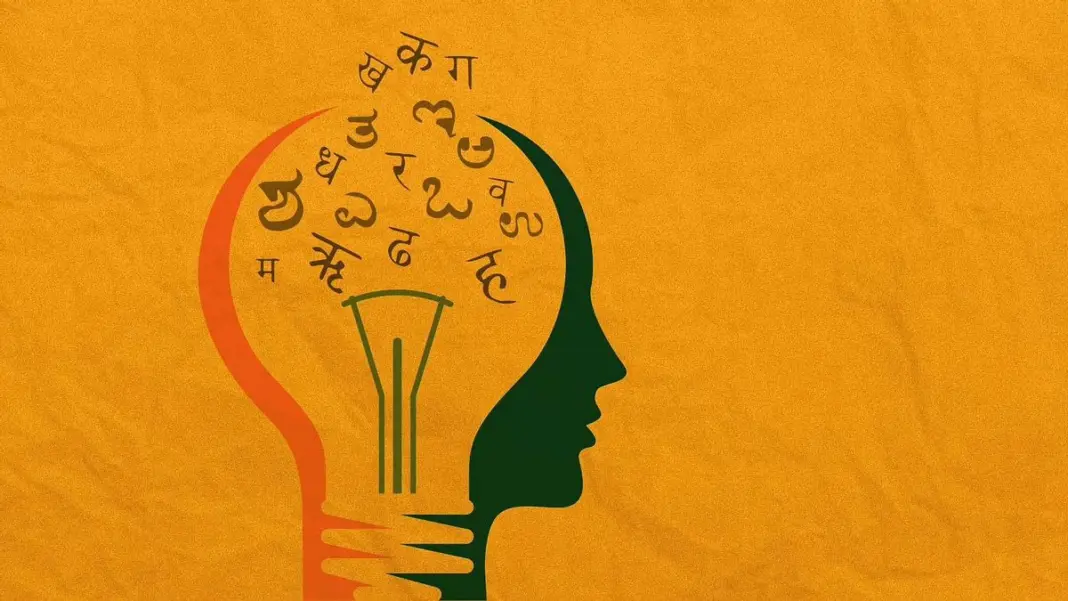


As technology reshapes educational landscapes, the focus shifts from traditional classrooms to dynamic, flexible, and inclusive learning experiences that cater to individual needs and promote essential skills for the future.
As the world continues to change at an unprecedented pace, so too does the way we think about education. The traditional classroom, once the sole hub of learning, is now just one facet of a broader and more dynamic system of education that extends far beyond the four walls of a school. What was once a static, predictable process of teaching and learning, grounded in lectures, textbooks, and exams, is rapidly evolving into an intricate web of digital experiences, community engagements, and lifelong learning journeys. This shift is not simply a consequence of technological advancements, but rather a reflection of a deeper societal shift towards personalized, accessible, and inclusive education that meets the diverse needs of learners in the 21st century.
The primary catalyst for this transformation is, of course, technology. In recent decades, the rapid development of digital tools has had a profound impact on nearly every aspect of our lives, and education is no exception. From the rise of the internet and smartphones to the advent of artificial intelligence (AI) and virtual reality (VR), technology has opened up new avenues for learning that were once unimaginable. In the past, students had to rely on physical classrooms and textbooks to access knowledge. Today, all that is required is an internet connection, and a wealth of resources is available at the fingertips of anyone willing to learn. This democratization of knowledge is reshaping the very essence of education, making it more accessible, flexible, and tailored to the individual needs of students.
One of the most significant changes in education is the move toward personalized learning. In the traditional model, students were often expected to conform to a standardized curriculum that didn’t necessarily match their learning styles or paces. Teachers, no matter how skilled, can only do so much to cater to the diverse needs of their students in a classroom filled with 30 or more individuals. This often meant that some students were left behind, while others were not sufficiently challenged. However, the rise of digital tools has made it possible to personalize education to an unprecedented degree. AI-powered platforms, for example, can assess a student’s strengths and weaknesses, adjusting the content and pace of lessons in real time to match their learning style and level of comprehension. These tools allow students to progress at their own pace, ensuring that they master each concept before moving on to the next. As a result, learning becomes more effective, and students are able to engage with the material in ways that suit their individual needs.
In this new era of personalized learning, the role of the teacher is also evolving. Rather than being the sole source of knowledge, teachers are increasingly taking on the role of facilitators and guides, helping students navigate the vast array of learning resources available to them. Teachers are no longer simply delivering information; they are curating content, providing feedback, and supporting students as they take ownership of their own learning. This shift in roles reflects a broader trend in education toward student-centred approaches, where the focus is on empowering learners to be active participants in their education rather than passive recipients of knowledge. In this way, the teacher becomes less of a lecturer and more of a mentor, guiding students as they explore, question, and discover new ideas on their own.
Of course, the technological revolution in education is not limited to the use of AI and adaptive learning platforms. The proliferation of online learning platforms has also been a game-changer, allowing people to access education from anywhere in the world. Online courses, webinars, and virtual classrooms are increasingly becoming the norm, making education more accessible than ever before. Whether it’s through Massive Open Online Courses (MOOCs) offered by prestigious universities or smaller, niche platforms offering specialized skills training, the internet has made it possible for anyone with an internet connection to access high-quality educational content. This trend has been particularly beneficial for people in remote or underserved areas, where access to traditional educational institutions may be limited or nonexistent. With the rise of online learning, students can learn at their own pace, on their own schedule, and from the comfort of their own homes. For working professionals, parents, and others with busy schedules, this flexibility is a game-changer, providing them with the opportunity to continue their education and acquire new skills without disrupting their careers or personal lives.
But as education becomes more accessible and personalized, the nature of what it means to be educated is also changing. The traditional model of education, which focuses primarily on the acquisition of knowledge, is increasingly giving way to a more holistic approach that emphasizes skills development. In today’s rapidly changing world, knowledge alone is no longer enough. To thrive in the modern economy, individuals need to develop a wide range of skills—both hard and soft—that will allow them to adapt to new challenges and opportunities. Critical thinking, problem-solving, collaboration, and creativity are all essential skills that employers are looking for, yet they are not always adequately addressed in traditional education systems. As a result, there is a growing push to focus more on skills-based education, where the emphasis is on developing competencies that can be applied in the real world.
This shift toward skills-based education is being driven by the changing nature of work. The rise of automation, artificial intelligence, and other technological advances is transforming industries and reshaping the job market. Many jobs that once required human workers are now being performed by machines, while new jobs are emerging that require different skills. In this context, it is no longer enough for students to simply learn facts and figures; they need to be equipped with the skills that will enable them to adapt to an ever-changing world. This is why education systems are increasingly focusing on developing critical skills such as coding, data analysis, digital literacy, and emotional intelligence—skills that are highly valued in today’s economy.
Another important shift in the future of education is the move toward lifelong learning. In the past, education was often viewed as something that took place primarily in childhood and adolescence, to prepare students for a single career. However, lifelong learning has become essential in today’s rapidly changing world. With the rise of automation and artificial intelligence, many traditional jobs are being displaced, and new ones are being created that require different skill sets. To remain competitive in the job market, individuals will need to update their skills and knowledge throughout their careers continuously. This is why the future of education will be characterized by a culture of lifelong learning, where education is not confined to a specific time or place but is an ongoing process that lasts throughout an individual’s life.
Lifelong learning will also be made more accessible by the continued expansion of online learning platforms and other digital tools. In the past, continuing education was often limited to formal degree programs or in-person courses, which could be expensive and time-consuming. Today, however, individuals can access a wide range of affordable, flexible learning opportunities that allow them to acquire new skills and knowledge at their own pace. This has opened up new avenues for personal and professional development, allowing people to pursue their interests, explore new fields, and improve their employability without having to disrupt their lives or careers.
While technology will undoubtedly play a central role in the future of education, it is important to recognize that the human element will remain essential. Education is not just about the transmission of knowledge; it is also about fostering personal growth, emotional intelligence, and social connections. In the future, education will need to strike a balance between technology and human interaction, ensuring that students are not only equipped with the technical skills they need but also the emotional and social skills that are crucial for success in today’s interconnected world. This means that education systems will need to prioritize social and emotional learning (SEL) alongside traditional academic subjects, helping students develop the skills they need to navigate complex social situations, work collaboratively, and manage their emotions effectively.
This shift toward more holistic education is also reflected in the growing emphasis on community-based learning. Historically, education has been viewed as something that takes place within the walls of a school, with teachers as the primary source of knowledge. However, as the boundaries between formal and informal learning continue to blur, communities are playing an increasingly important role in education. Local organizations, parents, mentors, and peers are all contributing to the learning process, helping students connect what they learn in the classroom with real-world experiences. In this new model, education becomes a collective effort, with the community supporting and nurturing students as they learn, grow, and develop into well-rounded individuals.
As the future of education unfolds, we will likely see even greater integration of technology, community, and personalized learning. Education will no longer be confined to a single institution or a specific time in life. Instead, it will be an ongoing, flexible process that takes place throughout a person’s life, shaped by their individual needs, interests, and circumstances. This new model of education holds the potential to transform the way we learn, making education more accessible, inclusive, and relevant to the needs of a rapidly changing world. In this future, learning will not be limited to the classroom; it will extend to every corner of life, from online courses and virtual classrooms to community centres and workplaces. As we move beyond the traditional classroom, we are entering an era of education that is more personalized, more connected, and more dynamic than ever before.
The writer is the Editor-in-Chief of the Assamese E-Magazine SAMPROTIK
By Himangshu Ranjan Bhuyan
hi************@***il.com