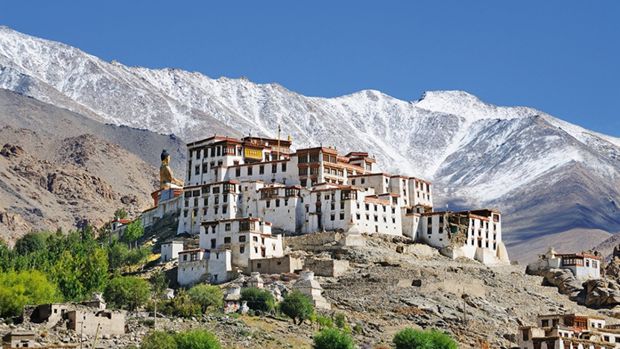
Regardless of its breathtaking beauty, Ladakh is a place with numerous challenging issues The terrible reality of isolated villages, harsh climates, and inaccessible terrains hides behind the magnificent mountains and serene monasteries. As a doctor posted in Kargil, I’ve had the honour of travelling throughout Ladakh, which has allowed me to deeply understand the lives of those who provide healthcare in these isolated areas. I recently visited several medical facilities in the most remote areas of Ladakh as a District Assessor for the National Quality Assurance Standards (NQAS). These visits demonstrated not only the difficulties but also the extraordinary commitment of our medical personnel, who operate under such difficult circumstances.
The Tough Journey to Pachari Sub-Centre
My visit to Pachari Sub-Centre, which is situated in a remote location with dangerously winding and small roads, stands out as one of my most unforgettable experiences. Since the route included negotiating risky roads with sheer cliffs on one side and no margin for error, arriving at Pachari itself seemed like an accomplishment. Arriving in Pachari was like travelling back in time. There were no mobile networks, internet access, or other modern conveniences that many of us take for granted. The local population was receiving essential medical services from the healthcare personnel stationed there in spite of these circumstances. It was very inspiring how determined they were to help despite having few resources and being so isolated.
Winners Beyond Standards
After finally reaching Pachari, I found myself wondering what there was to assess for NQAS. These healthcare workers were already winners in my heart, irrespective of whether they met the prescribed standards or had the required facilities. Their sheer commitment to providing care under such circumstances far outweighed any technical evaluation. To me, their dedication itself was the highest standard one could achieve.
A Critical Need for Basic Infrastructure
I want to stress that although it is admirable that our healthcare system has reached such far-flung places, it is crucial to consider if these facilities are prepared to deal with emergencies. Basic infrastructure and emergency supplies are lacking in many of these sub-centres. Above all, every remote sub-centre should have at least one ambulance on duty. The ability to transfer a patient To a higher-level facility in the event of a medical emergency can make the difference between life and death.
A Lesson in Dedication and Resilience
I became aware of the obvious differences between working conditions in urban regions and these isolated places after visiting places like Pachari. In addition to being professionals, the medical staff here are vital to the communities they serve. They put in endless hours of effort, frequently without the luxury of quick aid or backup support, but they never fail in their commitment to their duties. I was deeply impacted by this encounter. I learned that commitment has no limits, and that motivated me to work even harder in my own line of work. It also emphasized the necessity of improved support networks for these medical professionals.
The need for recognition and support
In places like Pachari, the work of medical personnel is frequently underestimated. Even though their contributions are priceless, they hardly ever get the credit they deserve. Policymakers and higher authorities must try to visit these facilities. Simply showing the personnel that their work is appreciated and acknowledged can have a significant positive impact on their mood. Enhancing the infrastructure, resources, and incentives available to these remote centres can also have a big impact. Since they constitute the foundation of the local healthcare system and guarantee that even the most isolated populations have access to medical treatment, healthcare professionals in these locations shouldn’t feel alone or unsupported.
Conclusion
The medical professionals assigned to Ladakh’s difficult regions, like Pachari, are brave, committed, and resilient. Their efforts serve as a reminder of the value of service and a monument to the resilience of the human spirit. We owe them as a society not just our appreciation but also our assistance in enhancing the sustainability and fulfillment of their hard work. The steadfast attitude of the people of Ladakh, particularly the unsung heroes who give their lives to serve under the most difficult circumstances, is just as beautiful as the region’s natural beauty. Since they are the real ambassadors of care and hope in this isolated area, it is our collective duty to make sure their efforts are acknowledged and encouraged.
The writer is a Medical Officer at the PHC Shargole, Kargil
By Dr Fazal Ul Haq Wani
wa*******@***il.com
Unsung Heroes Of Ladakh: Serving In The Most Challenging Terrains