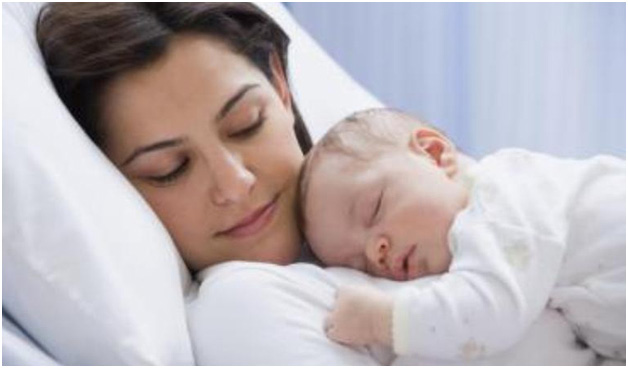


The strength of a nation is not measured solely by its economy, infrastructure, or technological achievements. It is measured by how safely its mothers give birth and how successfully its newborns survive and thrive. Every newborn child carries within it the promise of the future, yet millions of babies around the world never get the opportunity to celebrate their first birthday.
Dr Aashaq Hussain Bhat
The strength of a nation is not measured solely by its economy, infrastructure, or technological achievements. It is measured by how safely its mothers give birth and how successfully its newborns survive and thrive. Every newborn child carries within it the promise of the future, yet millions of babies around the world never get the opportunity to celebrate their first birthday. Likewise, thousands of women continue to lose their lives during pregnancy, childbirth, or the postpartum period from causes that modern medicine knows how to prevent. In an age of unprecedented scientific advancement, the continued loss of mothers and newborns remains one of humanity’s greatest public health failures.
The world today faces multiple challenges that directly affect maternal and neonatal health. Climate change, emerging infectious diseases, economic inequalities, armed conflicts, population displacement, nutritional insecurity, environmental pollution, and unequal access to healthcare have created new risks for pregnant women and infants. The World Health Organization (WHO) and public health experts consistently emphasise that maternal and newborn health is among the most cost-effective investments any society can make because healthy mothers give birth to healthier children, who in turn contribute to stronger communities and more prosperous economies.
Scientific evidence highlights the critical importance of the first 1,000 days of life, from conception until a child’s second birthday. During this period, the foundations of brain development, immunity, metabolism, physical growth, and future cognitive abilities are established. Adverse events occurring during pregnancy or early infancy can have lifelong consequences, increasing the risk of developmental disorders, learning difficulties, chronic diseases, reduced educational achievement, and diminished economic productivity. Protecting mothers and newborns is therefore not merely a healthcare objective; it is a long-term strategy for social development and national progress.
India has made remarkable progress in reducing maternal and infant mortality through institutional deliveries, immunisation programmes, expanded antenatal care, and strengthened healthcare infrastructure. Government initiatives such as Janani Suraksha Yojana, Pradhan Mantri Surakshit Matritva Abhiyan, and Mission Indradhanush have significantly improved healthcare access. Nevertheless, considerable challenges remain. Maternal anaemia, malnutrition, high-risk pregnancies, preterm births, neonatal infections, birth asphyxia, and disparities in healthcare accessibility continue to affect millions of families across the country. Rural populations, economically disadvantaged communities, and geographically isolated regions often bear a disproportionate burden.
The Kashmir Division of Jammu and Kashmir presents unique opportunities as well as challenges. The region has witnessed significant improvements in healthcare services, institutional deliveries, immunisation coverage, and maternal health awareness. However, difficult mountainous terrain, severe winter conditions, road blockages, delayed referrals during emergencies, nutritional deficiencies, socioeconomic disparities, and limited access to specialised healthcare in remote areas continue to pose serious risks. For many families living in far-flung villages, reaching advanced medical facilities during obstetric emergencies can still be difficult. In such situations, every minute becomes precious, and delays can determine the survival of both mother and child.
Maternal health begins long before pregnancy. A healthy mother is more likely to deliver a healthy baby. Unfortunately, anaemia remains widespread among women of reproductive age and is associated with preterm birth, low birth weight, maternal complications, impaired fetal growth, and increased newborn vulnerability. Improving maternal nutrition should therefore become a public movement. Every household must recognise the importance of balanced diets rich in proteins, iron, calcium, folic acid, fruits, vegetables, whole grains, and essential micronutrients. Investing in the health of adolescent girls today means investing in healthier pregnancies tomorrow.
Regular antenatal care remains one of the most powerful tools available to modern medicine. Every pregnant woman should undergo timely medical check-ups, blood pressure monitoring, haemoglobin assessment, screening for gestational diabetes, infectious diseases, and fetal growth abnormalities. Antenatal visits also provide opportunities to educate families regarding nutrition, birth preparedness, breastfeeding, vaccination, and the early recognition of danger signs. No pregnancy should be considered “normal” without professional medical supervision.
Equally important is ensuring safe childbirth. Deliveries attended by skilled healthcare professionals in adequately equipped health facilities dramatically reduce maternal and neonatal mortality. Families should identify the nearest healthcare facility well before the expected delivery date, arrange transportation plans, save emergency contact numbers, and seek immediate medical attention when warning signs appear. Preparedness can save lives.
The neonatal period, the first twenty-eight days after birth, is the most vulnerable stage of human life. Globally, nearly half of all deaths among children under five occur during this brief period. Prematurity, birth asphyxia, neonatal infections, congenital anomalies, severe jaundice, and inadequate postnatal care remain leading causes of newborn mortality. Yet most of these deaths are preventable through simple, evidence-based interventions. Early initiation of breastfeeding within the first hour of birth, exclusive breastfeeding for the first six months, skin-to-skin contact, proper thermal care, hygienic cord care, newborn screening, timely immunisation, and regular monitoring of growth and development can dramatically improve survival and long-term health outcomes.
Particular attention must be paid to newborn babies because the developing brain is exceptionally sensitive to injury. Oxygen deprivation during birth, untreated neonatal infections, severe jaundice, hypoglycaemia, and delayed medical intervention can result not only in immediate mortality but also in lifelong neurological disabilities. Parents should seek urgent medical evaluation if newborns develop difficulty breathing, poor feeding, repeated vomiting, fever, abnormal body temperature, convulsions, bluish skin discolouration, excessive sleepiness, reduced activity, persistent jaundice, or unusual movements. Early intervention often makes the difference between complete recovery and lifelong complications.
Healthcare systems alone cannot shoulder this responsibility. Families and communities have an equally important role. Husbands should actively support pregnant wives by accompanying them to antenatal visits, encouraging healthy nutrition, reducing household burdens, and facilitating timely healthcare decisions. Grandparents and extended family members should support evidence-based healthcare practices and avoid harmful traditional misconceptions. Community leaders, educators, and civil society organisations must contribute to awareness campaigns that promote maternal and newborn health.
There are several practical measures that ordinary citizens can adopt immediately. Pregnant women should register early with healthcare providers and complete all recommended antenatal visits. Families should ensure adequate maternal nutrition, prevent tobacco smoke exposure, avoid self-medication, and strictly prohibit alcohol consumption during pregnancy. Expectant parents should prepare emergency transportation and financial plans well before delivery. Exclusive breastfeeding should be encouraged, childhood vaccinations completed according to schedule, household hygiene maintained, and prompt medical care sought whenever danger signs arise. These simple measures require awareness more than wealth and can save countless lives.
Religious teachings also provide powerful support for protecting mothers and newborns. The Holy Quran repeatedly emphasises the sanctity of life, compassion, and responsibility towards future generations. Allah Almighty says: “And do not kill your children for fear of poverty. We provide for them and for you” (Surah Al-Isra 17:31), affirming the immense value of every child. The Quran further states: “Whoever saves one life, it is as though he has saved all mankind” (Surah Al-Ma’idah 5:32), a principle that perfectly aligns with modern public health efforts aimed at preventing maternal and neonatal deaths. In another remarkable verse, Allah says: “Mothers shall breastfeed their children for two complete years for whoever wishes to complete the nursing period” (Surah Al-Baqarah 2:233). Modern medical science now confirms that breastfeeding provides optimal nutrition, strengthens immunity, promotes brain development, and protects infants against numerous diseases.
Prophet Muhammad (Peace And Blessings Be Upon Him) demonstrated extraordinary compassion toward mothers and children. He advised believers to seek treatment, stating: “Allah has not sent down a disease except that He has sent down for it a cure.” This profound guidance encourages the utilisation of medical knowledge, preventive healthcare, and scientific advancement while maintaining faith in Allah. The Prophet’s kindness toward children and sensitivity toward maternal well-being remain timeless examples for society. Hazrat Umar ibn Al-Khattab (RA), known for his commitment to public welfare, considered the protection of vulnerable populations among the foremost responsibilities of leadership. Islamic scholars throughout history have emphasised that preservation of life (Hifz al-Nafs) is among the highest objectives of Islamic law, making the protection of mothers and infants both a medical and religious duty.
Other religious traditions convey similar values. The Bible describes children as blessings and repeatedly advocates care for mothers, families, and the vulnerable. Hindu scriptures emphasise the sacredness of motherhood and the moral responsibility of nurturing future generations. Sikh teachings encourage selfless service (seva) and protection of those in need, while Buddhist philosophy promotes compassion, care, and responsibility toward all living beings. Across cultures and faiths, a universal message emerges: the health of mothers and newborns is a shared moral responsibility.
As India continues its journey toward progress and development, maternal and neonatal health must occupy a central place in public policy and community consciousness. Every maternal death represents a family tragedy and a societal failure. Every preventable newborn death is a lost future, a lost dream, and a loss for the entire nation. Strengthening healthcare infrastructure, expanding specialist services, improving rural healthcare access, promoting nutrition, supporting breastfeeding, ensuring universal immunisation, and enhancing public awareness must become collective priorities.
The future of a nation begins long before a child enters school; it begins in the womb and in the first moments after birth. The healthiest societies are those that protect life at its most vulnerable stage. By combining scientific knowledge, responsible governance, community participation, family support, and the ethical values shared by all faith traditions, we can create a future where every mother experiences a safe pregnancy, and every newborn receives an equal opportunity to survive, grow, and flourish. Protecting mothers and newborns is not merely a healthcare challenge; it is a humanitarian obligation, a social investment, and the foundation upon which the future prosperity of India will ultimately be built.
aashaq.e14936@cumail.in