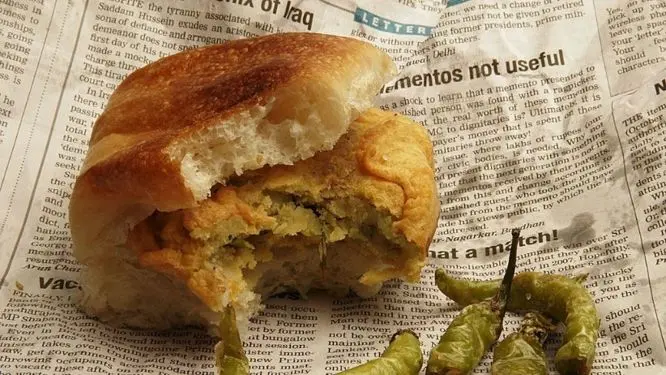


FSSAI has repeatedly warned: newspaper ink contains heavy metals. Heat and oil make them leach into your food. Newspapers also carry dust, dirt, and pathogens. The 2018 Packaging Regulations explicitly prohibit this practice. Next time you reach for that snack, look beyond convenience. Choose packaging that protects, not endangers. Small shifts today can prevent significant health burdens tomorrow.
Muzamil Arif
In the bustling streets of Mumbai, a popular vada pav vendor’s routine practice recently drew the attention of food safety authorities. What seemed like a harmless, time-tested way of wrapping snacks has sparked a fresh nationwide advisory from the Food Safety and Standards Authority of India (FSSAI). On June 5, 2026, FSSAI reiterated its long-standing directive: newspapers must not be used for packing, serving, wrapping, or storing food. This timely reminder, issued just ahead of World Food Safety Day on June 7, highlights a critical yet often overlooked public health issue.
THE PERSISTENT PRACTICE AND THE LATEST TRIGGER
Wrapping hot samosas, pakoras, or vada pav in newspaper pages remains a common sight across India’s street food stalls, small eateries, and even some households. It is cheap, readily available, and absorbent. However, this habit, rooted in frugality and tradition, carries hidden dangers that FSSAI has highlighted repeatedly since at least 2016, with formal prohibitions in the 2018 Packaging Regulations.
The latest push came after a joint inspection by FSSAI’s Western Region and the Brihanmumbai Municipal Corporation (BMC). Authorities observed a well-known vada pav seller using a newspaper, prompting immediate action and broader awareness drives. Similar non-compliance was noted elsewhere, leading FSSAI to urge all food business operators — street vendors, cloud kitchens, caterers, quick-service restaurants (QSRs), mobile vendors, and petty retailers — to switch to safe alternatives immediately.
WHY NEWSPAPERS ARE UNSAFE: THE SCIENCE BEHIND THE WARNING
Newspaper printing ink contains chemicals, pigments, binders, and heavy metals, including lead. These substances can migrate into food, especially when it is hot, oily, moist, or fried. Heat and oil act as solvents, accelerating the leaching process. Over time, repeated exposure may contribute to long-term health issues, ranging from neurological effects linked to heavy metals to potential carcinogenic risks from bioactive compounds in the ink.
Additionally, newspapers pass through multiple hands during printing, distribution, and sales. They collect dust, dirt, bacteria, viruses, and other pathogens in often unhygienic conditions. Using them to absorb excess oil from fried foods or to cover ingredients only heightens contamination risks.
FSSAI’s Food Safety and Standards (Packaging) Regulations, 2018, explicitly prohibit this practice: “Newspaper or any such material shall not be used for storing and wrapping of food.” The rules also ban using newspapers to cover or serve edibles or soak up oil. Printed surfaces of packaging must not come into direct contact with food, and inks must meet specific safety standards.
HEALTH IMPLICATIONS: A SILENT THREAT TO MILLIONS
For millions of Indians who rely on affordable street food, the implications are significant. Children, the elderly, pregnant women, and those with compromised immunity face higher risks. Chronic low-level exposure to lead and other toxins can affect cognitive development, kidney function, and overall well-being. Food-borne illnesses from microbial contamination add another layer of concern, contributing to India’s burden of gastrointestinal diseases.
Public health experts note that while one-time use may seem minor, the cumulative effect across daily consumption is worrisome. This aligns with FSSAI’s broader mandate to protect consumers and promote evidence-based practices.
CHALLENGES FOR VENDORS AND THE WAY FORWARD
Street vendors and small businesses often cite cost and convenience as reasons for continuing the practice. Food-grade butter paper, approved wraps, or stainless steel containers can be more expensive initially. However, FSSAI emphasises that safer options are essential for consumer trust and long-term business sustainability. Many states are conducting awareness campaigns, and enforcement aims to guide rather than solely penalise.
Consumers also play a vital role. By refusing newspaper-wrapped food and demanding proper packaging, they can drive change. Supporting vendors who use food-safe materials encourages industry-wide improvement.
ALTERNATIVES AND SUSTAINABLE SOLUTIONS
Approved alternatives include food-grade parchment or butter paper, certified biodegradable materials, or multilayer packaging where the food-contact layer meets safety norms. FSSAI encourages vendors to explore bulk purchasing or cooperatives to manage costs. Broader initiatives on sustainable packaging, including guidelines for recycled materials that meet strict standards, show the regulator’s commitment to balancing safety, affordability, and environmental concerns.
BUILDING A CULTURE OF FOOD SAFETY
This advisory is more than a regulation — it is a call to collective responsibility. On World Food Safety Day, it reminds us that food safety begins with mindful choices at every level, from production and packaging to consumption. FSSAI’s proactive stance, including inspections and public education, strengthens India’s food ecosystem.
As India aspires toward a developed nation status, ensuring safe, nutritious food for all is non-negotiable. By heeding this warning, vendors protect their customers, consumers safeguard their health, and authorities reinforce public trust. The next time you reach for that hot snack, look beyond convenience — choose packaging that protects, not endangers. Small shifts today can prevent significant health burdens tomorrow.
The writer is a social commentator with a keen focus on contemporary issues
mu*************@***il.com