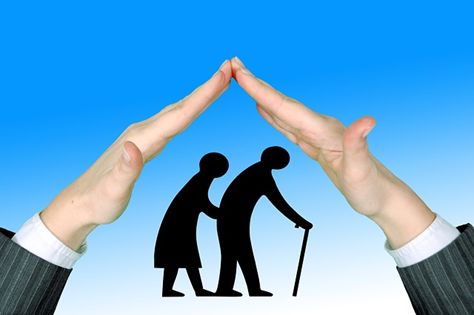


In a society where compassion and hospitality have long formed the moral fabric, the loss of kindness is more than social decline. If public life loses patience and empathy, we may continue to advance materially, but we risk becoming poorer in spirit. Societies are remembered not by how fast they moved, but by how human they remained.
Shaheem Ul Manzoor
Kindness is a simple word, yet in an age increasingly shaped by material pursuits, it seems to have lost much of its true meaning. One reason for this transformation, perhaps, is the rise of self-obsession—nurtured by constant comparison and an ever-growing culture of competition. A person who achieves success early in life often receives immediate praise, and rightly so. But not every journey begins at the same point. Some carry heavier burdens: less family support, fewer opportunities, and struggles that remain unseen. Their pace may be slower, but their effort is no less worthy. Perhaps such lives deserve more time, more understanding, and less judgment.
This raises an uncomfortable but necessary question: Has efficiency become more valuable than empathy? From offices to hospitals, from institutions to workplaces, systems increasingly prioritise speed and results over human understanding. In that process, kindness is often the first casualty. We meet people in their professional roles, but rarely pause to consider the battles they may have fought before arriving at work. A person may be carrying heartbreak, grief, family pressure, financial stress, or loneliness, yet the world measures only their output. Workplaces often assess performance, not emotional burden, and the world moves on—expecting everyone to keep pace, even when they are quietly falling apart. In the noise of modern life—its speed, pressure, and endless demands—we are gradually losing something remarkably simple, yet profoundly powerful: kindness. Too often, in the rush to move ahead, kindness is silenced before it is even expressed.
Perhaps this happens because we have grown distant from one another. Empathy becomes easy to overlook when we fail to see the human life behind the human face. Yet whenever one pauses to observe, a different reality emerges. Walking home from the office, I often witness a quiet procession of human stories. Someone rushing to a hospital, another preparing to welcome a child, someone celebrating a new beginning, while someone else carrying the unbearable weight of loss, someone returns from work with tired shoulders and silent disappointments, carrying the burden of another unfinished day, someone hurries home to children waiting for them at the door, someone stands outside a pharmacy, worried about the cost of medicines, someone steps into a shop to buy new clothes, hoping perhaps to feel new again after difficult days, someone searches for food, not for taste, but for survival, someone waits anxiously for a phone call that may change their life, while someone else walks with dreams too fragile to speak aloud. Some carry loneliness in crowded streets; others carry hope in empty pockets. And in all these passing faces, one truth becomes undeniable: every person is carrying a world within them—a world of struggles, hopes, fears, and silent battles unseen by others. Everyone is fighting a battle we may never fully understand, and it is this realisation that makes kindness not merely a virtue, but a necessity—because every person we encounter deserves to be met with a little more patience, a little more understanding, and a little more humanity.
To some, kindness may appear to be a responsibility, but to me, it is something deeper: a choice. Responsibility may fulfil duty, but it does not always carry warmth. Kindness, when chosen willingly and sincerely, comes without conditions; it is an act of the heart.
I remember a friend once telling me that kindness is often mistaken for weakness. At that time, I had no answer. But as the years passed and life taught me its difficult lessons, I came to understand something important: in today’s world, kindness is not weakness—it is strength. In harsh times, being kind demands greater courage than being indifferent. The world often teaches us that strength is shown through retaliation, resistance, or hardness toward those who hurt us. But choosing kindness in such moments requires far greater discipline.
It demands restraint, emotional strength, and the courage to rise above instinct. In an age where harshness is often mistaken for power, kindness remains one of the bravest choices a human being can make.
And to understand the practical power of kindness, one need not look at extraordinary events. Even the smallest everyday interactions reveal their impact. Consider a customer entering a small clothing shop, spending time examining options, making and remaking choices, and eventually leaving without purchasing because of uncertainty. In such moments, the shopkeeper may feel impatience or frustration, believing that the time invested should result in a sale. Even if that frustration remains unspoken, the customer often senses it. That feeling of being judged or becoming a burden creates discomfort. The next time, that same customer may choose a shopping mall instead—not necessarily because it offers better products or bigger discounts, but because it offers freedom from embarrassment. There, one can look, compare, and even leave without buying, without carrying the weight of someone’s disappointment. This small shift reveals a larger truth: kindness is not merely a moral virtue; it shapes human choices in practical life. People return not because they are pressured, but because they feel respected. Kindness builds trust, loyalty, and above all, a lasting human connection. Even in business, people often forget what they bought—but rarely forget how they were treated.
In a society like Kashmir, where the ideals of Kashmiriyat and Insaniyat have long formed the moral fabric of collective life, the fading of kindness is more than a social decline—it is an erosion of identity. Our strength has never rested merely in survival or progress, but in compassion, hospitality, and human dignity, even in the most difficult of times. If public life loses patience and empathy, we may continue to advance materially, but we risk becoming poorer in spirit. To preserve kindness, then, is not simply to preserve good behaviour; it is to preserve the very essence of who we are. In the end, societies are remembered not by how fast they moved, nor by how much they achieved, but by how human they remained.
Let us make a quiet pledge today: that whoever crosses our path, we meet them with gentleness, with a smile, and with kindness. For every human being carries within them a private battle—silent, unseen, and often beyond the understanding of others. We may never know the weight they carry, nor can we always lighten it. But through kindness, we can offer what the world often withholds: a moment of peace, a pause from pain, and a reminder that humanity still exists.
Kindness may not change the course of another’s struggle, but for a brief moment, it can make the burden of living feel less heavy. And perhaps that is reason enough to choose it—because kindness costs us nothing, yet to someone else, it may mean everything. As the old saying goes: In a world where you can be anything, be kind.
ms*********@***il.com