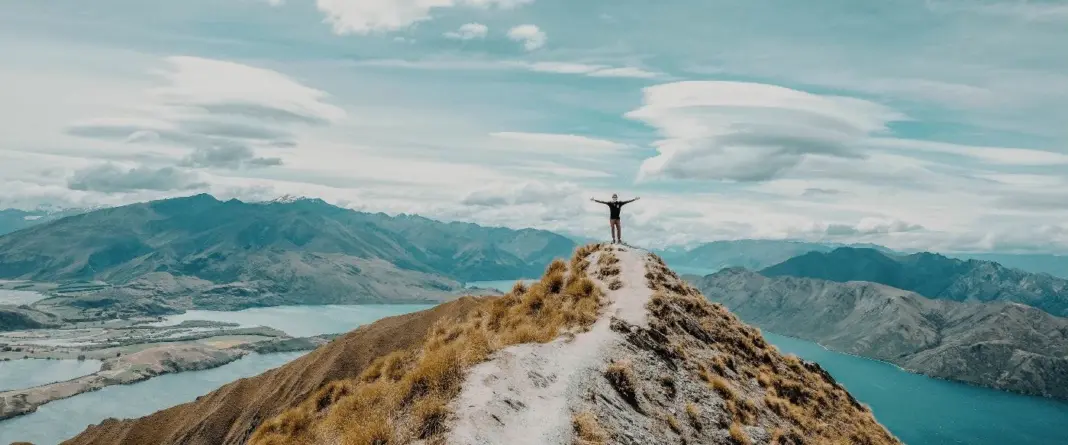


Kashmir is truly beautiful—its mornings are refreshing, its air is pure, and its landscapes are inspiring. Yet we often miss morning or evening walks due to excuses such as cold weather, busy schedules, excessive screen time, and a lack of awareness of our own health. It is time to change this mindset.
Dr Shahid Amin
Recently, I had the opportunity to visit my beautiful village, Tral, in the Kashmir Valley. Surrounded by breathtaking landscapes and fresh mountain air, I felt a natural urge to reconnect with a simple yet powerful habit—morning walks. It became something I could not afford to miss. The weather was pleasant, sometimes sunny but mostly cool and soothing, making each morning feel like a blessing. I continued this routine for many days, and each walk offered not just physical movement, but also deep reflection. I was expecting a rush of people on morning walks, but it was quite the opposite. The roads were calm, almost empty, which was surprising and concerning at the same time.
On the first day, I chose Dadsara Road. To my surprise, only a handful of people were out walking. The silence of the road, though peaceful, also hinted at a growing disengagement from such a healthy practice. The next day, I walked along Nowdal Road. The beauty of nature was captivating—lush greenery, cool breeze, and calm surroundings. However, this experience was not free from concern. There was a constant inner fear of stray dogs, which made me cautious throughout the walk.
During one of these mornings, an elderly uncle joined me. His presence brought both companionship and wisdom. He shared that fewer people come out for walks due to weather conditions, especially when it is slightly cold or cloudy. He also showed me a stick he carries regularly for protection against stray dogs. More importantly, he advised that on a narrow Nowdal road with fast-moving vehicles, one should walk on the opposite side of the road. This allows better visibility of oncoming traffic and gives a sense of control and safety. His practical approach reflected his experience and highlighted the real challenges people face.
Over the next few days, I explored Diver Road and Kahleel Road. Yet again, the number of walkers was very low. This observation deeply concerned me. At a time when newspapers are filled with alarming reports about lifestyle diseases—such as obesity, diabetes, and heart-related issues—the absence of people on morning walks is worrying. Sedentary lifestyles are becoming more common, and even a slight change in the weather seems enough to discourage people from stepping out. But can a little cloudiness truly justify neglecting our health?
This question becomes even more important when we think about the younger generation. Children learn by observing adults. If we fail to prioritise physical activity, they will follow the same path. I experienced this personally. My son once expressed disappointment that I had not taken him along for my walks. When I finally did, I noticed that he struggled to walk comfortably and lacked stamina. This is a wake-up call. Our children are gradually becoming accustomed to inactivity, gadgets, and indoor lifestyles. If this continues, it may lead to serious health issues in the future.
Therefore, the responsibility lies not only with individuals but also with families and society as a whole. People must understand that health is a daily investment. Morning walks should not be treated as an optional activity but as a necessary discipline. Simple steps can make a big difference—setting a fixed time, walking with friends or family, and gradually building consistency. The benefits of walking—improved heart health, better mental well-being, and increased energy—should be emphasised in communities. At the same time, the role of elders is crucial. They can act as role models and motivators, encouraging younger members to adopt healthier habits.
However, individual efforts alone are not enough. There is a significant role for government and policymakers in creating an environment that supports healthy lifestyles. Infrastructure and safety are key concerns. Many people hesitate to walk due to fear of stray animals, poor roads, or traffic-related risks. Addressing these issues can encourage more participation.
Firstly, the development of dedicated pedestrian pathways and walking tracks is essential. Safe, well-maintained paths can provide a comfortable environment for walkers of all ages. Secondly, better lighting can ensure safety during early morning or evening hours. Thirdly, effective management of stray dogs through humane, systematic measures can reduce residents’ fear. Additionally, establishing small parks and green spaces in towns and villages can play a transformative role. These spaces can serve as hubs where nature and fitness come together. People can walk, exercise, and spend quality time with their families in a safe and refreshing environment. The presence of police chowkis or regular patrolling can further enhance the sense of security.
While gyms and fitness centres are beneficial and increasingly popular, they cannot replace the experience of walking in nature. The fresh air, natural surroundings, and peaceful environment provide not just physical benefits but also mental relaxation and emotional well-being. Nature has its own healing power, which no indoor facility can fully replicate.
In the end, Kashmir is truly beautiful—its mornings are refreshing, its air is pure, and its landscapes are inspiring. Yet we often miss morning or evening walks due to excuses such as cold weather, busy schedules, excessive screen time, and a lack of awareness of our own health. It is time to change this mindset. Let us not wait for health problems to force us into action. Let us act now—step out, breathe the fresh air, and walk towards a healthier, happier life.
The writer is an Associate Professor, Department of Management, President Institution’s Innovation Council, ITM Gwalior and an IIMA (FDP) Alumnus. He is certified Business Consultant by AIMA.
dr*************@***il.com