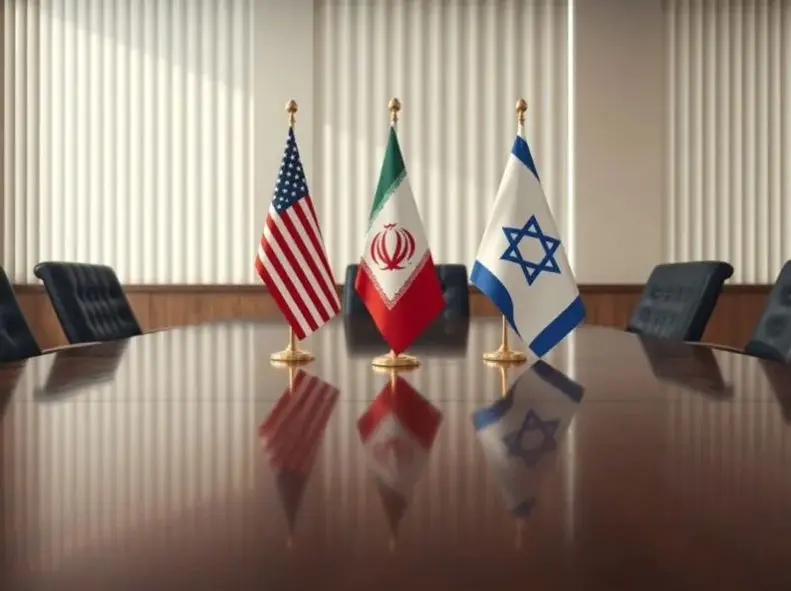


Oil prices surged. Shipping routes were disrupted. Seafarers found themselves in precarious situations. The ceasefire is not merely a diplomatic achievement but an economic necessity and a moment of global relief. Behind every statistic, there are real people whose lives are affected.
Sahil Hassan Bhat
In the complex and often turbulent landscape of global politics, moments of silence are rare. When nations as powerful and historically tense as Iran, the United States, and Israel step back from the brink of escalation and agree to a ceasefire, the impact reverberates far beyond diplomatic meeting rooms and political statements. It reaches into the everyday lives of ordinary people across continents, touching economies, industries, and individuals who may never set foot in these regions yet remain deeply affected by their stability or instability. This ceasefire is not merely a pause in military engagement; it is a moment of global relief, a fragile opportunity to restore balance in a world that has grown increasingly sensitive to disruption.
The conflict that preceded this ceasefire had begun to reshape the global narrative in ways that were both immediate and far-reaching. Markets reacted almost instantly, reflecting the fear and uncertainty that accompany war. Oil prices surged as concerns grew over potential disruptions in supply, particularly through critical maritime chokepoints such as the Strait of Hormuz. This narrow waterway, often described as the lifeline of global energy trade, became a symbol of vulnerability. The possibility of its closure or even partial disruption sent shockwaves through economies that rely heavily on stable energy supplies. For countries like India, where energy imports play a crucial role in sustaining growth and development, the implications were profound. Rising fuel costs translated into increased transportation expenses, higher production costs, and ultimately, a rise in the cost of living for millions.
The ceasefire, therefore, represents more than a diplomatic achievement; it is an economic necessity. With tensions easing, the immediate threat to oil supplies diminishes, allowing prices to stabilise. This stabilisation is not just a matter of numbers on a chart; it has real, tangible effects on people’s lives. It means that transportation becomes more affordable, that goods can be produced and delivered at lower costs, and that inflationary pressures begin to ease. For families struggling to manage daily expenses, this can make a significant difference. For businesses navigating uncertain markets, it provides a sense of predictability that is essential for planning and growth.
Beyond the realm of energy, the ceasefire has profound implications for global trade. In an interconnected world, where goods travel across oceans and continents before reaching consumers, any disruption in one region can create a ripple effect that is felt worldwide. During the conflict, shipping routes were altered, insurance premiums for maritime transport increased, and logistical challenges multiplied. Cargo ships faced delays, rerouting, and in some cases, the risk of entering conflict zones. These disruptions affected not only the movement of goods but also the stability of supply chains that underpin modern economies.
The restoration of safer maritime routes following the ceasefire marks a significant step toward normalcy. Ships can once again navigate key passages with reduced risk, allowing for the smoother flow of goods. This is particularly important for essential items such as food, medicine, and industrial components, which are critical to both daily life and economic activity. The resumption of trade does not happen overnight, but the ceasefire provides the conditions necessary for recovery. It allows businesses to rebuild disrupted supply chains, reassess risks, and move forward with renewed confidence.
Yet, amidst these discussions of economics and trade, there exists a deeply human dimension that often goes unnoticed. The individuals who operate within these systems—the workers, the labourers, the seafarers—experience the consequences of conflict in ways that are both immediate and personal. Among them, seafarers occupy a unique and often overlooked position. They are the lifeline of global trade, responsible for transporting goods across vast oceans, ensuring that supply chains remain intact. Despite their critical role, they often remain invisible, their contributions acknowledged only in times of crisis.
During the conflict, thousands of seafarers found themselves in precarious situations. Ships navigating near conflict zones, particularly around the Strait of Hormuz, faced heightened risks. The threat of attacks, the uncertainty of rapidly changing conditions, and the lack of clear communication created an environment of constant tension. For these individuals, the sea, which is already a challenging and unpredictable environment, became even more daunting. Their ships were no longer just vessels of trade; they became isolated spaces of uncertainty, where every decision carried significant risk.
The emotional toll of such conditions cannot be overstated. Seafarers spend extended periods away from their families, often months at a time. Their connection to home relies heavily on communication, which, in times of conflict, becomes increasingly difficult. Internet access, already limited on many vessels, can be disrupted by security concerns and regional instability. The inability to communicate with loved ones during moments of crisis adds a layer of psychological stress that is difficult to quantify. It is not just the fear of physical harm that weighs on them, but the silence—the absence of reassurance from home.
This experience is not entirely new. It echoes the challenges faced by seafarers during the global crisis caused by COVID-19. During the pandemic, the world witnessed an unprecedented disruption in maritime operations. Ports closed, crew changes were restricted, and seafarers were forced to remain onboard ships far beyond their contractual periods. The isolation was profound, compounded by limited access to communication and the uncertainty of when they would be able to return home. For many, the experience was both physically exhausting and emotionally draining.
The recent conflict has brought back memories of those difficult times. Once again, seafarers found themselves navigating not just the physical challenges of their profession, but also the psychological impact of isolation and uncertainty. Their experiences highlight a critical issue that often remains underrepresented in discussions of global trade and conflict—the need to prioritise the well-being of those who sustain these systems. While governments and corporations focus on economic recovery and strategic interests, the human element must not be overlooked.
The ceasefire offers a moment of relief for these individuals. It reduces the immediate risks associated with navigating conflict zones, allowing seafarers to operate in safer conditions. It also improves the likelihood of stable communication, enabling them to reconnect with their families and regain a sense of normalcy. However, this relief is temporary, and it underscores the need for long-term measures to protect and support maritime workers. This includes ensuring access to reliable communication, providing mental health support, and establishing protocols that prioritise their safety during times of crisis.
On a broader scale, the ceasefire carries significant implications for global stability. It represents an opportunity for dialogue, a chance to address underlying tensions through diplomatic means rather than military action. In a world where conflicts can escalate rapidly, even a temporary pause can create space for meaningful engagement. It allows nations to reassess their positions, explore avenues for cooperation, and work toward solutions that prioritise stability and peace.
The importance of such opportunities cannot be overstated. In recent years, the global landscape has become increasingly complex, with multiple regions experiencing tension and conflict. The interconnected nature of the modern world means that these conflicts are not isolated; they have far-reaching consequences that affect economies, societies, and individuals across the globe. The ceasefire, therefore, is not just about the nations directly involved; it is about the broader international community and its collective interest in maintaining stability.
Economically, the benefits of the ceasefire extend beyond immediate relief. Stabilised energy markets contribute to lower production and transportation costs, which in turn support economic growth. Businesses can operate with greater confidence, investments can flow more freely, and markets can recover from the uncertainty of conflict. For developing economies, which are often more vulnerable to external shocks, this stability is particularly important. It provides a foundation for growth, enabling them to address internal challenges without the added burden of global instability.
Socially, the ceasefire offers a sense of reassurance in a world that has become accustomed to uncertainty. It serves as a reminder that despite differences and tensions, there is still the possibility of cooperation and resolution. This sense of hope, while intangible, plays a crucial role in shaping public perception and confidence. It influences how individuals and communities respond to challenges, fostering a sense of resilience and optimism.
However, it is important to recognise that a ceasefire is not a permanent solution. It is a pause, a moment of reflection that must be followed by sustained effort to address the root causes of conflict. Without such efforts, the risk of renewed tensions remains. The challenge lies in transforming this temporary calm into a lasting peace, one that is built on understanding, cooperation, and mutual respect.
For the global trade system, this means investing in resilience. It involves developing supply chains that can withstand disruptions, diversifying routes and sources, and enhancing infrastructure to support efficient and reliable transportation. For the maritime industry, it means prioritising the safety and well-being of seafarers, recognising their contributions, and ensuring that they are supported during times of crisis. For the international community, it means fostering a culture of dialogue and cooperation, where conflicts are addressed through negotiation rather than force.
As the world moves forward from this moment of pause, it is essential to reflect on the lessons it offers. It highlights the interconnectedness of nations and the shared responsibility of maintaining stability. It underscores the importance of looking beyond immediate interests and considering the broader impact of actions. It reminds us that peace is not just an ideal, but a necessity—one that underpins economic growth, social stability, and human well-being.
Among all the outcomes of this ceasefire, perhaps the most significant is the opportunity it provides for humanity to reaffirm its priorities. In a world often driven by power and competition, moments of peace offer a chance to focus on what truly matters—the well-being of individuals, the stability of communities, and the sustainability of systems that support life. It is a reminder that behind every statistic, every market movement, and every political decision, there are real people whose lives are affected.
For seafarers, this moment carries a particular significance. It represents not just a reduction in risk, but a recognition of their role in sustaining global trade. It highlights the need to ensure that their contributions are valued and their well-being prioritised. As they continue to navigate the world’s oceans, carrying goods that connect nations and support economies, their experiences serve as a powerful reminder of the human dimension of global systems.
In their journeys, there is a quiet resilience—a determination to continue despite challenges, to adapt to changing circumstances, and to fulfil their responsibilities even in the face of uncertainty. Their stories, often untold, are a testament to the strength of the human spirit and the importance of solidarity in times of crisis. Ultimately, the ceasefire between Iran, the United States, and Israel is a moment of possibility. It is an opportunity to move from conflict toward cooperation, from uncertainty toward stability, and from isolation toward connection. It is a reminder that while the world may face challenges, it also possesses the capacity to overcome them through dialogue, understanding, and collective effort.
As the waves of conflict begin to calm and the rhythms of trade and life gradually return, the significance of this moment becomes clear. It is not just about what has been paused, but about what can be built in its place. It is about creating a future where peace is not temporary, but enduring; where stability is not fragile, but resilient; and where the well-being of individuals is at the centre of global priorities.
In choosing peace, even for a moment, the world takes a step toward a better future. And in that step lies the hope that this pause will not just be remembered as a break in conflict, but as the beginning of something greater—a commitment to a world where humanity, in all its diversity and complexity, can thrive together.
The writer is a maritime professional who brings attention to the unseen realities of life at sea. With a deep interest in the maritime world, he aims to highlight the emotional, psychological, and physical challenges faced by seafarers across the globe.
er*********@***il.com