

For years, they’ve fixed power, water and roads in freezing nights. Many have died on duty; their service remains taken for granted.
Showkat Kabir
When heavy snowfall brings life to a standstill, when electricity lines snap, water supply collapses, and roads vanish under layers of snow, a familiar group quietly steps in. Without announcements or attention, daily wagers and need-based employees across government departments take charge.
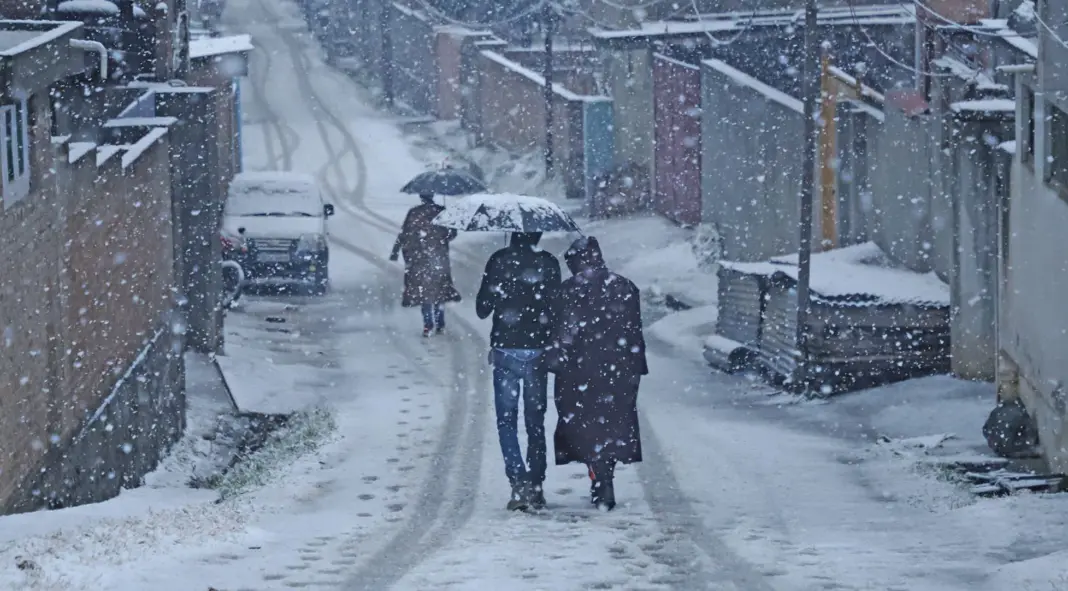
The snowfall of 2026 was no different. The power cuts affected towns and villages, pipelines froze, and roads became impassable. It was these workers who laboured through freezing nights and bitter days to restore essential services. Electricity was brought back, water supply resumed, and roads reopened—not by chance, but through sustained effort in extremely harsh conditions.
These workers are not newcomers to the system. Many have served in departments such as JKPDCL, Jal Shakti (formerly PHE), R&B and municipal services for years, some for decades. They are educated, skilled, trained through experience, familiar with every fault line, valve and vulnerable stretch of road. In moments of urgency, they are often the first to be called and the first to reach the ground.
Over time, their contribution has come to be taken for granted. They climb electric poles in rain and snow, repair water supply lines late into the night, clear roads before dawn and keep essential services running during emergencies. Many have suffered serious injuries while on duty, and some have lost their lives. In several cases, they were the sole earning members of their families—the only son, the only source of income—leaving behind families devastated emotionally and financially. While their absence is felt immediately, their presence is seldom acknowledged.
What makes their story remarkable is its continuity. Governments change. Policies are announced. Committees are formed. Years pass. Yet the work remains the same—unchanged in nature, unchanged in risk—while the status of those performing it remains unresolved.
There is no visible bitterness in this reality, only endurance. Despite uncertainty over wages, service benefits and long-term security, many continue to work with commitment and professionalism. Their sense of duty has outlasted the assurances they have heard over the years.
Kashmir’s winters are unforgiving. They quickly expose weaknesses in infrastructure and preparedness, but they also reveal resilience. This year, as in years before, that resilience once again had familiar faces—workers in reflective jackets, on frozen electric poles, and on snow-covered roads—doing the work that allows life to return to normal.
History often records decisions, not those who carry them out. Kashmir’s daily wagers, meanwhile, continue to leave behind a quieter record—written in restored services, risks taken and sacrifices made, one snowfall, one repair and one night shift at a time.
The writer is a teacher
sh*********@***il.com