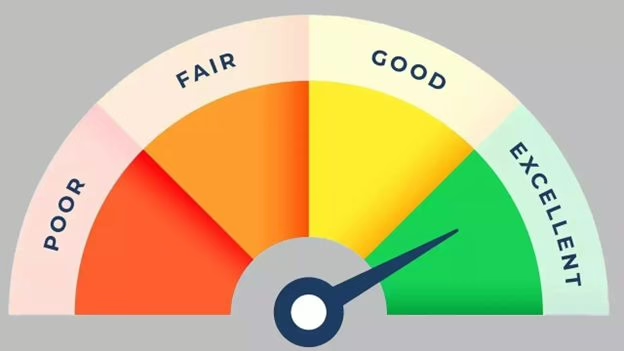


When you opt for a loan or any credit facility, the lender evaluates your creditworthiness based on your credit score, popularly known as the CIBIL score. It is a three-digit numerical representation of how you have managed loans and credit cards in past. The score ranges between 300 and 900. The higher the score, the better it is.
Knowing where an individual stands can inform sound financial decision-making. A good CIBIL score applicant is preferred because it indicates credit behaviour.
How to Check CIBIL Score
Applicants can check their CIBIL score online. It is advisable to review this score periodically to avoid surprises when applying for a loan. Checking the score involves visiting the CIBIL website or other authorised platforms. One needs to enter their personal information such as PAN card number, name, and contact details. Once entered, identity verification is conducted through an OTP. Post-verification, the CIBIL score report is created online.
Monitoring the score assists in the detection of any discrepancies or errors. Prompt correction can avoid complications during loan processing.
Key Factors Affecting a Good CIBIL Score
Having a good CIBIL score involves knowing the determinants of the score. The following factors are important:
1. Timely Repayments
Regular payment of EMIs and credit card dues on time enhances the score. Delayed payments or failed payments indicate poor repayment habits and decrease the score.
2. Credit Utilisation Ratio
Having a very high credit limit usage rate can work against the score. Keeping below 30% of the available limit is preferable to demonstrate credit management.
3. Credit History Length
A long credit history with a good payment track record helps improve the CIBIL score. Candidates with newly opened accounts will likely have a lower score since they don’t have an established payment track record.
4. Multiple Loan Applications
Requesting multiple loans over a short period may indicate financial hardship to the lender. Each application has a hard inquiry that slightly lowers the score. Reducing the number of loan applications will avoid this fall.
5. Credit Mix
A balanced combination of secured and unsecured loans indicates prudent borrowing. A portfolio consisting only of unsecured loans, e.g., credit cards, can decrease the score. A combination of products like home loans and personal loans makes for a well-balanced credit profile.
6. Outstanding Debts
Overdue loans and high balances on credit cards can decrease the score. Paying off debts and maintaining low balances on credit cards can raise the score by a considerable margin.
How to Improve CIBIL Score
Improving a low or average CIBIL score is achievable with consistent financial discipline. These steps can help:
1. Pay EMIs and Bills on Time
Late payments harm the score. Setting up auto-debits or reminders can ensure timely repayments.
2. Lower Credit Card Usage
Avoid using the entire credit limit. Keeping usage under 30 per cent can improve the score. Paying off credit card bills in full instead of making minimum payments is also beneficial.
3. Limit Loan Applications
Each loan application triggers a hard inquiry that lowers the score slightly. Avoid applying for multiple loans simultaneously.
4. Review Credit Report Regularly
Mistakes in the credit report can affect the score. Regularly reviewing the report and raising disputes for inaccuracies ensures the score reflects accurate data.
5. Maintain Old Accounts
Closing old credit accounts can shorten the credit history and lower the score. Keeping older accounts active can strengthen the score.
6. Diversify Credit
Having both secured and unsecured credit types reflects a responsible borrowing pattern. Maintaining a mix of home loans, personal loans, and credit cards is ideal.
Why a Good CIBIL Score is Important
A good CIBIL score has several advantages when applying for loans. It increases the chances of securing loans quickly, often leading to faster approvals. Lenders prefer applicants with scores above 750 as they are considered low-risk borrowers.
Borrowers with high scores often receive loans with competitive interest rates. Lenders are more willing to offer lower interest rates to applicants with good credit behaviour. A good score also increases the likelihood of securing a higher loan amount. Lenders may offer better repayment terms and flexible tenures to individuals with a strong credit profile.
Tips to Maintain a Good CIBIL Score
Some of the tips to maintain a good CIBIL score are:
– Set up auto-debits or payment reminders to ensure timely EMI and bill payments.
– Avoid using more than 30% of the credit card limit.
– Monitor all loans and credit card accounts to prevent missed payments.
– Check the credit report regularly to detect errors.
– Avoid applying for multiple loans in a short time.
– Keep older accounts open to maintain a long credit history.
Common Misconceptions About CIBIL Score
The following are common misconceptions about the CIBIL score:
1. Checking the Score Lowers It
Checking a credit score through a soft inquiry does not lower the score. Only lender-initiated hard inquiries affect it.
2. Zero Credit History is Good
Lenders prefer applicants with a credit history. A lack of credit history makes it difficult for lenders to assess creditworthiness.
3. High Income Equals High Score
Income level does not directly affect the score. The score is based on credit behaviour, not earnings.
Credit History and Its Role
Your previous credit behaviour plays an essential role in determining a good CIBIL score. It reflects an individual’s borrowing and repayment patterns over time. A long and positive credit history demonstrates responsible financial habits and builds lender confidence.
A borrower with timely repayments, low credit utilisation, and a balanced credit mix will likely have a positive credit history. Conversely, defaults, frequent late payments, and excessive credit use negatively affect the history.
Conclusion
Maintaining a good CIBIL score is essential for securing loans from financial institutions. Borrowers who understand how to improve CIBIL scores can manage their finances better and enjoy benefits like quick approvals and competitive interest rates. Checking the score regularly and addressing any concerns promptly allows applicants to maintain a healthy credit profile.
Disclaimer: The information provided in this blog post is intended for informational purposes only. The content is based on research and opinions available at the time of writing. While we strive to ensure accuracy, we do not claim to be exhaustive or definitive. Readers are advised to independently verify any details mentioned here, such as specifications, features, and availability, before making any decisions. Hero FinCorp does not take responsibility for any discrepancies, inaccuracies, or changes that may occur after the publication of this blog. The choice to rely on the information presented herein is at the reader’s discretion, and we recommend consulting official sources and experts for the most up-to-date and accurate information about the featured products.