

Understanding the ecological, economic and cultural importance of wildlife and the measures needed for their survival
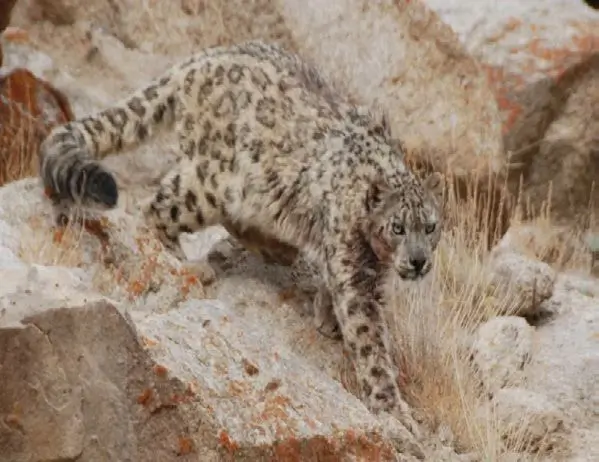
Wildlife refers to undomesticated animals and uncultivated plants that exist in their natural habitats. It encompasses a broad range of living things, including animals, plants, fungi, and even microorganisms, that thrive in their natural environments. While traditionally focused on animals, the term now includes a wider range of living organisms. It represents the natural world of living things that exist independently of human domestication. It can be found in diverse ecosystems, from deserts and forests to grasslands and even urban areas. While Wildlife is very beneficial to humankind and essential for maintaining ecological balance, human activities significantly impact wildlife, even in remote areas. We need to conserve it to maintain genetic diversity and future generations.
Wildlife plays a crucial role in maintaining the health and balance of our planet’s ecosystems. It contributes to crucial ecological processes like pollination, seed dispersal, and nutrient cycling. Predators regulate prey populations, preventing overgrazing and maintaining ecosystem stability.
A diverse range of wildlife ensures a resilient ecosystem, capable of withstanding environmental changes. Each species plays a unique role in the food web, and the loss of one can have cascading effects. Animal waste enriches the soil, providing essential nutrients for plant growth. Wildlife movement helps aerate and distribute nutrients throughout the environment.
Wildlife tourism generates significant revenue, supporting local economies and conservation efforts. National parks and wildlife reserves attract visitors from around the world.
Wildlife provides resources like food, medicine, and raw materials. Many communities rely on wildlife for their livelihoods. Many wild animals help to control pest populations that could damage crops.
Wildlife provides valuable insights into biology, ecology, and evolution. Studying animal behaviour and physiology can lead to medical and technological advancements.
Wildlife holds cultural and spiritual significance for many communities around the world. Animals often feature in folklore, art, and religious traditions.
Wildlife is essential for the health of our planet and the well-being of humanity. Protecting wildlife is crucial for maintaining ecological balance, supporting economies, and preserving cultural heritage.
It’s important to understand that the health of wildlife populations is a direct reflection of the health of our planet. When wildlife populations are thriving, it’s a sign that ecosystems are functioning properly.
Measures have been taken both at the national and international levels for the protection and conservation of wildlife. The Wildlife Protection Act of 1972 is the cornerstone of wildlife conservation in India, providing a legal framework for protecting wild animals, plants, and their habitats. It prohibits hunting, poaching, and illegal trade. The Indian Forest Act, 1927 regulates forest management and timber extraction, contributing to habitat protection. The establishment of National Parks, Wildlife Sanctuaries, Conservation Reserves, and Community Reserves provide safe havens for wildlife, protecting them from human encroachment and exploitation. Species-Specific Projects, such as Project Tiger, Project Elephant, and Project Dolphin are dedicated to conserving the endangered tiger population; focused on protecting elephants and their habitats; and for the protection of the nation’s aquatic animal, the Dolphin.
The Wildlife Crime Control Bureau (WCCB) combats illegal wildlife trade, poaching, and other wildlife crimes. The government issues Standard Operating Procedures (SOPs) to manage conflicts between humans and animals like tigers, leopards, and elephants.
The Indian government provides financial assistance to state and union territory governments through centrally sponsored schemes like the ‘Integrated Development of Wildlife Habitats’.
At the global level, the Convention on International Trade in Endangered Species of Wild Fauna and Flora (CITES), regulates international trade in endangered species, ensuring that trade does not threaten their survival. Convention on Biological Diversity (CBD) promotes the conservation and sustainable use of biodiversity.
Convention on the Conservation of Migratory Species of Wild Animals (CMS) aims to conserve migratory species throughout their range. The International Union for Conservation of Nature (IUCN) assesses the conservation status of species and provides information and guidance on conservation. World Wildlife Fund (WWF) works to conserve wildlife and reduce the impact of human activity on the environment.
It’s crucial to take comprehensive measures for the protection and conservation of wildlife. Protect existing habitats by establishing and enforcing laws to prevent deforestation, wetland destruction, and other forms of habitat loss. Create and expand protected areas like national parks, wildlife sanctuaries, and reserves. Restore degraded habitats by reforestation and afforestation efforts and by wetland restoration projects. Remove invasive species that disrupt native ecosystems.
Promote sustainable agriculture and forestry practices. Reduce the use of harmful pesticides and chemicals. Implement land-use planning that minimizes habitat fragmentation. Combat Poaching and Illegal Wildlife Trade by strengthening law enforcement. Increase patrols and monitoring in protected areas. Improve international cooperation to combat wildlife trafficking. Enact stricter penalties for poaching and illegal trade. Raise public awareness about the consequences of buying illegal wildlife products. Work with communities to provide alternative livelihoods that don’t rely on poaching.
Address climate change by reducing greenhouse gas emissions. Support policies and initiatives that promote renewable energy and reduce carbon emissions. Develop strategies to help wildlife adapt to changing environmental conditions. Create wildlife corridors to allow animals to move to suitable habitats.
Promote public awareness and education by educating the public about the importance of wildlife conservation. Promote responsible tourism that supports wildlife protection.
Involve local communities in conservation efforts. Provide economic incentives for communities to protect wildlife. Conduct research by studying wildlife populations and their habitats to understand their needs. Monitor the impacts of human activities on wildlife. Employ technologies like GPS tracking, camera traps, and remote sensing to monitor wildlife populations.
By implementing these measures, we can help ensure the survival of wildlife for maintaining genetic diversity and future generations.
The writer is a teacher at Higher Secondary School, Nehalpora, Pattan
Kousar Ahmed Rather
ko************@***il.com