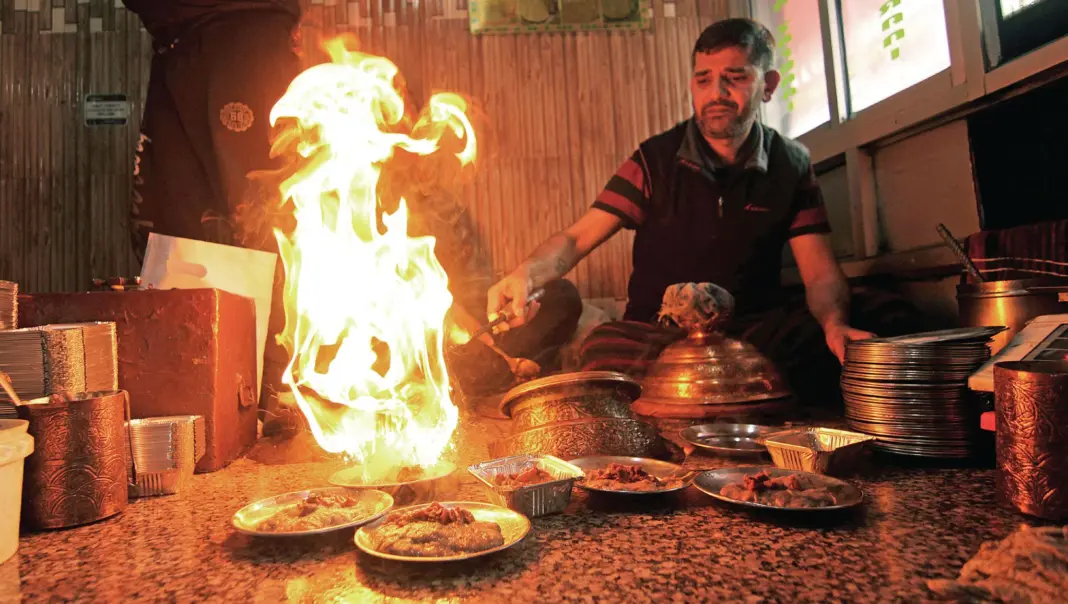
For centuries, the winter magic in Kashmir has captured the hearts of visitors and locals alike. However, as time passes, the traditional ways of life in Kashmir, once so intimately connected to the seasons, have begun to change.
In the past, the winter in Kashmir was more than just a season; it was a time for families to bond, share stories, and indulge in simple joys. The joint family system was at the heart of this lifestyle. Grandparents would gather their children and grandchildren around the warmth of the hearth, recounting ancient tales and folklore to pass the time. The air was filled with laughter and wisdom, and the winter evenings seemed to stretch endlessly, marked by the rhythmic sound of looms weaving intricate paddy grass carpets and the crafting of warm garments from sheep wool.
Days would often be spent in the cosy corners of masjids and hamams (public baths), where the warmth of the water and the camaraderie of fellow Kashmiris created a unique sense of community. The traditional fire, or “firace,” would always be burning, providing both warmth and a source of light. This fire was fueled by “lash,” a type of wood that emitted a comforting glow, and as time went on, the iconic “lalteen” (oil lamp) and “choong” (small, portable stoves) became a staple of Kashmiri homes, keeping families warm through the harsh winters.
However, perhaps the most enduring symbol of Kashmir’s winter is the “kangri.” This small, traditional fire pot, which is carried close to the body to ward off the biting cold, has been an inseparable companion to Kashmiris for centuries. The kangri, made of a woven bamboo basket filled with burning embers, symbolizes the warmth, resilience, and adaptability of the people of Kashmir. Even in the face of modernity, the love for the kangri remains steadfast, a link to the past that has weathered the passage of time.
Yet, as the world around Kashmir has evolved, so too has the way of life in the valley. With the rise of modern technology, people have become increasingly reliant on ready-made solutions, often losing touch with the simple, authentic pleasures that once defined Kashmiri winters. The joint family system, once so integral to the culture, is slowly giving way to smaller, more fragmented households. The art of making paddy grass carpets and woollen clothes is fading, as machine-made products take their place. The vibrant community life once centred around the masjid and hamam is now less common, replaced by the convenience of private heating and modern entertainment.
The transformation of Kashmir’s winter life reflects a larger shift in the region’s culture, where the pace of life has quickened and the old ways are being forgotten. The once-cherished traditions of togetherness, craftsmanship, and self-reliance are being replaced by a more individualistic and consumer-driven lifestyle. While modern conveniences certainly offer comfort, they have also led to the erosion of the deep emotional connection Kashmiris once had with their environment and traditions.
Despite this, the essence of Kashmir’s winter beauty remains. The snow-covered mountains, the tranquil valleys, and the eternal warmth of the kangri continue to define the spirit of the land. The challenge, however, lies in preserving the timeless traditions that have shaped the valley’s identity, even as the march of modernity continues to reshape its landscape.
In the end, while the cold winter winds may change the way of life in Kashmir, the love for its beauty, its warmth, and its traditions remains a constant. Kashmiris, old and new, may find new ways to embrace these traditions in the modern age, ensuring that the eternal charm of a Kashmir winter never fades.
The writer is a law student
By Shahid Ul Islam
ad**************@***il.com
Kashmir’s Winter: A Tale Of Tradition, Warmth And Change