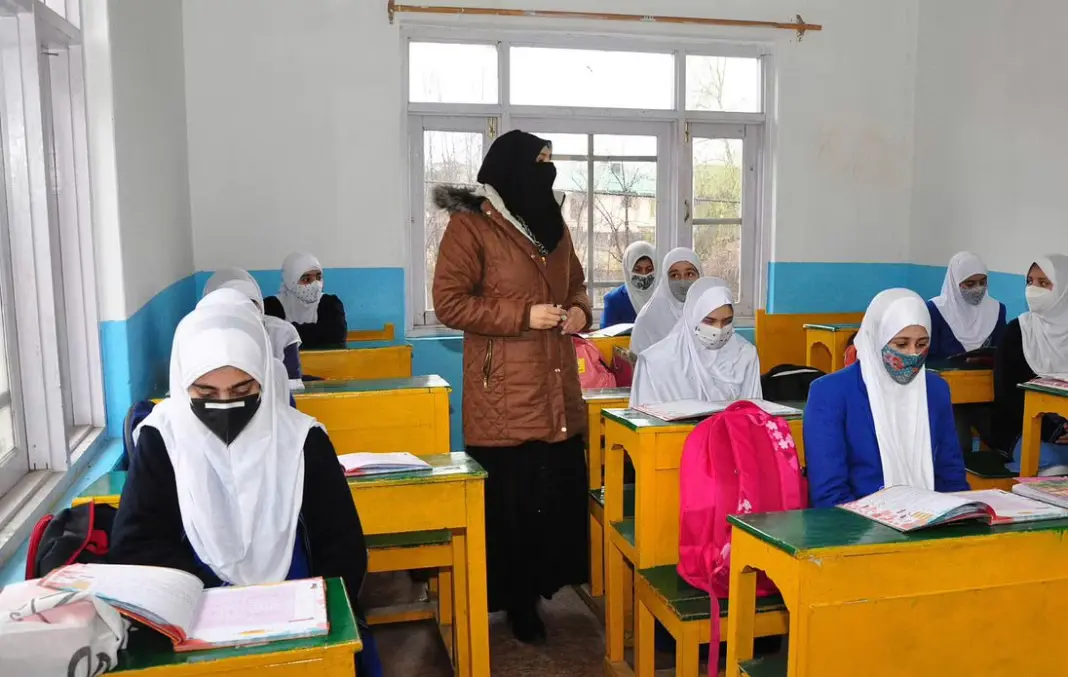


Implementing effective strategies is crucial for fostering a supportive learning environment and enhancing student behaviour.
The student-teacher relationship has long been considered one of the most important aspects of the educational experience. It is a bond that shapes not only the academic success of students but also their emotional and social development. However, in recent years, educators and parents alike have observed a noticeable decline in the quality of student-teacher relationships and a deterioration in student behaviour. This trend raises significant concerns about the future of education and the well-being of students. Understanding the causes of this decline, its consequences, and potential solutions is essential for fostering a more positive and effective educational environment.
Several factors contribute to the decline in student-teacher relationships and behaviour. These include changes in societal values, the influence of technology, increased academic pressures, and evolving family dynamics. Over the past few decades, there has been a shift in societal values, particularly concerning authority figures. In many cultures, teachers were once regarded with the utmost respect, and their authority was seldom questioned. However, modern society often emphasizes individualism and scepticism towards traditional authority figures. This shift has led to a decrease in the automatic respect once accorded to teachers, affecting the student-teacher dynamic. When students view teachers less as mentors and more as mere facilitators, the depth of the relationship suffers.
The rise of technology, particularly social media and instant communication, has drastically altered the way students interact with the world, including their teachers. While technology offers numerous educational benefits, it also creates challenges in maintaining strong student-teacher relationships. Students are often more engaged with their devices than with their teachers, leading to decreased face-to-face interaction and communication. Additionally, the anonymity of online communication can foster disrespectful behaviour, which may spill over into the classroom. The pressure to perform academically has never been higher. Students face mounting expectations from parents, teachers, and society to excel in standardized tests, secure high grades, and gain admission to prestigious universities. This pressure can strain the student-teacher relationship, as students may view teachers more as taskmasters than as guides. The focus on grades and outcomes can overshadow the importance of building a supportive and nurturing relationship, leading to increased stress and anxiety among students.
Changes in family structures and dynamics also play a role in the decline of student-teacher relationships. With more parents working long hours or multiple jobs, there is often less time for them to engage with their children’s education. This can result in a lack of reinforcement at home regarding the importance of respecting and valuing teachers. The decline in student-teacher relationships and behaviour has far-reaching consequences for both students and the educational system as a whole. These consequences manifest in academic performance, social development, and the overall school climate.
Reversing the decline in student-teacher relationships and behaviour requires a multifaceted approach that involves educators, parents, students, and the broader community. Several strategies can be implemented to rebuild these relationships and improve student behaviour. Schools should prioritize teaching respect and empathy as core values. This can be done through character education programs, social-emotional learning initiatives, and restorative practices that emphasize the importance of understanding and valuing others.
Encouraging students to see their teachers as individuals with their own experiences and challenges can help build mutual respect and strengthen the relationship. To combat the isolating effects of technology, schools can create more opportunities for meaningful face-to-face interaction between students and teachers. This could include regular one-on-one meetings, group discussions, and collaborative projects that require students and teachers to work closely together. While academic success is important, it should not come at the expense of the student-teacher relationship. Schools can work to reduce the excessive pressure on students by promoting a more holistic approach to education that values personal growth and well-being alongside academic achievement. This might involve revising assessment methods to focus more on individual progress and less on standardized testing, as well as providing support for students struggling with stress and anxiety.
Building strong student-teacher relationships is not solely the responsibility of schools; parents and the community also play a critical role. Schools can engage parents through regular communication, parent-teacher conferences, and community events that foster collaboration and mutual understanding. When parents and teachers work together to support students, it creates a more cohesive and supportive environment that benefits everyone involved. Teachers need ongoing professional development to equip them with the skills and strategies necessary to build and maintain positive relationships with their students. This could include training in classroom management, conflict resolution, and culturally responsive teaching practices. Providing teachers with the tools and support they need to navigate the challenges of the modern classroom can help restore the student-teacher relationship and improve the overall school climate.
The decline in student-teacher relationships and behaviour is a complex issue with significant implications for the future of education. However, by understanding the causes of this decline and taking proactive steps to address them, it is possible to rebuild these relationships and create a more positive and effective learning environment.
The writer is a faculty member at the Department of Zoology, Government Degree College Surankote
By Dr Khursheed Ahamd Dar
kh****************@***il.com