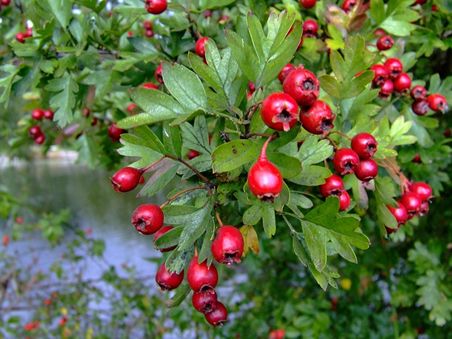


Locally known as Ring Kul in Kashmir, the plant is renowned for its myriad medicinal benefits, ranging from cardiovascular health to digestive wellness
Kashmir Valley, known for its picturesque landscapes and rich biodiversity, hides a gem within its lush forests – the Hawthorn, scientifically known as Crataegus songarica. This unassuming plant, often overlooked, boasts a fascinating ecology, medicinal benefits and intricate phytochemistry that have been revered for centuries.
Ecology of Hawthorn in Kashmir
In the heart of Kashmir Valley, Hawthorn trees thrive in diverse ecosystems. From the lower altitudes to the high mountain ranges, these hardy plants adapt to a variety of soil types and climatic conditions. Their resilience makes them an integral part of the region’s flora, providing crucial habitats for local wildlife. Hawthorn trees, with their dense foliage and thorny branches, offer shelter and sustenance to numerous bird species. The vibrant red berries, characteristic of Hawthorn, serve as a vital food source for migratory and resident birds, ensuring a harmonious ecological balance.
Medicinal Marvels
Beyond its ecological significance, Hawthorn has been an indispensable component of traditional Kashmiri medicine for generations. The plant is renowned for its myriad medicinal benefits, ranging from cardiovascular health to digestive wellness.
1. Heart Health: Hawthorn is a natural tonic for the heart. Its berries contain compounds that enhance blood circulation, lower blood pressure and strengthen the heart muscle. In a region where heart ailments are prevalent, Hawthorn may emerge as a natural remedy.
2. Digestive Aid: The leaves and flowers of the Hawthorn tree possess digestive properties. Infusions made from these parts have been traditionally used to alleviate digestive disorders, making it a staple in Kashmiri households.
3. Stress and Anxiety Relief: Hawthorn is known for its calming effects. In the form of teas or tinctures, it helps reduce stress and anxiety, promoting mental well-being in an increasingly fast-paced world.
4. Lower Cholesterol: Hawthorn may have a mild cholesterol-lowering effect, contributing to overall heart health.
5. Antioxidant Properties: The plant is rich in antioxidants, which can help neutralize harmful free radicals in the body, potentially reducing the risk of chronic diseases.
6. Digestive Aid: Hawthorn has been used to aid digestion and relieve gastrointestinal issues.
7. Mild Sedative: Some herbalists use hawthorn as a mild sedative to reduce anxiety and promote relaxation.
The Intricate World of Phytochemistry
Delving into the science behind Hawthorn’s healing properties reveals a complex world of phytochemical compounds. Flavonoids, triterpenes, and phenolic acids are among the many bioactive substances found in various parts of the plant.
1. Flavonoids: These powerful antioxidants present in Hawthorn berries help neutralize harmful free radicals in the body. By doing so, they protect cells from oxidative stress, reducing the risk of chronic diseases.
2. Triterpenes: These compounds are known for their anti-inflammatory and anti-cancer properties. In Hawthorn, triterpenes contribute to the plant’s ability to combat inflammation and support overall health.
3. Phenolic Acids: These acids play a crucial role in Hawthorn’s cardiovascular benefits. They help dilate blood vessels, improve blood flow, and regulate blood pressure, making Hawthorn a natural ally for heart health.
The synergy of these compounds not only makes Hawthorn a potent medicinal plant but also an intriguing subject of scientific research, drawing the attention of researchers and herbal medicine enthusiasts alike.
Conclusion
Hawthorn stands as a testament to the intricate relationship between nature and human well-being. As we uncover more about its ecology, medicinal benefits and phytochemistry, let us also embrace the responsibility to protect and nurture this invaluable gift from Kashmir’s rich natural heritage. As the vibrant red berries of Hawthorn adorn the Kashmiri landscape, they symbolize not only the beauty of nature but also the untold healing wonders that lie within, waiting to be explored and cherished.
The writer is pursuing a Ph.D. in Forestry at the Faculty of Forestry, SKUAST-K. He can be reached at ja************@***il.com